-
Gangaur Teej Vrat Rituals: A Complete Sacred Guide to Gauri-Shiva Worship

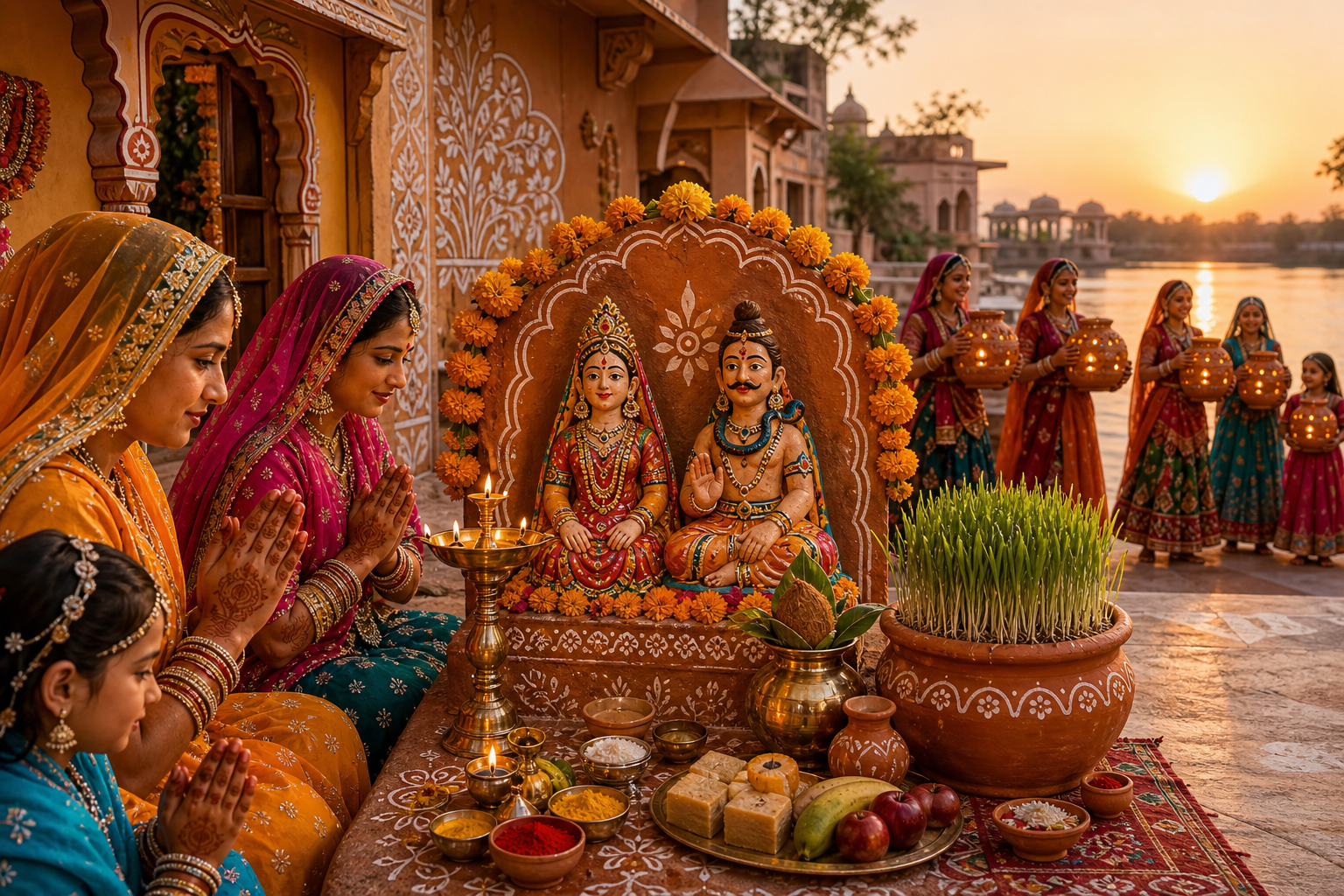
Gangaur Teej Vrat is a sacred observance dedicated to Goddess Gauri and Lord Shiva, traditionally performed after Holi and culminating around Chaitra Shukla Tritiya. The vrat includes fasting, daily worship, sowing and watering wheat or barley seeds, decorating clay or wooden images, singing traditional songs, and participating in community rituals. Married women pray for the…
-
Soubhagya Gauri Vratam Vidhanam: Precise Puja Steps, Auspicious Timings, Meanings, and Benefits

Soubhagya Gauri Vratam (Sowbhagya Gouri Vratham) is a widely observed vrata dedicated to Devi Gauri for sowbhāgya, family well-being, and inner steadiness, with many traditions highlighting a principal date in the Chaitra Month. This academically structured guide explains the complete vidhanamfrom muhurta selection via the Panchang to altar setup, kalasha-sthapana, Pasupu Gauri preparation, and either…
-
Soubhagya Gauri Vratam 2026 (Gangaur): Date, Puja Vidhi, Chaitra Tritiya Significance & Traditions

Soubhagya Gauri Vratam (Gangaur) falls on Chaitra Shukla Tritiya, and in 2026 it is observed on 21 March. The vrata is dedicated to Devi as Gauri (Pārvatī) and is undertaken for saubhāgya: marital harmony, familial well-being, and prosperity. This comprehensive guide explains the tithi basis in the Hindu calendar, clarifies regional names and practices, and…
-
Manikarnika: Sacred Symbolism of Parvati’s Meditative Devotion and the Shiva–Shakti Union

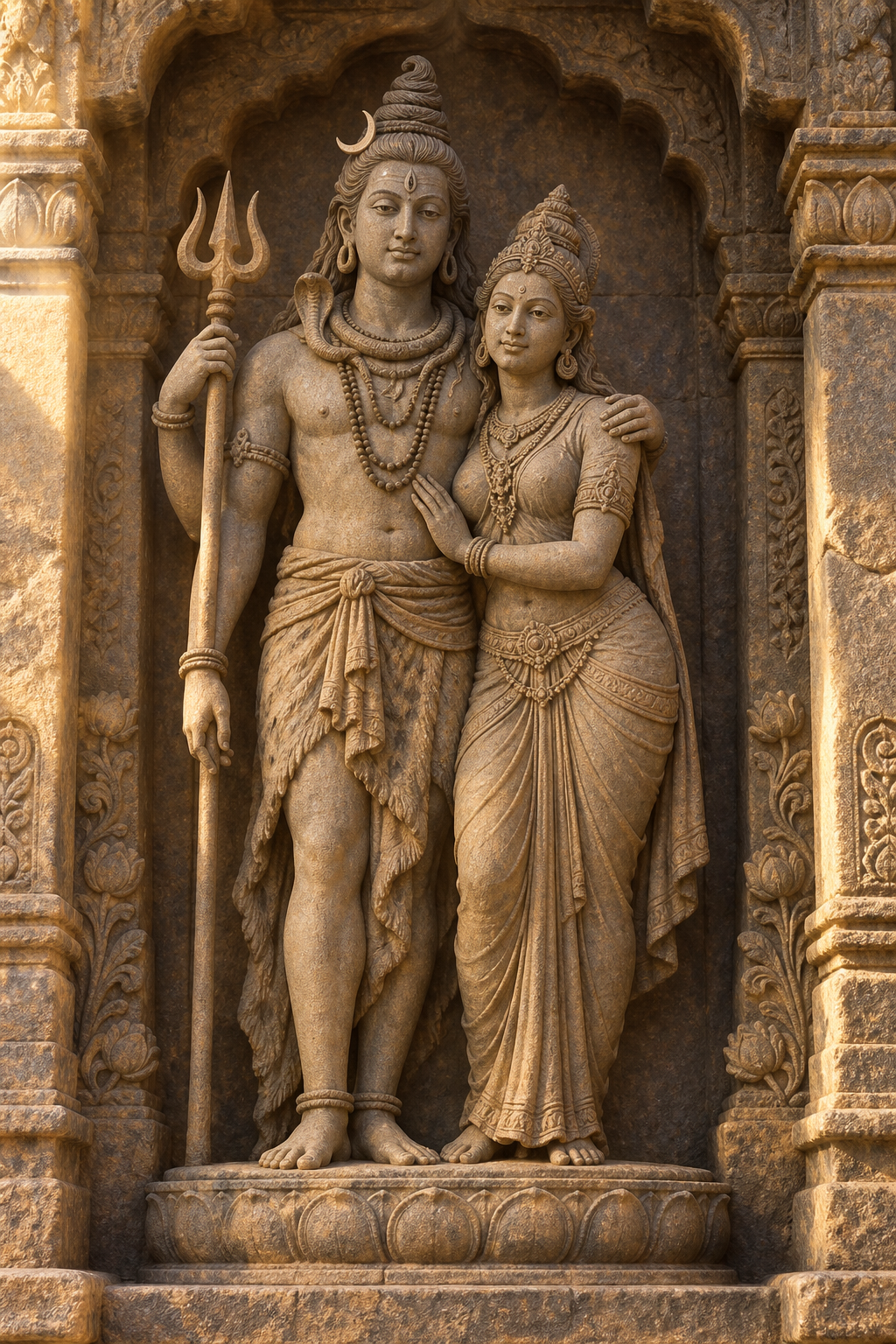
Manikarnika presents Goddess Parvati in her meditative, devotional form, revealing how Bhakti, Dhyana, and Tapas interweave in Shaiva–Shakta symbolism. Rooted in Kashi’s sacred landscape and reflected in the Skanda Purana’s Kashi Khanda, this vision situates the Goddess as both Shakti and the supreme devotee of Shiva. The article explores etymology, sacred geography, and iconography, then…
-
Shiva–Parvati Kalyanam on Maha Shivaratri: Ritual Steps, Timings, and Sacred Symbolism

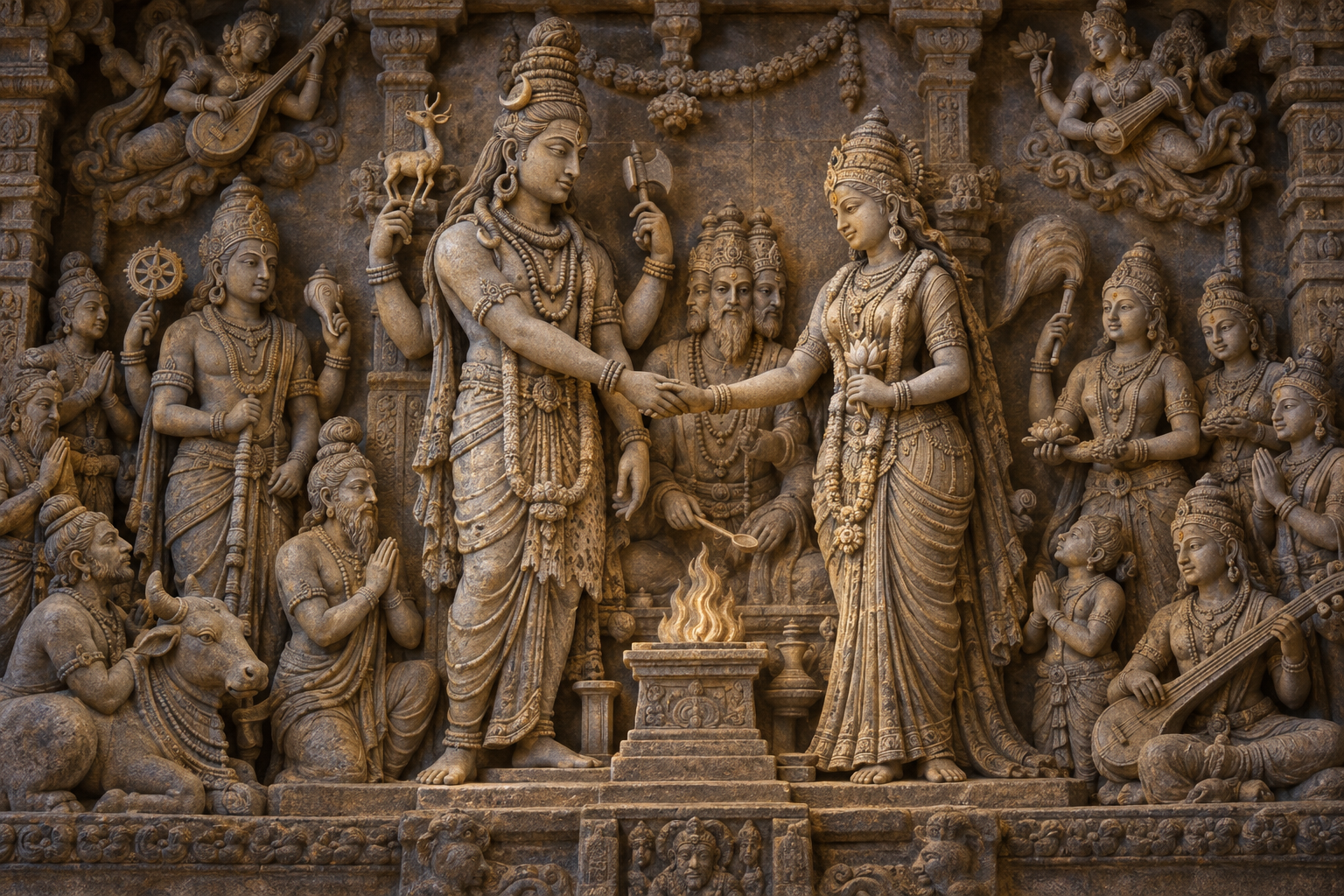
Shiva Parvati Kalyanamritually enacted around Maha Shivaratricelebrates the sacred marriage of Shiva and Shakti as a living synthesis of ascetic insight and householder dharma. Readers gain clarity on timing (Shivaratri’s midnight worship followed by a next-day Kalyanotsavam in many traditions), detailed ritual steps (from Kanya Daanam and Panigrahana to Saptapadi), and the theological sources in…
-
Shiva–Parvati as Yin–Yang Archetypes: A Timeless Guide to Balance, Unity, and Grace

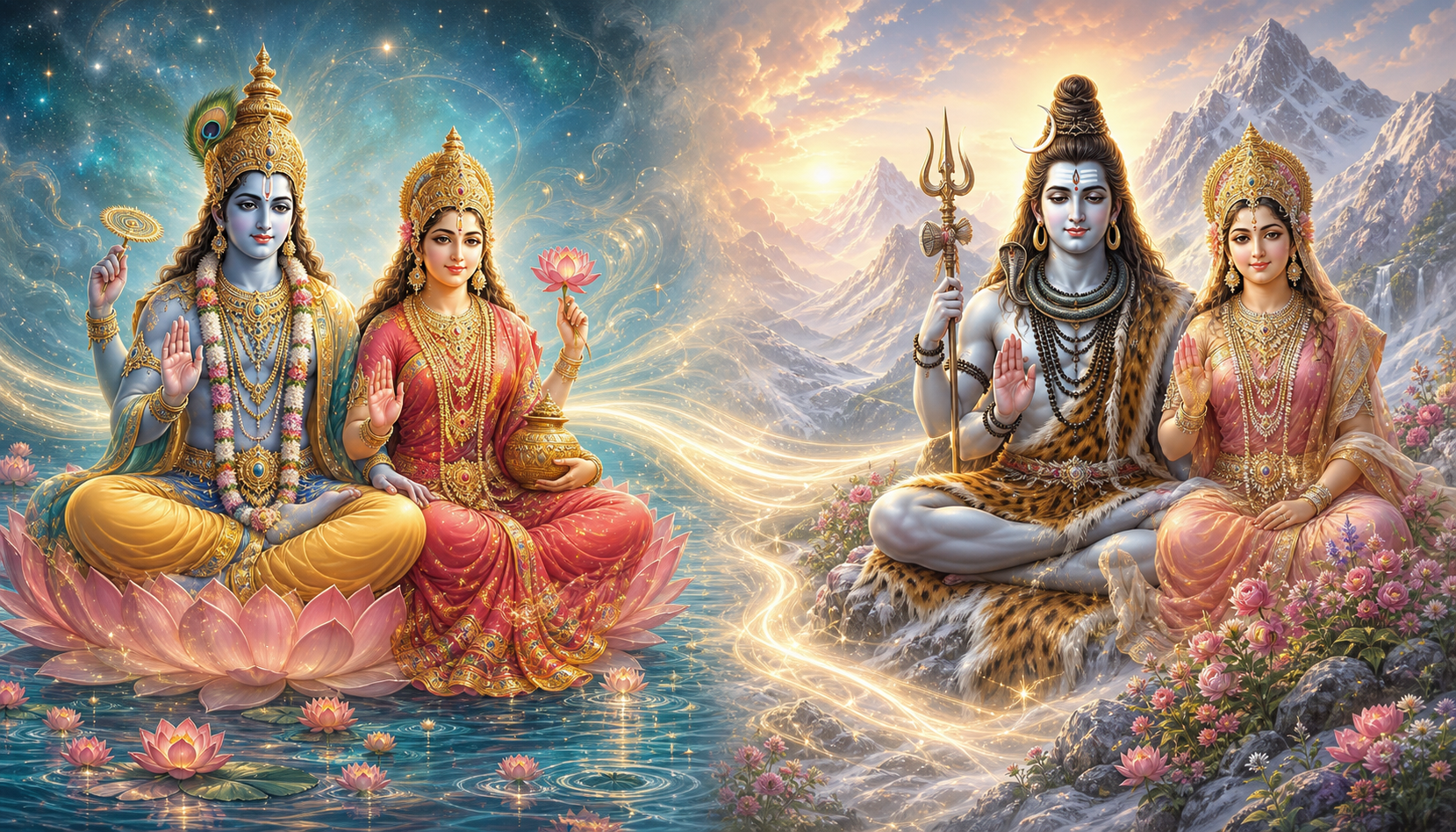
Shiva and Goddess Parvati embody a powerful archetype of complementary balance in Eastern philosophy, comparable to yin and yang. Their union models non-duality: awareness and energy co-arise to sustain harmony. The same insight appears across dharmic traditionsBuddhism’s Middle Way, Jainism’s Anekantavada, and Sikhism’s integration of temporal and spiritual lifeaffirming unity in spiritual diversity. Readers gain…
-
Sacred Parenting Mastery: Shiva–Parvati’s Timeless Lessons for Raising Wise, Compassionate Children

Hindu scriptures present the divine family of Lord Shiva, Mata Parvati (Pārvatī), Lord Ganesha, and Lord Kartikeya as a practical model of sacred parenting. Their narratives teach restorative accountability, healthy sibling dynamics, and the harmony of discipline with compassion. The Ganesha guardianship episode highlights firm boundaries coupled with reconciliation, while the brothers’ contest affirms diverse…
-
Goddess Parvati’s Transformation into Shakti: From Himalayan Maiden to Universal Mother

This article presents an academic yet accessible account of Goddess Parvati’s transformation from a Himalayan princess into Shakti, the Universal Mother. It traces her origins as Shailaputri, examines her disciplined tapas as Brahmācharini, and explains how her union with Shiva symbolizes cosmic balance. Readers gain a clear understanding of how devotion, self-mastery, and ethical living…
-
Shiva’s Five-Faced Epiphany before Parvati: A Sublime Vision of Wisdom, Love, and Dharma

This post explores the Shiva Purana’s account of Shiva manifesting before Goddess Pārvatī in His five-faced form, decoding its symbolism with academic clarity. It explains how each faceSadyojāta, Vāmadeva, Aghora, Tatpuruṣa, and Īśānamaps to creation, preservation, dissolution, contemplation, and grace. Readers gain a practical framework for meditation using the pañcākṣarī mantra and the five elements,…
-
Navaratri and it’s broad spectrum dharmic influence