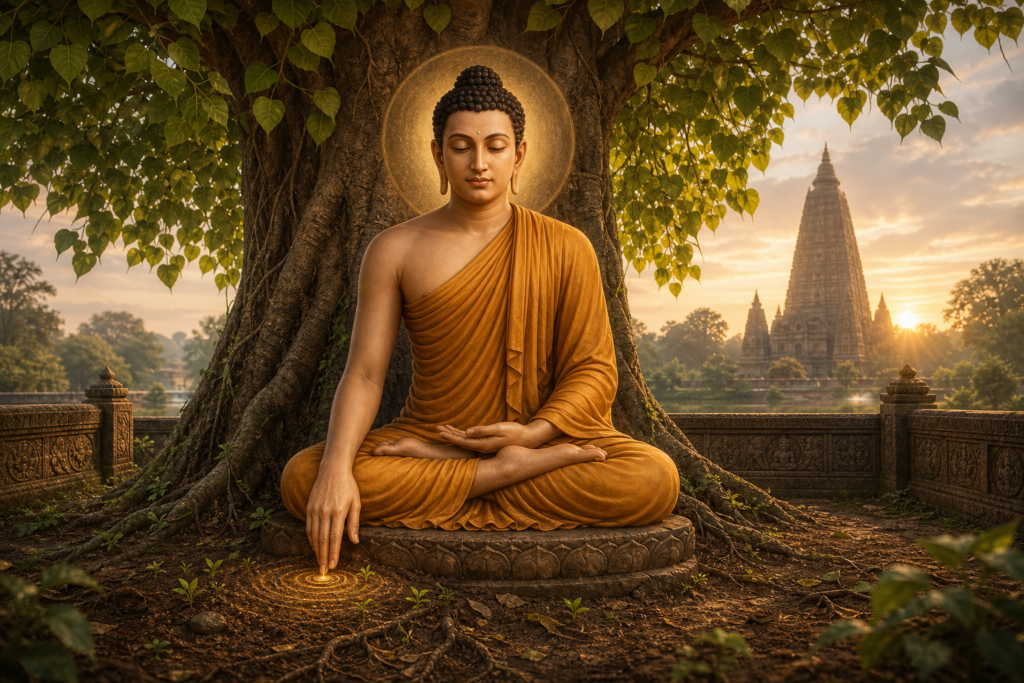
Saraswati Puja (Saraswati Triratra Vrata) is observed during the concluding phase of Sharad Navratri in many parts of India, especially across Andhra Pradesh, Telangana, Kerala, Karnataka, Tamil Nadu, Maharashtra, and Gujarat. In 2026, the observance runs from October 16 to October 19, honoring Goddess Saraswati as the embodiment of wisdom, knowledge, learning, music, and the arts.
The Triratra Vrata traditionally encompasses the final three days of Navratri, dedicated to reflective worship, study, and gratitude for the gifts of learning. The focus on Goddess Saraswati during this period emphasizes clarity of thought, disciplined study, and the cultivation of the artsvirtues cherished within households, schools, and temples alike.
Across South and West India, families respectfully arrange books, manuscripts, and musical instruments for worship, turning homes and classrooms into quiet sanctuaries of learning. In several regions, tools of learning and art are honored, and children recite shlokas or practice their first letters, reflecting the deep cultural memory of learning as sacred. Community music recitals, reading circles, and cultural performances often complement home-based rituals.
These days evoke a gentle yet profound emotional texture familiar to many: the soft glow of lamps by stacked textbooks, the veena or harmonium placed beside notebooks, the hush of early-morning prayers, and the collective anticipation of renewed study. Such moments cultivate intergenerational bondselders guide, youth aspireand reinforce the ideal that knowledge is both a discipline and a blessing.
For Saraswati Puja 2026, observances from October 16 to October 19 can include setting a daily sankalpa for focused study, reading a few pages from a cherished text, offering simple flowers to a Saraswati picture or murti, and maintaining a serene space free from distractions. Communities may host inclusive satsangs, music gatherings, or children’s recitation sessions that celebrate learning across languages and traditions.
Reverence for knowledge and the guru-shishya parampara resonates across dharmic traditionsHinduism, Buddhism, Jainism, and Sikhismmaking Saraswati Puja a natural bridge for unity in diversity. Shared respect for study, ethical inquiry, and compassionate wisdom can inspire interfaith dialogues, library events, and educational service initiatives that honor the spirit of learning without boundaries.
Temples and cultural institutions in Andhra Pradesh, Telangana, Kerala, Karnataka, Tamil Nadu, Maharashtra, and Gujarat typically organize special alankara and archana for Goddess Saraswati during these days. Schools, libraries, and arts academies may curate exhibitions or performances, while diaspora communities often adapt these practices to local contexts, keeping the essence of Sharad Navratri vibrant and inclusive.
As Saraswati Puja 2026 approaches, the period invites a balanced rhythmstudy and devotion, discipline and creativity, personal reflection and community participation. Honoring Goddess Saraswati during Sharad Navratri becomes not only a ritual of worship, but a living practice of learning, humility, and shared cultural heritage.
Inspired by this post on Hindu Pad.