-
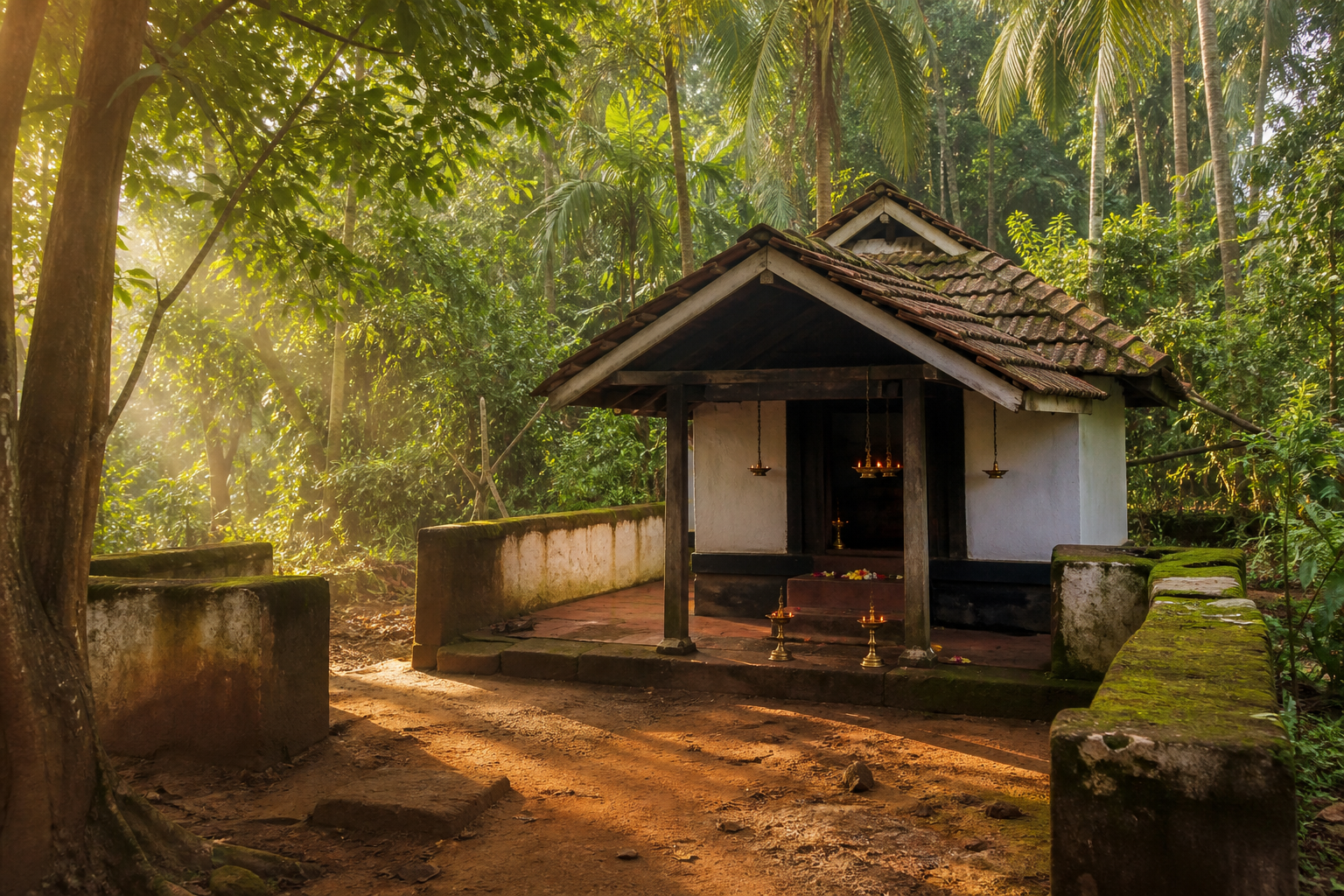
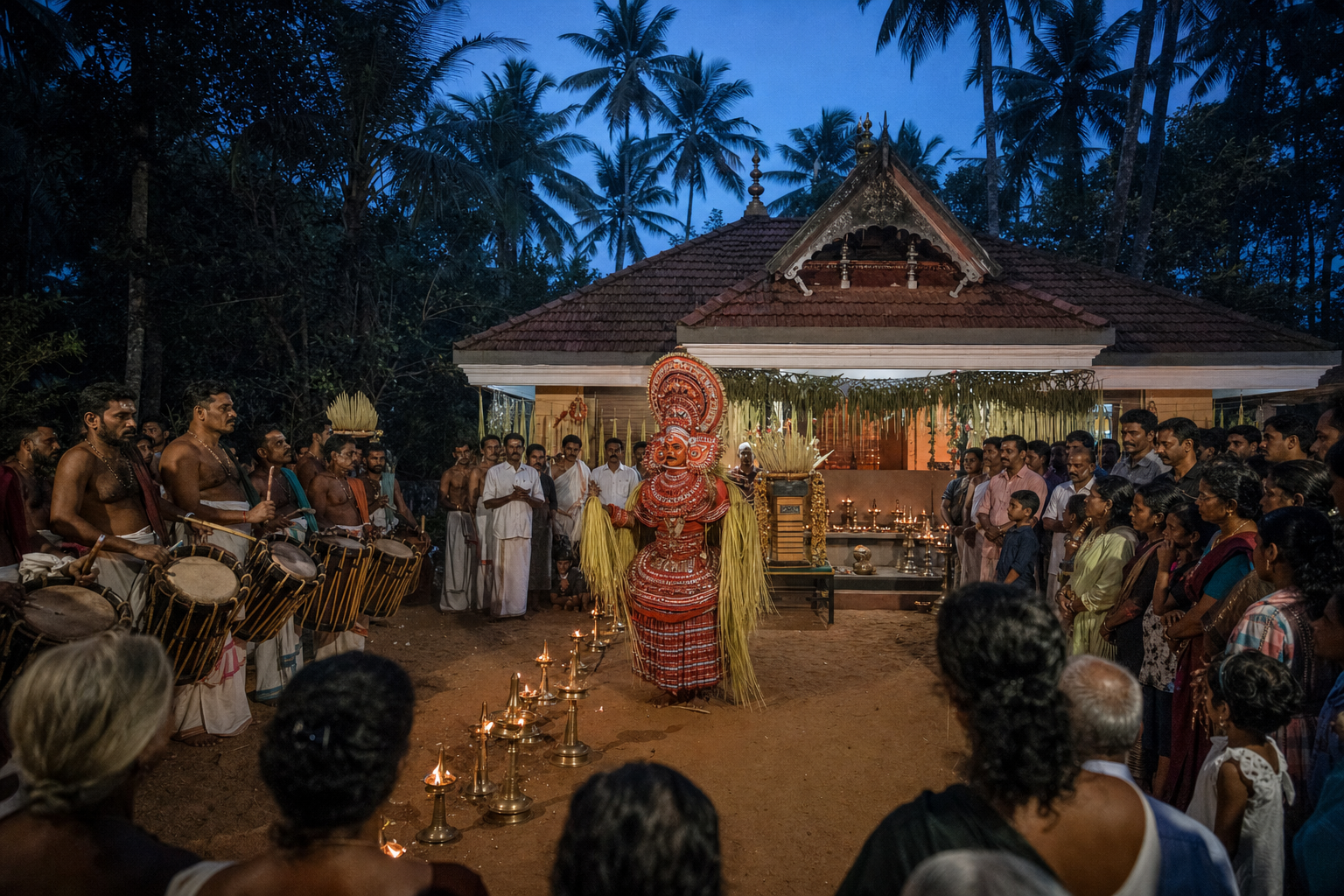
Panjurli Daiva of Tulunadu: Sacred Boar, Agrarian Covenant, and the Living Bhuta Kola

Tulunadu’s Panjurli Daiva, the sacred boar guardian of coastal Karnataka and northern Kerala, embodies a living covenant between forest and farmland. This in-depth overview situates Panjurli within Bhuta Kola/Nema traditions, tracing historical continuities, ritual roles, costume language, and oracular justice. Readers gain an integrated view of how daivasthanas function as both sacred spaces and civic…
-
Narayaneeyam: A Soul-Stirring, Scholarly Guide to the Bhagavata Purana in 100 Dasakas

Nārāyaṇīyam (Narayaneeyam) condenses the Srimad Bhagavatham into 100 daśakas and just over a thousand ślokas, uniting poetry, philosophy, and devotion. Composed in 16th‑century Kerala by Melpathur Nārāyaṇa Bhaṭṭathiri at Guruvayur, it offers a structured path from cosmology and avatāras to Krishna’s intimate līlās and a culminating meditative vision. This guide clarifies its history, architecture, meters,…
-
Tasting the Whole Krishna: Beyond One‑Dish Devotion to the Complete Vishvarupa Experience

A Kerala Sadhya on a banana leaf offers the perfect metaphor for understanding Sri Krishna: tasting only the sweet payasam is not the same as experiencing the complete meal. This long-form reflection shows how the Bhagavad Gita, the Bhagavata Purana, and Vaishnava theology present a whole vision—Vishvarupa, six divine opulences, multiple rasas, and the vyūha…
-
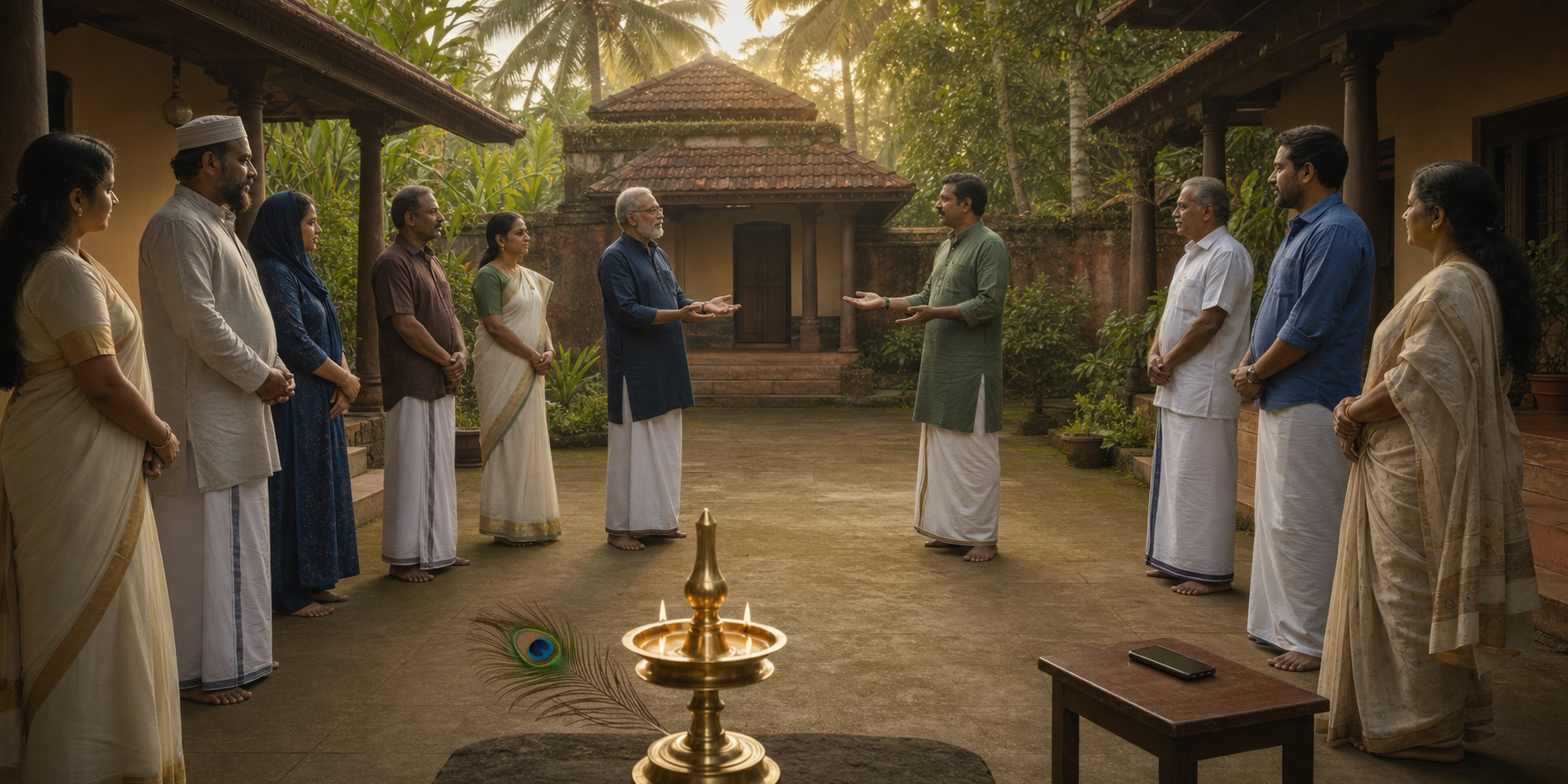
Inspiring Dialogue in Kochi: HJS and Amrita Vishwa Vidyapeetham Explore Value-Centered Synergy

Representatives of the Hindu Janajagruti Samiti (HJS) paid a courtesy visit to Dr U. Krishnakumar at Amrita Vishwa Vidyapeetham, Kochi, opening a channel for academia–civil society collaboration. The exchange highlighted shared priorities in values-based education, Indian Knowledge Systems, and community engagement aligned with NEP 2020. By emphasizing non-partisan, ethics-driven design, the dialogue supports campus neutrality…
-
Bhagavan Parashurama: Warrior‑Sage Avatar of Vishnu Who Restored Dharma and Balance

Bhagavan Parashurama, the sixth avatar of Vishnu and a devoted worshipper of Shiva, embodies the Hari–Hara unity at the heart of Sanatana Dharma. Drawing on the Bhagavata Purana, Vishnu Purana, the Mahabharata, and the Ramayana, this comprehensive essay explains how Parashurama restored ethical order when royal power became predatory, then withdrew in penance to model…
-
Kerala’s Vishu Poster Uproar: Multiple FIRs, Arrests, and a Roadmap for Interfaith Harmony

Kerala’s Vishu poster controversy began in Alappuzha and spread to other districts, including Malappuram, after an advertisement depicted Lord Krishna with a non-vegetarian dish. Multiple FIRs were registered and three individuals were arrested as police opened investigations into potential offences concerning religious sentiments and public order. This analysis situates the episode within India’s constitutional framework,…
-
Mannarasala’s Sacred Serpent Grove: Origins in Mahabharata’s Khandava Fire and Kerala’s Ecology

Mannarasala Sree Nagaraja Temple in Kerala is a living sacred grove that unites epic memory with ecological care. Local tradition links its origin to the Mahabharata’s Khandava forest burning, reframing epic destruction through rituals of reconciliation and fertility. The article unpacks the toponymy of “Mannarasala,” the temple’s unique priestess lineage, and its signature rites such…
-
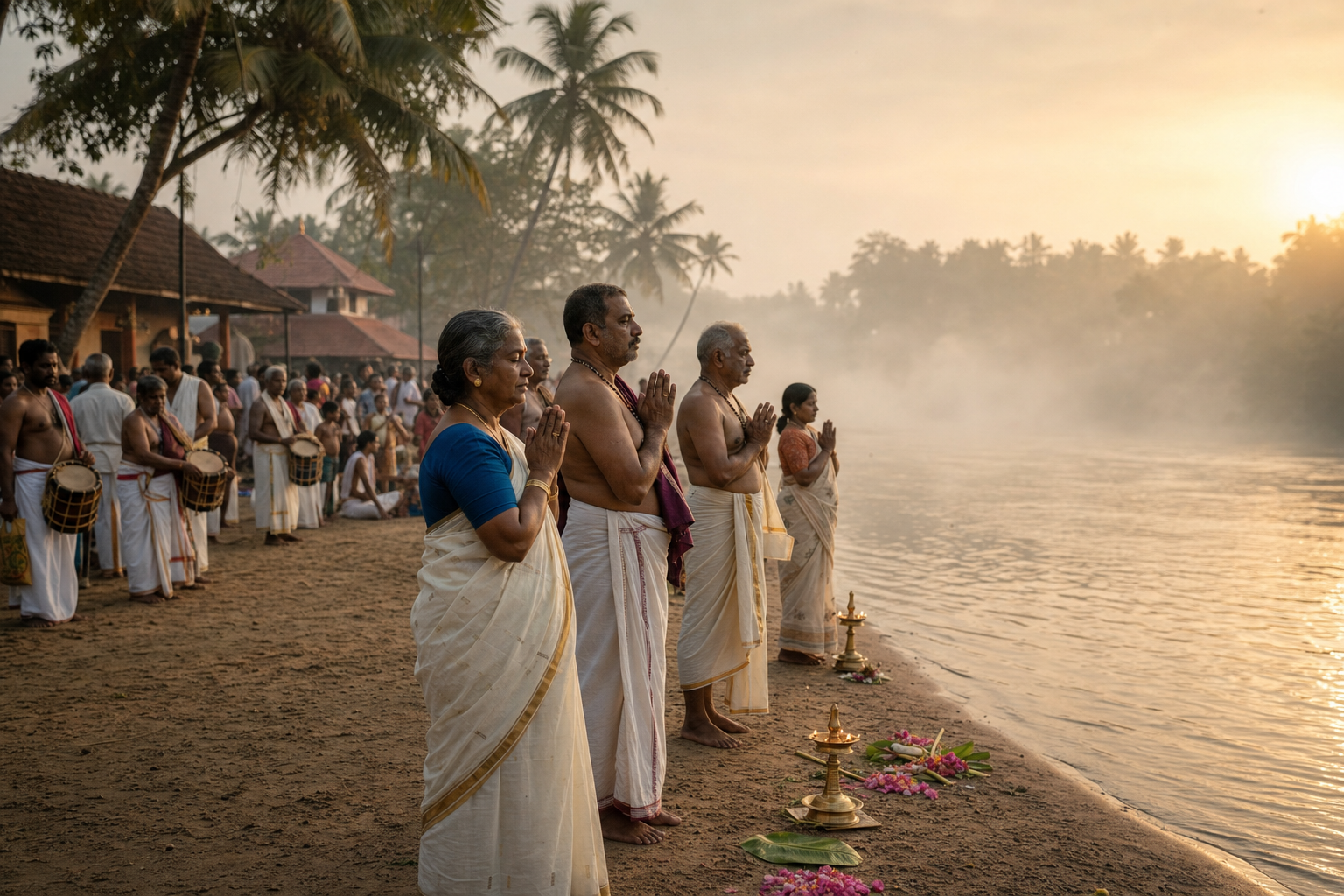
April 2026 Amavasya Tharpanam: Precise Sankalpam Mantras and Sacred Guide for Chithirai–Chaitra–Vaishakh

This comprehensive guide clarifies why Amavasya Tharpanam in April 2026 appears on both 16 and 17 April across Indian almanacs and explains how regional calendar systems map the observance to Chithirai Amavasya, Mesha Maasa Amavasya, Chaitra Amavasya, or Vaishakh Amavasya. It outlines best practices for selecting the proper date using the local Panchang and family…
-
Kerala Vishu Poster Furor: Chicken Mandi Before Shri Krishna Spurs Arrest, Harmony Lessons

A Vishu greeting poster from a Kerala restaurant that placed chicken mandi before an image of Shri Krishna triggered public outcry and a police arrest, spotlighting the high sensitivity of sacred symbols in India. The analysis explains why Vishukkani Darshan, vegetarian naivedya, and South Asian visual grammar made the imagery read as an offering, not…
-
Decoding Kuttichathan: Kerala’s Enigmatic Spirit-Deity, Tantric Symbolism and Theyyam

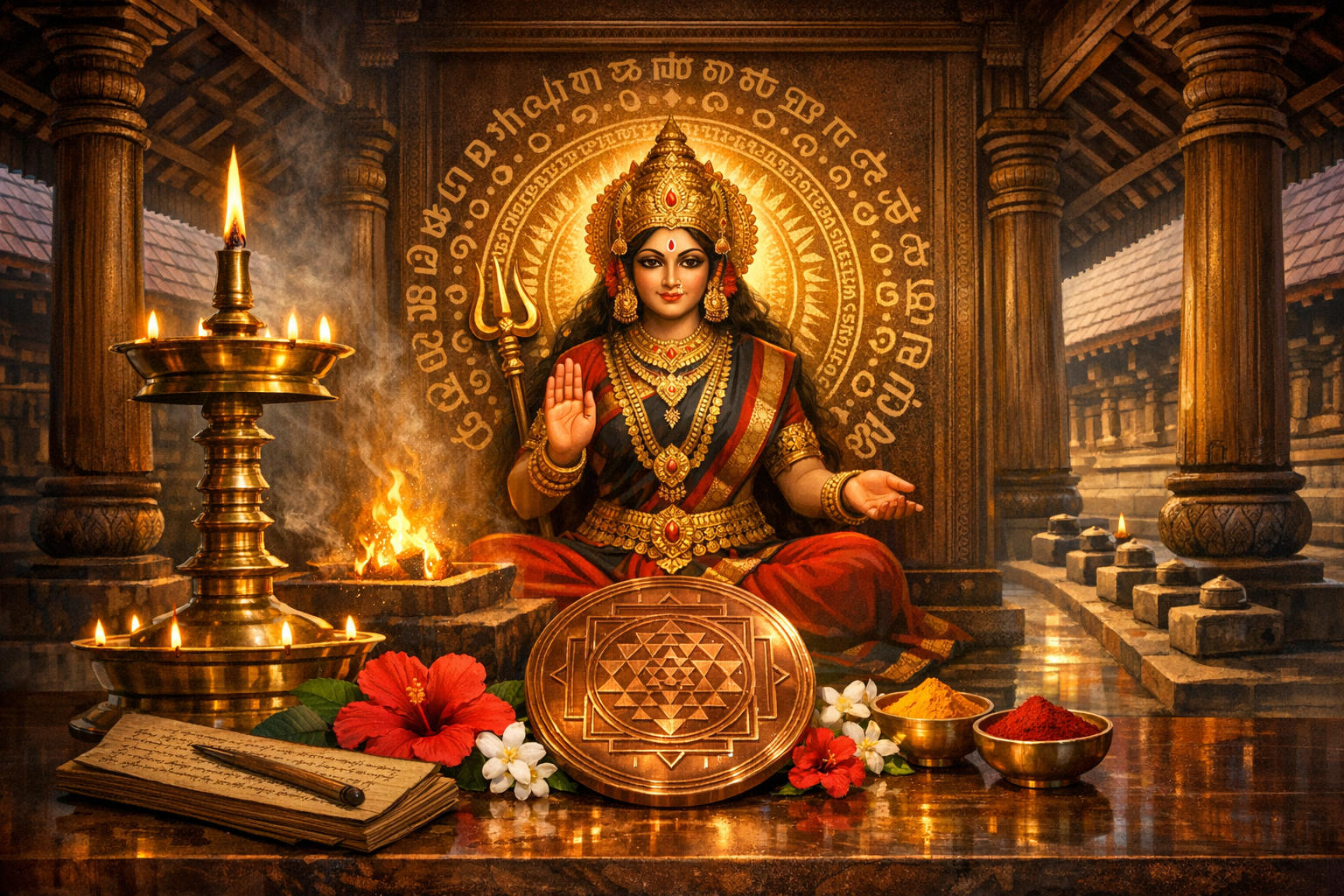
Kuttichathan, a spirit-deity central to Kerala’s sacred ecology, stands at the nexus of folk worship, Kerala-tantra, and the performative power of Theyyam. This long-form study decodes his iconography—youthful form, rajas-red palette, vigilant eyes, protective weapons, and yantric pedestal—and explains how each attribute supports guardianship, oath-keeping, and social equilibrium. It maps the cult’s sacred geography across…
-
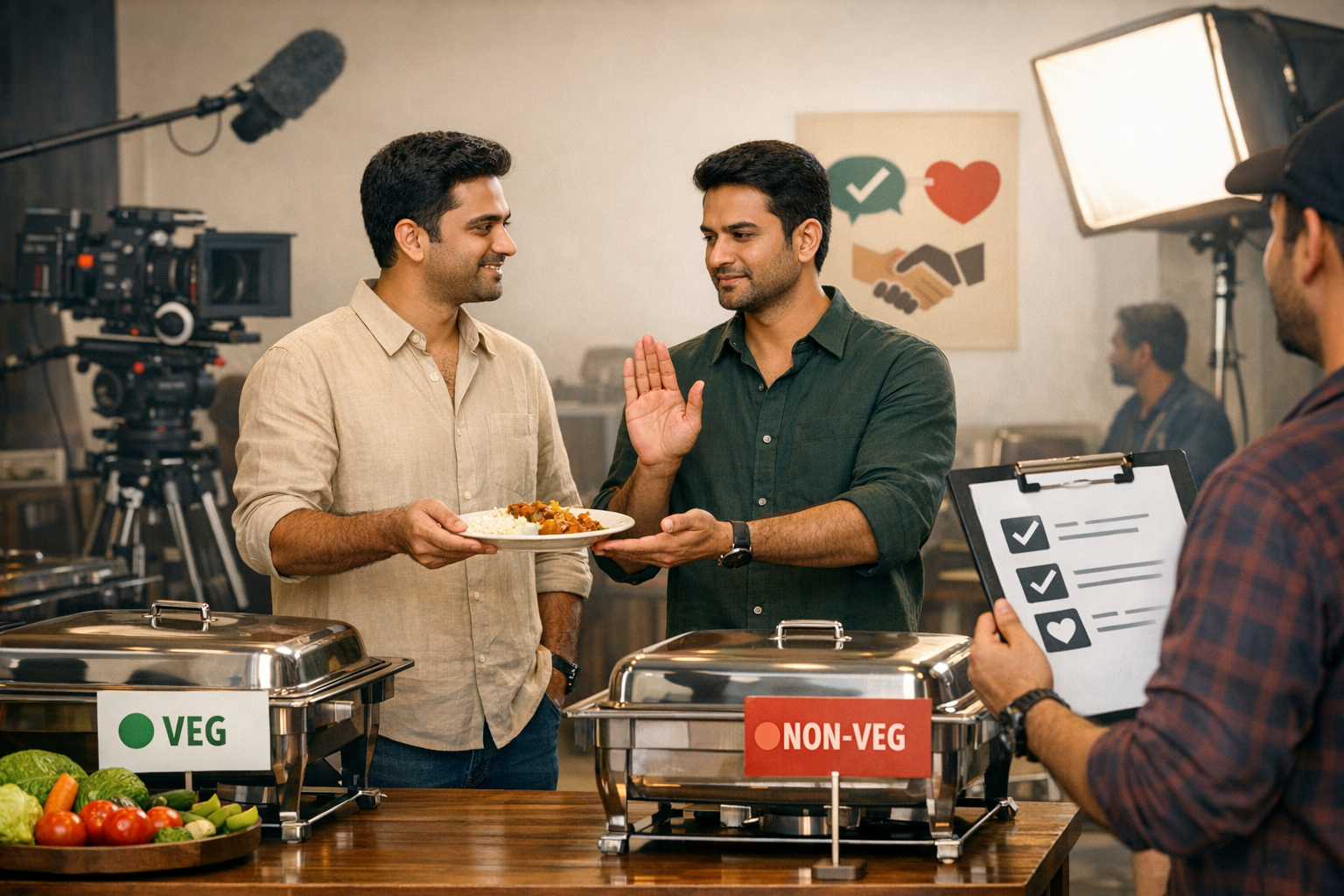
Viral Kerala Video Ignites Outrage: Why Consent and Dietary Respect Must Rule Film Sets

A viral Kerala video allegedly showing Shiyas Kareem urging a Hindu co-actor to eat beef has sparked a larger discussion on consent, cultural sensitivity, and interfaith respect on Indian film sets. This analysis separates allegation from verification while mapping the issue to India’s constitutional protections and relevant IPC provisions. It outlines practical, production-ready safeguards—no food…
-
NCST confirms minor status in Kerala interfaith marriage; forged certificate, POCSO case

The NCST has confirmed that Monalisa Bhosle was 16 years old at the time of her marriage to Farman Khan on 11 March 2026 in Kerala, amid allegations of a forged birth certificate. Khargone Police have registered a POCSO case, placing the matter within India’s strong child protection framework. The analysis clarifies how POCSO and…
-
Vishu’s Timeless Golden Bloom: Kanikonna’s Legend, Botany, and Shared Dharmic Symbolism

Kanikonna, the golden shower tree (Cassia fistula), illuminates the Vishu festival in Kerala with its perfectly timed pre-monsoon bloom and deep ritual symbolism. Rooted in a cherished Kerala legend about Unni and Bala Krishna at Ambadi, the flower’s place at the heart of Vishukkani Darshan unites devotion, seasonal ecology, and intergenerational memory. This long-form exploration…
-
Vishukkani Darshan 2026: Sacred Sunrise at Guruvayur and Chennai Mahalingapuram — A Complete Guide

Vishukkani Darshan—the first sacred sight at dawn on Vishu—arrives on April 14, 2026, aligning with Mesha Sankranti and the Malayalam month of Medam. This comprehensive guide explains the astronomical timing of the observance, the symbolism of each element in the Vishukkani, and practical steps for arranging the kani at home. It details the festival flow…
-
Vishu in Kerala: The Astronomical New Year, Sacred Vishukkani, Sadhya, and Dharmic Harmony

Vishu marks the sidereal Sun’s entry into Mesha (Aries) and is cherished in Kerala as an astronomical New Year of vision, renewal, and balance. This in-depth explainer clarifies how almanacs determine Mesha Sankramana, why Vishu is linked to the term vishuvam, and how its rituals translate cosmic order into everyday ethics. Readers will learn the…
-
Vishu’s Timeless Mahatmya: Rituals, Astronomy, and the Soul of Kerala’s New Year

Vishu marks the Kerala New Year at Mesha Sankramana, uniting astronomy, ritual, and community in an auspicious dawn experience. The Vishukkani—lamp, mirror, grain, fruits, coins, and kani konna blossoms—creates a visual theology of light, abundance, and self-reflection. Households practice Vishukkaineetam, extending generosity to children and the wider community as a social ethic for the year…
-
Shobha Karandlaje’s Kerala claims of ‘Love, Land, Business’: evidence, law, and dharmic unity

Reports attributing to Union Minister Shobha Karandlaje claims of “Love, Land, and Business Jihad” in Kerala have ignited debate. This analysis replaces rhetoric with a rigorous, law-and-data framework that separates allegations into three testable domains: intimate-partner coercion, property intimidation or illegality, and unfair or illicit business practices. It outlines applicable statutes, proposes investigation protocols, and…
-
Vishu Kanji & Vishu Katta: Authentic Kerala Vishu Breakfast, Ritual Meaning, and Recipe Guide

This long-form guide clarifies the cultural and culinary essence of Vishu Kanji and Vishu Katta, the traditional Kerala breakfast served after Vishukkani Darshan on Vishu. It explains how both dishes share core ingredients—unakkalari or pacha ari, fresh grated coconut, cumin, and salt—while diverging in texture through different liquid ratios and techniques. A detailed, time-efficient workflow…