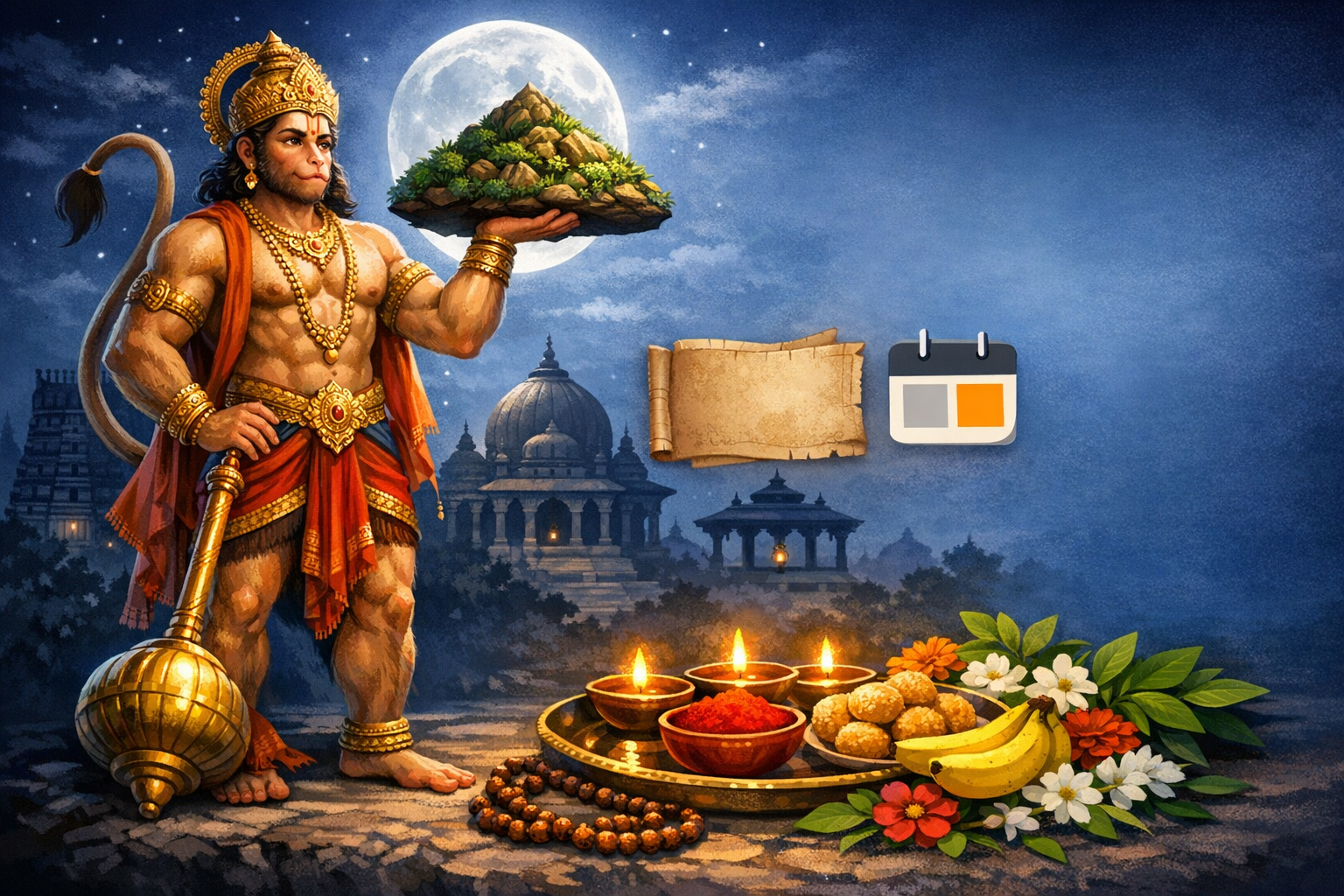
Hanuman Jayanti, also known as Hanumath Vijayotsavam in several traditions, commemorates the appearance of Lord Hanuman, the embodiment of bhakti, courage, and selfless service. In the Chaitra lunar cycle followed across much of India, Chaitra Purnima is widely observed as the sacred day. For 2026, the Purnima tithi spans April 1–2 (IST), and communities observe the festival on the date when Purnima prevails at sunrise according to their local panchang. The result is a calendar variation in which many will mark Hanuman Jayanti on April 2, while others may observe on April 1, in harmony with regional customs.
The calendrical basis rests on the Vedic tithi system: Purnima tithi is the full-moon lunar day and, by the common udaya-vyapini principle, a festival is kept on the date the tithi prevails at local sunrise. Because tithi start and end times rarely align with solar midnights and vary by longitude, the diaspora may find observance dates straddling two civil days. Panchang differences (amanta vs. purnimanta lunar months and regional school preferences) further explain why nearby regions may celebrate on adjacent dates while honoring the same sacred intent.
Regional practice reflects this diversity. In Maharashtrawhere the festival is also affectionately called Maruti JayantiChaitra Purnima is the standard observance. Many communities in Andhra Pradesh, Telangana, and parts of Karnataka also honor Chaitra Purnima as Hanuman Jayanti, while others commemorate Hanumath Vijayotsavam on a regionally appointed date later in Vaishakha. In Tamil Nadu, Hanumath Jayanti traditionally aligns with Margazhi Moola (Moolam Nakshatram in the month of Margazhi), illustrating how local nakshatra traditions shape the calendar. Such plurality is a hallmark of Dharmic culture; the spiritual essence remains one even as the calendrical lens varies.
The term Hanumath Vijayotsavam emphasizes Hanuman’s victory of devotion, discernment, and service. Devotees remember the Sundara Kanda’s turning pointsHanuman’s leap to Lanka, discovery of Sita, wise counsel to Ravana’s court, and the healing mission with Sanjeevanias symbolic milestones in conquering fear, confusion, and despair through unwavering dedication to dharma.
Scriptural touchstones include Valmiki Ramayana (with Sundara Kanda as the devotional centerpiece), the Mahabharata’s references to Hanuman as Bhima’s elder brother through Vayu, and Purana mentions extolling Hanuman’s qualities of bala (strength), buddhi (discernment), and bhakti (devotion). Theologically, Hanuman represents nishkama karma (selfless action), shraddha (faith), and guru-bhakti (disciple’s loyalty), virtues that unify the shared ethical core of Hinduism, Buddhism, Jainism, and Sikhism: service, discipline, compassion, and truthfulness.
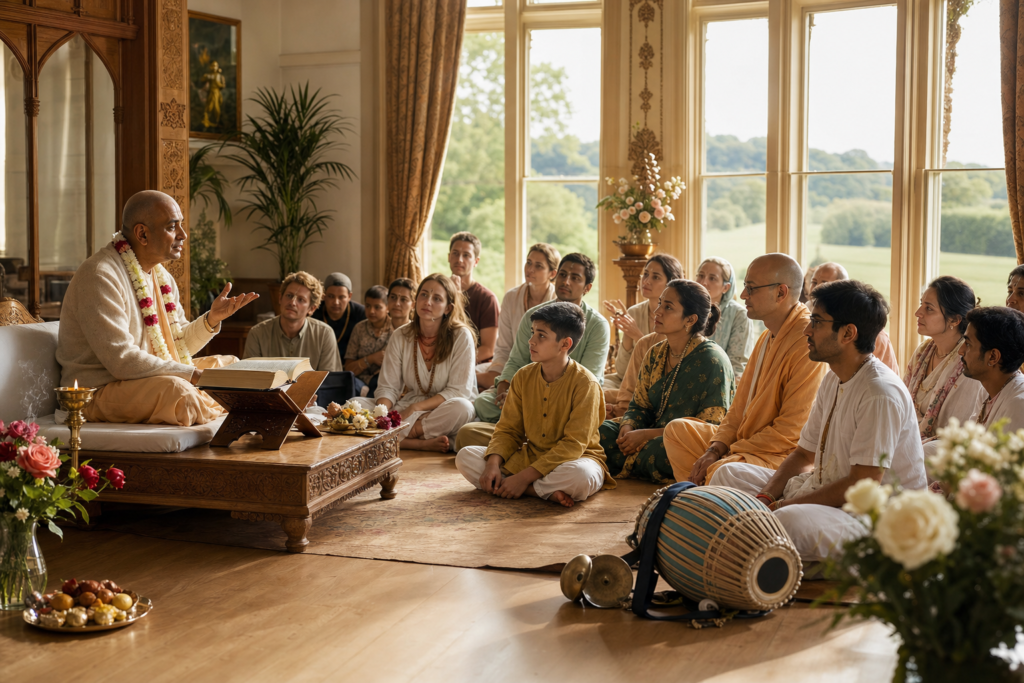
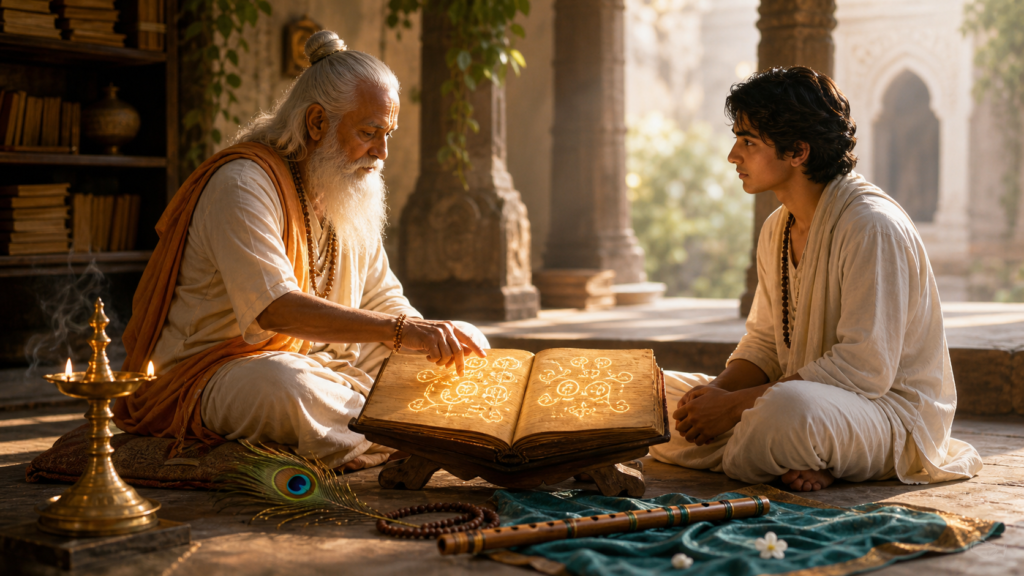
In this unifying spirit, Hanuman Jayanti brings together families and sanghas to practice seva (service), dana (charitable giving), and mindful conduct. The festival’s emotional resonance often stems from simple, living experiencesparents narrating Sundara Kanda to children, elders guiding community annadanam, and collective recitations of Hanuman Chalisa that transform anxiety into courage and quiet resolve.
Preparation for the vrata typically includes early-morning cleansing, sattvic diet, and a sankalpa (intent) to dedicate the day to devotion and service. Many choose a period of japa and parayana leading into the festival, aligning mind and breath (prana) with the ideal of steadiness (dhriti) that Hanuman personifies. The day is also an occasion to reconcile differences, seek blessings for collective well-being, and strengthen bonds across Dharmic traditions.
At home, a simple Hanuman Puja can be performed with cleanliness, devotion, and adherence to family tradition. After lighting a lamp, devotees may offer the Panchopachara (gandha, pushpa, dhupa, deepa, naivedya) or Shodashopachara where customary. Reciting Hanuman Chalisa, Bajrang Baan (where culturally accepted), and especially the moola mantra “Om Hanumate Namah” with focus and reverence forms the heart of practice. It is common to conclude with kshamapana (prayers for forgiveness) and sankalpa to extend the fruits of worship to all beings.
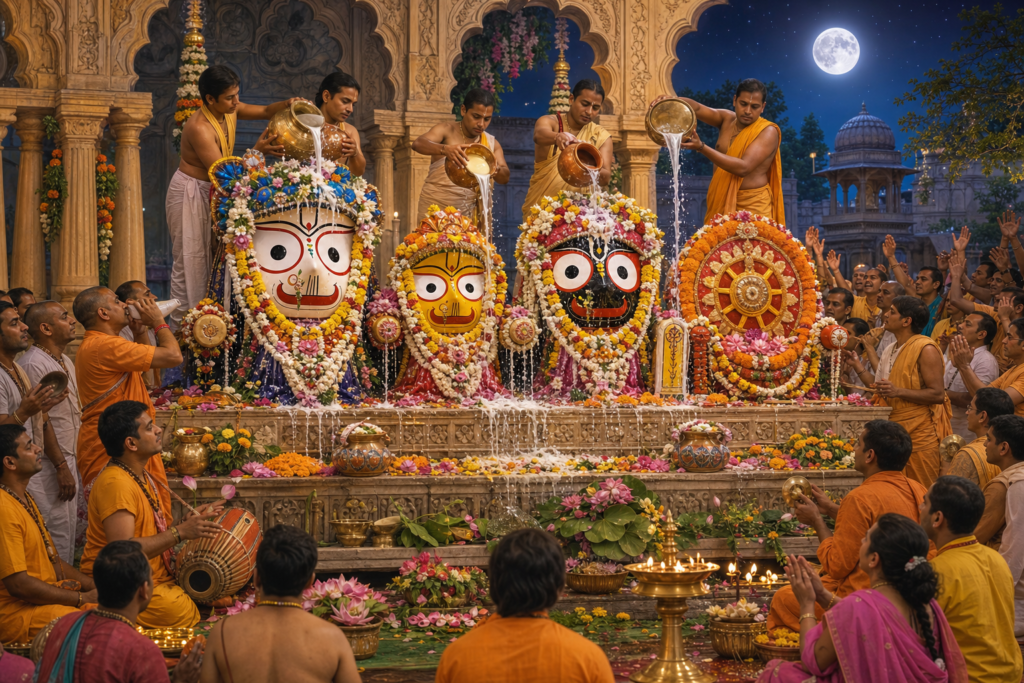
Temple-based observances often begin with abhishekam (sometimes taila-abhisheka with sesame oil), alankaram with sindhura (vermilion), and vibrant processions. Communities in Maharashtra, Karnataka, Andhra Pradesh, and Telangana organize special homas, collective Sundara Kanda parayanam, and annadanam. The Kondagattu Hanuman Temple in Telangana, for instance, is renowned for large congregations and vows (deeksha), exemplifying how regional centers become hubs of spiritual cohesion and social service.
Parayana on this day gravitates to Sundara Kanda and Hanuman Chalisa. Households and temples may complete a full Sundara Kanda in one sitting or undertake structured schedules such as Shodasha Dina Sundarakanda Parayanam, distributing the sargas over sixteen days. The text’s movementfrom search to recognition, counsel to resolutionoffers a transformative arc for devotees contending with life’s uncertainties.
Hanuman Homam/Havanam is performed in many communities with a qualified priest or under the guidance of family elders. The sankalpa typically seeks strength, clarity, and protection for the household and the wider community. Offerings may include ghee, sesame, and samidhas suitable for homa, with mantras centered on Hanuman’s names and the Rama-taraka mantra. Fire rites are carried out with due safety and scriptural fidelity.
Sindhura Puja (Hanuman Sindhura Puja) symbolizes the classical narration that Hanuman adorned himself with sindoor for Sita Mata’s long life and Rama’s well-being. Devotees gently apply sindhura to Hanuman’s murti or a picture (as per local custom), offering prasada such as boondi, jaggery, bananas, and betel leaves. The ritual is interpreted as a vow of wholehearted, joyful service.
Fasting practices vary: many observe a daytime upavasa and break after sunset or moonrise, while others maintain a fruit-and-milk vrata. The guiding principle is sattvaclarity, moderation, and compassion. Some avoid onion, garlic, and processed foods, redirecting the day’s energies to prayer, study, and seva.
Astrological custom associates Hanuman worship with alleviating afflictions of Shani and Mangal, which is why Tuesdays and Saturdays are especially popular for Hanuman puja throughout the year. While the festival centers on devotion rather than determinism, many find that a regular discipline of japa, puja, and seva brings steadiness that outlasts planetary transits.
In Andhra Pradesh and Telangana, Hanuman Deeksha is taken by many devoteesa disciplined observance of dress, diet, japa, and daily temple visits, often beginning around Chaitra Purnima and culminating in Hanumath Vijayotsavam in Vaishakha according to regional tradition. This 41-day arc nurtures resilience, humility, and a culture of mutual support within the community.
Regional temples infuse the day with unique flavors of devotionMaruti mandirs in Maharashtra emphasize akhada traditions and community processions; Karnataka’s historic shrines highlight scholarly pravachanas; Andhra–Telangana temples, including Kondagattu Hanuman Temple, coordinate deeksha samarpana and large-scale annadanam. Across geographies, the leitmotif is unity in service.
Environmentally mindful observance is encouraged: use natural flowers and biodegradable offerings, avoid chemical colors, and support local, ethically sourced naivedya. Such choices align with the Dharmic ethic of ahimsa and stewardship, extending worship into conscientious living.
Clarifying terms helps harmonize practices. Hanuman Jayanti on Chaitra Purnima is the widely recognized pan-Indian observance; Hanumath Vijayotsavam, used in parts of South India, highlights the victorious and protective aspects of Hanuman and may fall later in Vaishakha by regional reckoning. Both honor the same immortal idealunwavering devotion to dharma and fearless service to the good.
For 2026, most Indian panchangs will indicate April 2 (IST) for Hanuman Jayanti where Purnima prevails at sunrise; some communities, following local rules or time-zone shifts, may observe on April 1. Temples and households are encouraged to consult their regional panchang and follow guru-parampara or established family tradition.
The festival’s enduring lesson is practical and profound: bhakti wedded to buddhi becomes an inexhaustible force for good. In that light, Hanuman Jayanti is not only a sacred date on the Hindu calendar; it is a living invitation to cultivate courage, compassion, discipline, and servicevirtues cherished across Hinduism, Buddhism, Jainism, and Sikhism. Honored thus, Hanumath Vijayotsavam strengthens communal harmony and inspires a shared commitment to the welfare of all.
Inspired by this post on Hindu Pad.