
Hindu Heritage Month, a time of reflection and celebration, is an annual event that holds special significance in the heart of Canada. With each passing November, this month takes on a deeper meaning as it gives us an opportunity to delve into the rich tapestry of Hindu culture and acknowledge the invaluable contributions made by Hindu Canadians to Ontario’s social, economic, political, and cultural landscape.
In this blog post, we embark on a journey to explore the essence of Hindu Heritage Month, an occasion that beautifully encapsulates the diversity and inclusivity that defines Canada. It is a time to remember, celebrate, and educate future generations about the vital role played by Hindu Canadians in shaping our communities. We will delve into the core beliefs of Hinduism, the spiritual principles that underpin this ancient and revered religion, and the rich tapestry of traditions that bring it to life.
We’ll also explore the significance of key Hindu symbols and concepts, such as “Om” and the “bindi,” and understand how these resonate not only in religious practices but also in everyday life. Additionally, we’ll discover the profound influence of Hindu culture in fields like mathematics, medicine, and even the creation of beloved games.
Furthermore, this blog post will spotlight the global impact of Hindu philosophy, particularly the concepts of Ahimsa (non-violence) and the pursuit of peace. The role of prominent figures like Mahatma Gandhi and the reach of these ideals in inspiring global leaders will be highlighted.
As we delve into the festivals and traditions, we will see how Hindu Canadians celebrate Diwali, Holi, Navaratri, and other significant occasions, infusing them with color, spirituality, and the warmth of unity.
We will also delve into the fundamental values and spiritual pursuits that underpin Hinduism, from the law of karma to the eternal quest for Moksha. Through this exploration, we aim to gain a deeper appreciation of the principles that guide the lives of Hindu Canadians.
Finally, this blog post will underscore the importance of recognizing and celebrating Hindu Heritage Month, not only as an occasion to cherish and honor a vibrant culture but also as a reminder of the cultural diversity that enriches Canada. It’s a celebration of unity in diversity, reflecting the nation’s commitment to inclusivity and its openness to embracing various cultures.
Join us in this cultural voyage, as we celebrate Hindu Heritage Month and gain insights into the cultural, spiritual, and historical aspects of this vibrant community.
What is Hindu Heritage Month?
Defining Hindu Heritage Month
Hindu Heritage Month is a special time of the year in Canada, particularly in Ontario, dedicated to honoring and celebrating the remarkable contributions of Hindu Canadians to the social, economic, political, and cultural fabric of the region. It serves as a powerful reminder of the cultural diversity that defines Canada, recognizing the rich tapestry woven by various communities that call this nation home.
Significance of Hindu Heritage Month
This month holds immense significance as it not only serves as a platform to showcase and embrace the essence of Hindu culture but also embodies the spirit of inclusivity that defines the nation. It is a celebration of unity in diversity, reflecting Canada’s commitment to recognizing and respecting the various cultural and religious backgrounds that coexist harmoniously within its borders.
Timing of Celebration
Hindu Heritage Month is celebrated throughout the month of November each year, making it a time of reflection and remembrance. This specific timing is no coincidence; it aligns with the vibrancy of fall, where nature undergoes a beautiful transformation, symbolizing the diversity and vibrancy of the Hindu culture and its contributions to Canadian society.
Acknowledging the Role of Hindu Canadians
At its core, Hindu Heritage Month provides a platform to acknowledge the invaluable role that Hindu Canadians have played and continue to play in shaping the identity of Ontario. It’s a reminder that diversity is not just a mere demographic fact but a celebration of the various cultures that have come together to create a harmonious and flourishing society. Hindu Canadians have actively contributed to various facets of life in Ontario, from medicine and technology to the arts and business. This celebration is an opportunity to appreciate and applaud these contributions, fostering a sense of belonging and unity in the community.
In the following sections, we will delve deeper into the themes, beliefs, and traditions that define Hindu Heritage Month and offer a more comprehensive understanding of the cultural and spiritual significance of this celebration.
Themes and Traditions of Hindu Heritage Month
Exploring Themes
Hindu Heritage Month is a celebration marked by various themes that encapsulate the core principles and teachings of Hindu culture. These themes serve as a guiding light, shedding insight into the profound philosophy and spirituality rooted in Hinduism. In the year 2020, the theme was “OM Shanti: Living together in Peace.” This theme is not just a collection of words but a reflection of the essence of Hindu culture and its fundamental beliefs.
Understanding “OM Shanti” and Its Significance
The theme “OM Shanti: Living together in Peace” beautifully encapsulates the essence of Hindu spirituality. “Shanti” is a Sanskrit word that translates to “peace.” However, in the context of Hindu culture, it signifies a lot more than just the absence of conflict. “Shanti” represents a state of inner tranquility, harmony, and spiritual well-being. It’s a profound concept that highlights the importance of finding peace within oneself, which can then be extended to the world at large.
“OM,” often pronounced as “Aum,” is the most sacred sound and symbol in Hinduism. It’s considered the sound of the universe and represents universal consciousness. Chanting “OM” is believed to have a profound effect on the body and mind of those who engage in this practice. It’s a powerful reminder of the interconnectedness of all living beings.
In the context of Hindu Heritage Month, “OM Shanti” serves as both a greeting and a guiding philosophy. It’s chanted aloud as an invocation of peace after Hindu prayers. This theme encourages not only the practice of peace within but also the spread of this harmony and goodwill in the broader community. It reflects the belief in the oneness of all living beings and the aspiration for unity and peaceful coexistence.
Celebrating Hindu Heritage Month
Hindu Canadians celebrate this special month in various ways. They organize cultural events, educational seminars, and artistic performances that showcase the diversity and beauty of Hindu culture. These celebrations are an opportunity to share the teachings of Hinduism, its traditions, and the principles that underpin the religion.
Community members often come together to participate in prayers, meditation sessions, and discussions about the significance of “OM Shanti” and its relevance in today’s world. These events create an environment where people from different backgrounds can learn about Hindu culture, engage in meaningful dialogues, and foster a sense of unity and understanding.
Hindu Heritage Month serves as a bridge, connecting people from all walks of life and creating a space for cultural exchange and appreciation. It’s a time to not only celebrate the richness of Hindu culture but also to promote the values of peace, unity, and harmony in our increasingly diverse and interconnected society. In the subsequent sections, we will delve deeper into the core beliefs of Hinduism and its global impact, providing a more comprehensive understanding of this vibrant culture.
Key Beliefs and Principles of Hinduism
Hinduism: The Oldest Living Religion
Hinduism is not just a religion; it’s a tapestry of beliefs, traditions, and spirituality that has woven itself into the very fabric of human history. It is often recognized as the world’s oldest living religion, with a heritage that spans thousands of years. Its roots are deeply embedded in the Indian subcontinent, where it has flourished and evolved over millennia. Hinduism’s longevity is a testament to its adaptability, resilience, and profound insights into the human experience.
The Concept of Divinity Within All Beings
One of the central tenets of Hinduism is the belief in the divinity that resides within all beings. Hindus view each individual as an embodiment of truth, consciousness, and bliss. This profound idea underscores the fundamental equality and interconnectedness of all life. It teaches that each person is inherently divine, and by recognizing this divinity in ourselves and others, we can cultivate a sense of respect, empathy, and reverence for all living things.
This concept of divinity within is not limited to humans but extends to the entire universe. Hindus believe that everything in creation, from the smallest blade of grass to the grandest mountains, is a manifestation of the divine. It’s a worldview that encourages a deep sense of interconnectedness with the natural world, promoting a harmonious coexistence with the environment.
Sanātana Dharma and the Oneness of All Living Beings
“Sanātana dharma” is a term that is often used interchangeably with Hinduism. It translates to “eternal dharma” or “eternal order.” This concept embodies the idea that the spiritual and moral principles that underpin Hinduism are not bound by time or place. They are timeless and universal, applicable to all people, regardless of their cultural or geographical background.
In Hinduism, there is a belief in the oneness of all living beings and everything in creation and the universe. This is encapsulated in the phrase “Vasudhaiva Kutumbakam,” which translates to “The World is One Family.” It is a powerful reminder of our shared humanity and the interconnectedness of all life. This principle promotes the values of love, compassion, and unity, emphasizing that the well-being of one is intricately linked to the well-being of all.
Hindus often follow a spiritual Guru, a living saint, who can guide them on their spiritual path and provide answers to questions about life and the religion. The role of a Guru is highly respected, as they are seen as sacred conduits for wisdom and guidance.
In the following sections, we will explore the concept of a single, formless God in Hinduism and how it allows for diverse forms of worship. We will also delve into the core values and spiritual pursuits that guide the lives of Hindu Canadians, offering a deeper understanding of the cultural and spiritual richness of this ancient tradition.
Gods and Worship in Hinduism

Belief in One God (Paramatma or Brahman) and Worship in Various Forms
In Hinduism, the belief in one ultimate, supreme God is fundamental. This divine entity is known as “Paramatma” or “Brahman.” It is conceived as a formless, omnipotent, and omnipresent consciousness that transcends all boundaries. Brahman is the source and essence of all existence, the underlying reality from which the universe emanates.
What makes Hinduism particularly unique is the freedom it offers in the way this one God is worshipped. Hindus are free to approach the divine in various forms and manifestations. This is often expressed through the worship of deities, nature, and divine energies. It’s a reflection of the inherent diversity within Hinduism, allowing individuals to connect with the divine in a way that resonates most deeply with their spiritual journey.
Significance of Deities, Nature, and Divine Energies in Hindu Worship
Deities hold a special place in Hindu worship. They are often seen as divine manifestations or personifications of various aspects of the one supreme God, Brahman. These deities have distinct characteristics and roles. For example, Lord Vishnu represents the preserver of the universe, while Lord Shiva embodies the destroyer and regenerator.
Nature itself is regarded as sacred in Hinduism. Rivers, mountains, animals, and plants are considered manifestations of the divine. This perspective encourages a profound reverence for the environment and a commitment to its preservation. Hindus often engage in rituals and ceremonies that honor the natural world as a reflection of the divine order.
Beyond deities and nature, Hindu worship extends to the recognition of divine energies. These energies are often associated with particular aspects of the divine, such as the energy of creation, preservation, and destruction. Worshipers may seek to connect with these energies to seek blessings, guidance, or balance in their lives.
The Role of Spiritual Gurus
Spiritual Gurus play a significant role in guiding individuals on their spiritual paths in Hinduism. A Guru is a person who is regarded as having great knowledge, wisdom, and authority in a certain area, particularly in matters of spirituality. The word “Guru” is derived from the Sanskrit words “gu” (darkness) and “ru” (light), signifying the Guru’s role in dispelling ignorance and leading others from darkness to light.
A Guru is not merely a teacher; they are seen as a sacred conduit for wisdom and guidance. They provide insights into the profound spiritual teachings of Hinduism, help individuals navigate their spiritual journeys, and offer answers to life’s existential questions. Guru-disciple relationships are characterized by deep respect and trust, and they often serve as a transformative force in one’s spiritual evolution.
In Hindu Heritage Month, the role of spiritual Gurus in preserving and transmitting the wisdom of the tradition is celebrated. Their guidance is instrumental in helping individuals connect with the divine, understand the sacred texts, and lead a life in accordance with the spiritual principles of Hinduism.
In the upcoming sections, we will delve deeper into the core values and spiritual pursuits in Hinduism, the significance of holy texts, and the sacred symbol “Om,” which holds profound meaning in Hindu prayers and meditation.
Core Values and Spiritual Pursuits
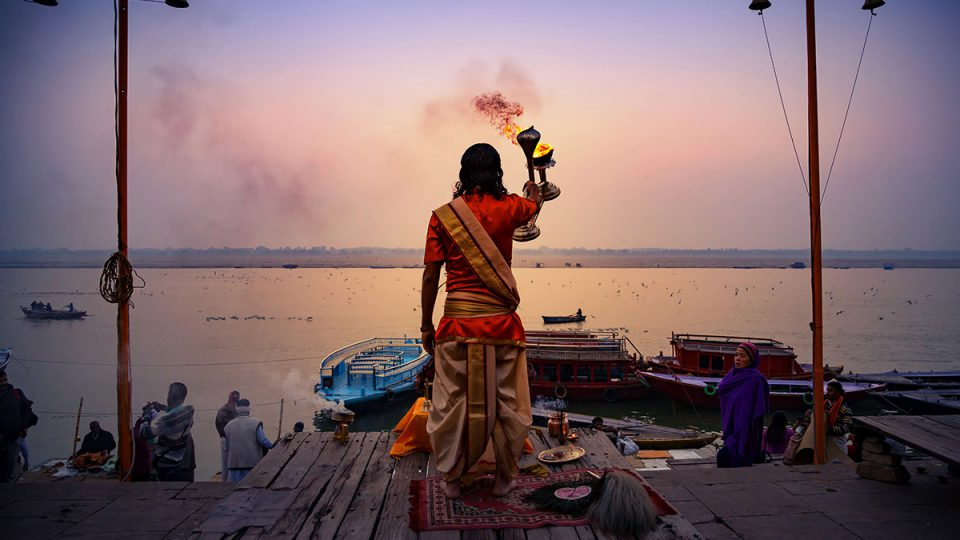
Exploring Key Values in Hinduism: Karma and Reincarnation
Hinduism is built upon a foundation of fundamental values that shape the lives and beliefs of its practitioners. Two of the most central concepts are karma and reincarnation.
Karma
Karma is the universal law of cause and effect, emphasizing the consequences of one’s actions. Hindus believe that every action, thought, and deed carries with it a karmic result, whether positive or negative. The concept of karma teaches personal responsibility and accountability for one’s actions. It underscores the importance of making ethical and moral choices, as these choices will influence future experiences and lifetimes.
Reincarnation
Reincarnation, or the cycle of rebirth, is intimately tied to the concept of karma. Hindus believe in the continuous cycle of birth, death, and rebirth (samsara). The state of one’s next life is determined by the accumulated karma from previous lives. The ultimate goal is to break free from this cycle and attain liberation.
The Ultimate Goal of Moksha: Liberation from the Cycle of Rebirth
Moksha is the ultimate spiritual pursuit in Hinduism. It represents liberation from the cycle of birth and rebirth, allowing the individual’s soul (Atman) to merge with the supreme consciousness (Brahman). Achieving Moksha is the culmination of the spiritual journey and the realization of one’s divine nature. It signifies the end of suffering and the attainment of eternal peace and unity with the divine.
The pursuit of Moksha motivates individuals to seek self-realization, transcendental knowledge, and the dissolution of the ego. It is the liberation from the constraints of the material world and the unification of the individual soul with the ultimate reality.
The Pursuit of Truth and Selfless Service (Seva)
In the context of Hindu beliefs, the pursuit of truth and selfless service, known as “seva,” is highly regarded. Truth is seen as the ultimate reality, and the search for truth is a fundamental spiritual quest. This pursuit often involves deep introspection, meditation, and philosophical inquiry.
Seva, on the other hand, is the practice of selfless service for the well-being of others. It is rooted in the principle of compassion and the recognition of the divinity within all beings. Hindus believe that by serving others without selfish motives, individuals can purify their hearts, accumulate positive karma, and progress on their spiritual path. Seva can take various forms, from acts of charity and kindness to community service and support for those in need.
In summary, the core values and spiritual pursuits in Hinduism revolve around the principles of karma, reincarnation, and the ultimate goal of Moksha. The pursuit of truth and selfless service (seva) are intrinsic to the spiritual journey and help individuals navigate the complexities of life while striving for spiritual growth and liberation. These values form the foundation of a meaningful and purposeful life in the context of Hindu beliefs.
Sacred Texts and Symbols
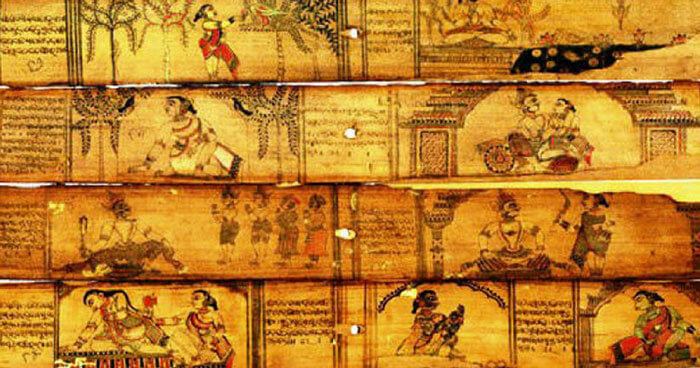
Hinduism has a rich literary tradition with numerous sacred texts that guide spiritual understanding and practice.
Vedas
The Vedas are the oldest and most revered texts in Hinduism, dating back over 3,000 years. They consist of four main collections (Rigveda, Yajurveda, Samaveda, and Atharvaveda) and contain hymns, rituals, and philosophical teachings. The Vedas serve as the foundational scriptures of Hinduism, shaping its religious and spiritual philosophy.
Upanishads
The Upanishads are philosophical texts that explore the deeper, metaphysical aspects of existence. They are sometimes referred to as Vedanta, which means “the end of the Vedas.” Upanishads delve into concepts like the nature of the self (Atman) and the ultimate reality (Brahman), shedding light on the path to spiritual realization.
Bhagavad Gita
The Bhagavad Gita is a 700-verse epic poem and part of the Indian epic Mahabharata. It’s a conversation between Prince Arjuna and Lord Krishna, who serves as his charioteer and divine guide. The Bhagavad Gita addresses moral dilemmas, duty, and the path to spiritual realization. It’s considered one of the most important texts in Hindu philosophy.
Ramayana
The Ramayana is an epic narrative that tells the story of Lord Rama, an avatar of Lord Vishnu, and his quest to rescue his wife Sita from the demon king Ravana. The Ramayana embodies key moral and ethical principles and serves as an allegory for righteous living.
Avatars
Avatars are incarnations of divine beings who descend to Earth to fulfill specific purposes. Two of the most revered avatars in Hinduism are Sri Krishna and Sri Ram.
Sri Krishna
Lord Krishna is one of the most beloved deities in Hinduism. He is revered as the eighth avatar of Lord Vishnu. His life, as described in texts like the Bhagavad Gita, is marked by teachings on duty, righteousness, and the pursuit of divine knowledge.
Sri Ram
Lord Rama, another avatar of Lord Vishnu, is a symbol of virtue, devotion, and dharma (righteousness). The Ramayana narrates his life’s journey, emphasizing the principles of honor, loyalty, and the path of righteousness.
These avatars serve as role models and sources of inspiration for countless Hindus. Their stories and teachings offer guidance on how to lead a virtuous and fulfilling life.
Profound Meaning and Usage of “Om” (Aum) in Hindu Prayers
“Om” or “Aum” is considered the most sacred sound and symbol in Hinduism. It’s often referred to as the sound of the universe and signifies universal consciousness. Chanting “Om” is believed to have a profound effect on the body and mind of those who practice it.
The symbol “Om” consists of three syllablesA, U, and Mrepresenting the waking state, dream state, and deep sleep state, as well as the ultimate reality beyond these states. Chanting or meditating on “Om” is a way to connect with the divine and achieve a state of spiritual awakening and inner peace.
In Hindu prayers and meditation, “Om” is often chanted at the beginning and end, serving as a powerful reminder of the interconnectedness of all beings and the pursuit of truth and self-realization.
These sacred texts and symbols are instrumental in shaping the religious and spiritual landscape of Hinduism, providing deep insights into its philosophy and practices.
Language, Rituals, and Art
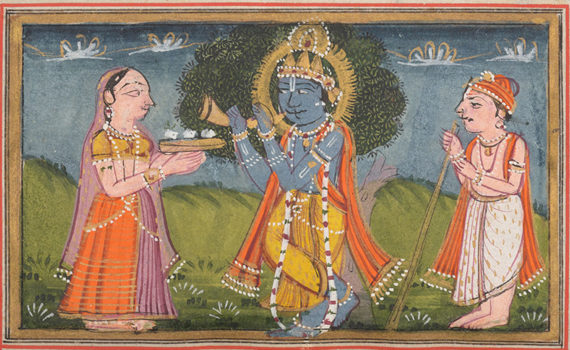
Highlighting the Importance of Sanskrit as the Language of Sacred Texts
Sanskrit is of paramount significance in Hinduism, particularly as the language of sacred texts. It is the language in which the Vedas, Upanishads, and many other essential scriptures are written. Sanskrit is regarded as a divine and timeless language, with profound spiritual and vibrational qualities.
Sanskrit is not merely a means of communication; it is considered a sacred language that carries the wisdom of ages. Its usage in the recitation of mantras and prayers is believed to invoke spiritual insights and elevate consciousness. The precise pronunciation and intonation of Sanskrit words are considered crucial for the efficacy of these rituals and spiritual practices.
Explaining the Vibrational Quality of Sanskrit Words and Their Healing Effects
Sanskrit words are known for their vibrational quality, which is believed to have a healing effect on the body and mind. Each sound in Sanskrit is associated with a specific vibration that resonates with the energy centers (chakras) in the human body. The vibrational harmony created by Sanskrit chants is thought to bring about balance and alignment in the practitioner, promoting physical and emotional well-being.
Sanskrit mantras and chants are used for meditation, prayer, and healing practices. The rhythmic and melodic qualities of these chants are not only soothing to the ear but also soothing to the spirit. This ancient language is a powerful tool for inner transformation and spiritual growth.
Discussing Rituals (Puja/Pooja) and Rangoli Art in Hindu Culture
Puja/Pooja
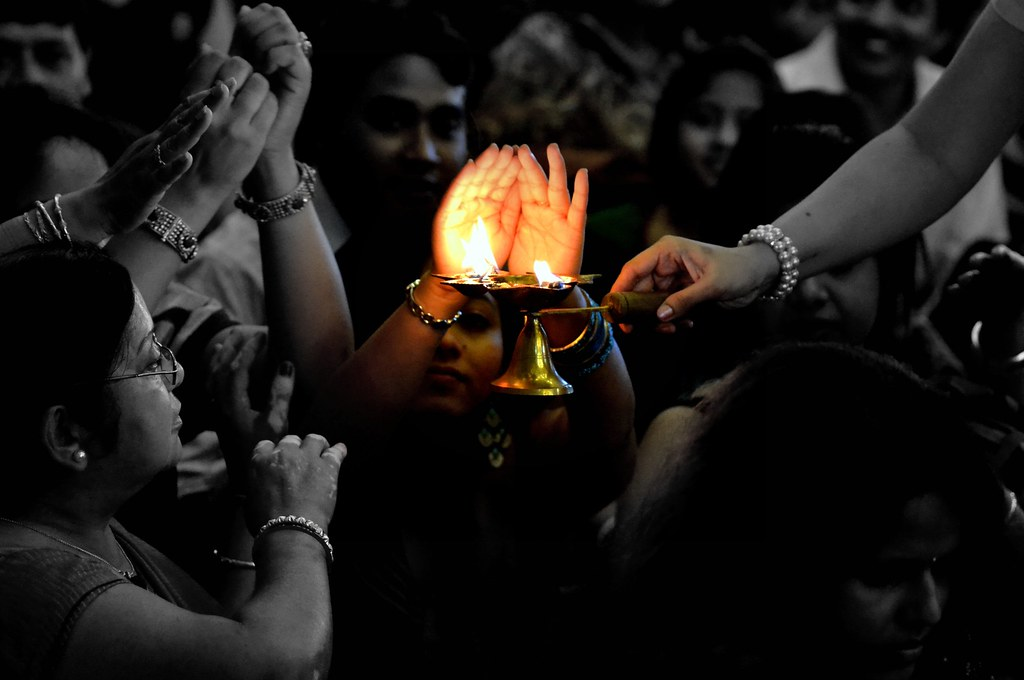
Puja, often referred to as pooja, is a significant ritual in Hindu culture. It involves the worship of deities, divine beings, and sacred symbols. The ceremony typically includes the lighting of a diya (candle or oil lamp), the offering of flowers, incense, and food, and the chanting of mantras to express gratitude and seek blessings. Puja serves as a means for Hindus to connect with the divine spark within and to cultivate a personal connection with the deities they revere.
Rituals like puja are performed at home or in temples and hold a central place in Hindu life. They provide a way for individuals to express their devotion, seek divine guidance, and maintain a spiritual connection in their daily lives.
Rangoli Art

Rangoli is a traditional art form that has its origins in India and is often associated with Hindu festivals and celebrations. It involves creating intricate and colorful patterns on the ground or floor using materials like colored sand, quartz powder, or flower petals. Rangoli designs vary in complexity and are crafted to symbolize welcome, prosperity, and the beauty of life.
Rangoli is not just a form of artistic expression but also a way of expressing unity with nature. Traditionally, the powder used for rangoli was made of rice, serving as a form of offering to ants and birds, symbolizing the interconnectedness of all life. It is a visually stunning and culturally rich tradition that adds to the vibrancy of Hindu festivals and celebrations.
In Hindu culture, language, rituals, and art are woven together to create a tapestry of traditions that deepen the spiritual and cultural experience. Sanskrit, with its vibrational qualities, adds a layer of sacredness to rituals, while rituals like puja and the art of rangoli serve as visual expressions of devotion and celebration.
Guru and Knowledge
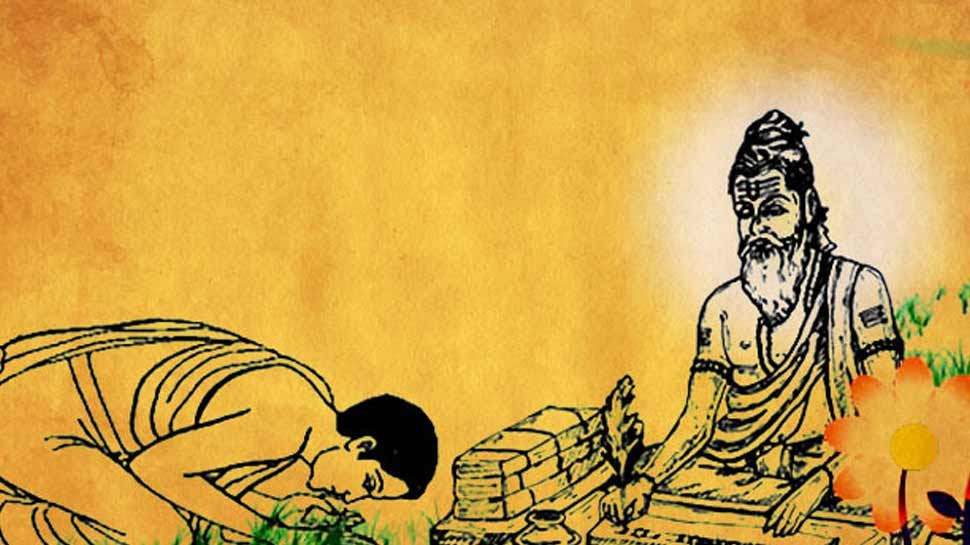
Defining the Role of a Guru in Hinduism
In Hinduism, a Guru holds a position of profound significance. The term “Guru” is derived from the Sanskrit words “gu” (darkness) and “ru” (light). A Guru is regarded as a spiritual teacher, guide, and mentor who leads individuals from the darkness of ignorance to the light of knowledge and wisdom. The Guru’s role extends far beyond that of a conventional educator; they serve as a sacred conduit for spiritual insights and divine guidance.
Explaining How a Guru is a Source of Wisdom and Guidance
A Guru is considered a source of wisdom and guidance in the spiritual journey. They possess deep knowledge of the sacred texts, rituals, and the profound teachings of Hinduism. It is the Guru’s responsibility to impart this knowledge to their disciples and help them navigate the complexities of life. Through their spiritual experience and understanding, Gurus provide answers to existential questions, offer moral and ethical guidance, and assist individuals in realizing their inner divinity.
The relationship between a Guru and their disciple is built on a foundation of trust, respect, and devotion. The disciple looks up to the Guru as a spiritual authority and source of inspiration. Gurus, in turn, invest their time and energy in nurturing the spiritual growth of their disciples, providing them with the tools to lead a virtuous and enlightened life.
Touching Upon the Attribute of Being a Teacher in the Guru’s Role
Being a teacher is one of the central attributes of a Guru’s role. Gurus are educators in the truest sense, as they teach not just academic or worldly knowledge, but the profound truths of existence, morality, and the path to spiritual realization. Their teachings encompass a wide range of topics, from meditation and yoga to ethical conduct and philosophical inquiry.
Gurus not only impart knowledge but also instill values and principles that guide their disciples’ lives. The role of a Guru as a teacher goes beyond the classroom or temple; it extends to being a mentor, counselor, and spiritual leader.
In Hinduism, the Guru-disciple relationship is considered sacred, and the bond between them is a source of strength and enlightenment. Gurus are revered for their wisdom, their ability to shine a light on the spiritual path, and their dedication to leading their disciples towards self-realization and a deeper understanding of the divine.
Hindu Contributions to Knowledge and Culture
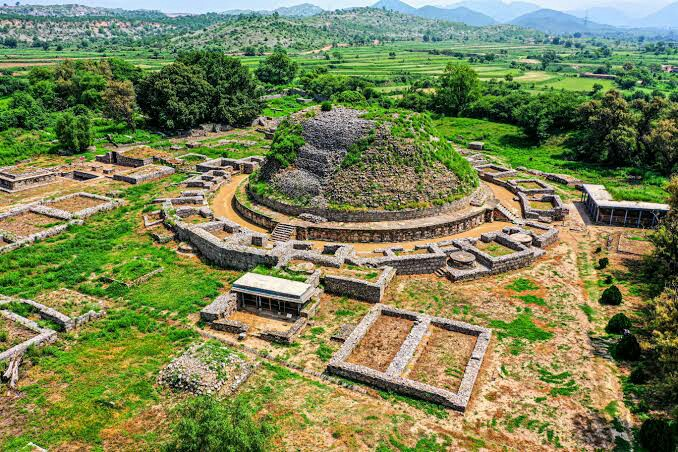
Discussing Hindu Contributions to Mathematics, Including the Concept of Zero and Other Mathematical Discoveries
Hindu culture has made significant contributions to the field of mathematics, leaving an indelible mark on the world’s knowledge and culture. One of the most renowned contributions is the concept of zero, which revolutionized mathematics. Hindu mathematicians, particularly Aryabhata and Brahmagupta, played pivotal roles in developing the concept of zero as a mathematical placeholder and the foundation of the decimal numeral system.
In addition to zero, Hindu mathematicians made other remarkable discoveries, including algebra, square roots, cube roots, geometry, trigonometry, and calculus. These mathematical innovations have had a lasting impact on the field of mathematics and continue to be integral to modern mathematics and science.
Highlighting the Role of Ayurveda in Holistic Health and Its Impact on the Field of Botany
Ayurveda, often referred to as the mother of indigenous health knowledge, is an ancient system of holistic health and healing developed in India. Ayurveda is deeply rooted in Hindu culture and philosophy, emphasizing balance in the body, mind, and emotions. It has contributed not only to the field of medicine but also to the study of plants and herbs, now known as botany.
Ayurveda’s comprehensive body of knowledge about medicinal plants and herbs has been instrumental in understanding the healing qualities of various botanical species. This knowledge has had a profound impact on herbal medicine and the development of pharmaceuticals. The integration of Ayurvedic principles into holistic health practices has also gained recognition worldwide.
Explaining the Origins of Games like Chess and Their Adaptation in Different Cultures
Many popular games have their origins in ancient Hindu culture, with Chess being one of the most notable examples. Chess, known as “chaturanga” in its early form, was developed in India during the Gupta Empire. The game’s name, “chaturanga,” means “four divisions of the military,” representing the infantry, cavalry, elephants, and chariotry.
Chess later spread to Persia, where it was known as “shatranj,” and from there, it reached the Islamic world and eventually Europe. The game evolved over time and eventually became the modern chess we know today. Its strategic and intellectual appeal has made it a global pastime.
Hindu culture’s contributions to various fields, including mathematics, medicine (Ayurveda), and games like Chess, have enriched human knowledge and culture. These contributions continue to influence and shape our understanding of the world and provide enduring value in today’s society.
Global Impact and Advocacy

Hindu soldiers made substantial contributions during both World Wars as part of the British Empire’s armed forces. An estimated 3.8 million Hindu soldiers volunteered and fought valiantly in these global conflicts. Their service and sacrifice were instrumental in the British war effort.
To commemorate the thousands of lives lost, a single memorial named Chattri can be found in Brighton, England. This site serves as a reminder of the Hindu soldiers’ contributions and the unity of diverse cultures in the pursuit of common goals during wartime.
Explaining the Concept of Ahimsa (Non-Violence) and Its Worldwide Embrace
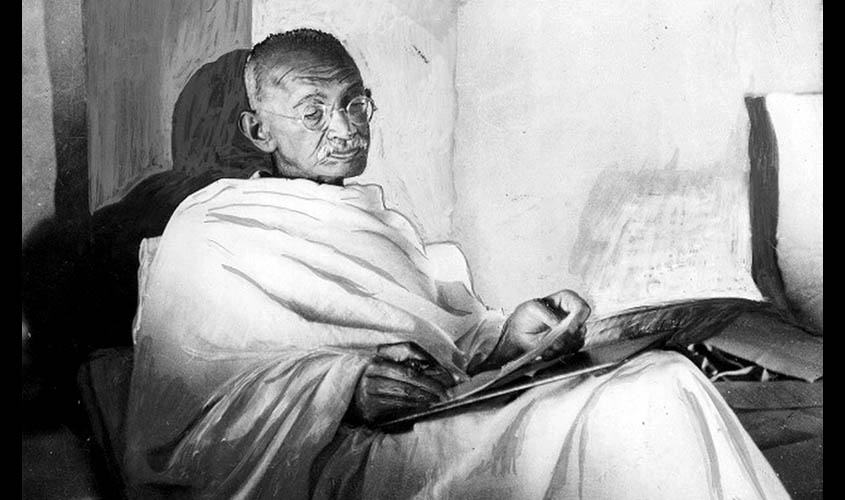
Ahimsa, a fundamental concept in Hinduism, emphasizes the principle of non-violence or doing the least harm. It’s the beautiful message of peace and non-violence embraced not only by Hindus but also by people around the world.
Ahimsa is a cornerstone of ethical and moral conduct. Its practice extends beyond refraining from physical harm to encompass non-violence in thought, word, and action. Mahatma Gandhi, a prominent advocate of non-violence, used Ahimsa as a central strategy in India’s struggle for independence. His principles of peaceful resistance had a profound influence on movements for justice and equality worldwide.
Mahatma Gandhi, often referred to as the “Father of the Nation” in India, was a pioneer of non-violent resistance and a symbol of peace. His philosophy of Ahimsa and Satyagraha (truth-force) became the driving force behind India’s independence movement against British colonial rule.
Gandhi’s impact extended far beyond India. His philosophy of non-violence inspired leaders like Martin Luther King Jr. in the United States and Nelson Mandela in South Africa. Both of these world-changing figures adopted Gandhi’s principles of peaceful protest and civil disobedience to advance their respective causes of civil rights and anti-apartheid movements. Gandhi’s teachings on non-violence continue to resonate as a powerful tool for social change and justice on a global scale.
Hindu culture’s contributions to global peace and advocacy for non-violence have left a lasting mark on the world. The sacrifices of Hindu soldiers in World Wars, the widespread embrace of Ahimsa, and the influence of leaders like Mahatma Gandhi illustrate the profound impact of Hindu values and principles on global peace and justice movements.
Hindu Festivals and Traditions
Diwali
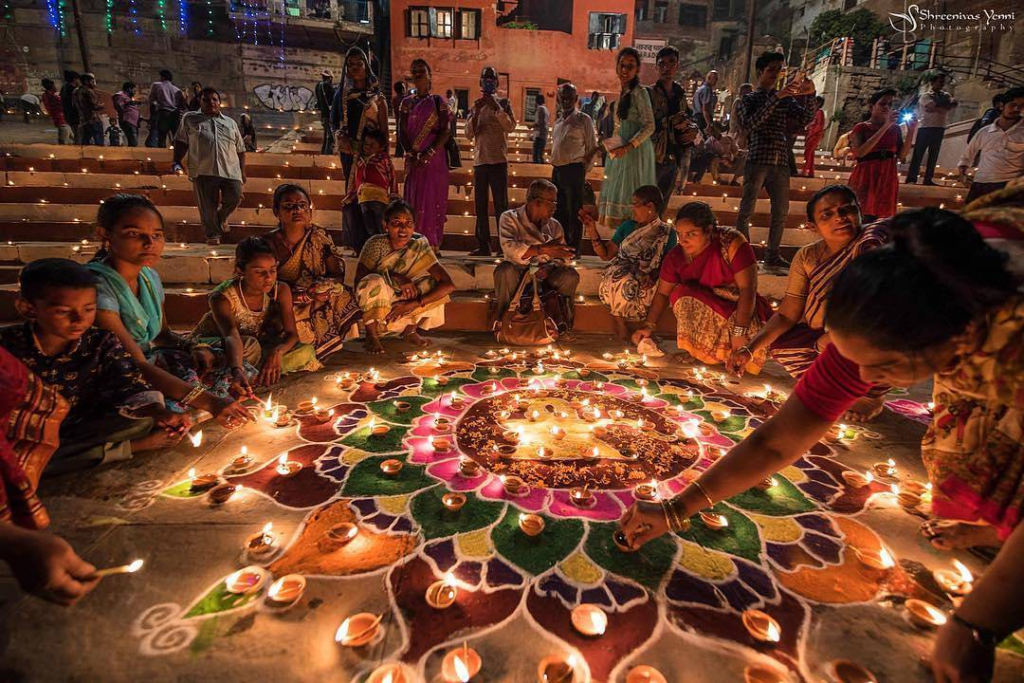
Diwali, also known as the Festival of Lights, is one of the most celebrated and widely recognized Hindu festivals. It marks the victory of light over darkness and good over evil. The festival typically lasts five days, with the main celebration occurring on the third day. People light oil lamps (diyas) and colorful lanterns, decorate their homes, exchange gifts, and offer prayers to the Goddess of Wealth, Lakshmi. Fireworks and the bursting of firecrackers are a customary part of the festivities.
Diwali is celebrated with much enthusiasm and unity. Families come together to clean and decorate their homes, share special meals, and exchange gifts. The lighting of lamps symbolizes the victory of light over darkness and the importance of inner illumination.
Holi
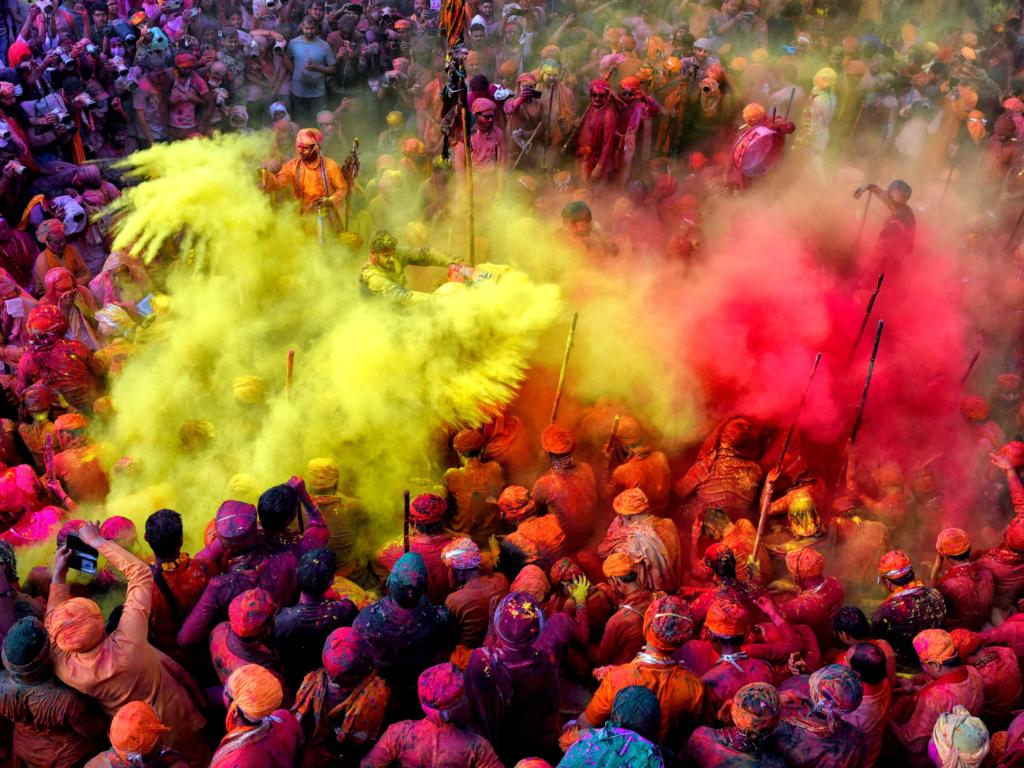
Holi, known as the Festival of Colors, is a vibrant and joyous Hindu festival celebrated with enthusiasm and fervor. It signifies the arrival of spring and the triumph of good over evil. Participants play with colored powders, throw water balloons, and engage in spirited processions. Holi is a time for merrymaking and the mending of relationships, as people seek forgiveness and reconcile with one another.
Holi is a time for communities to come together and celebrate with exuberance. People sing and dance, douse each other in colored powders, and enjoy festive foods. It fosters a sense of togetherness and encourages forgiveness and reconciliation.
Navaratri
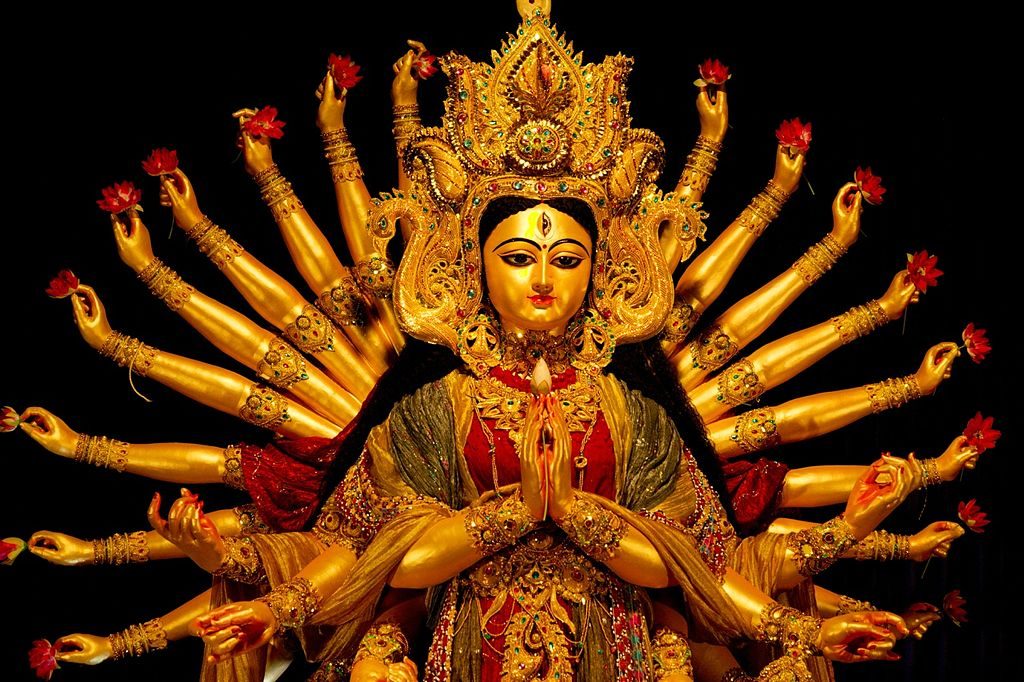
Navaratri, meaning “nine nights,” is dedicated to the worship of the Goddess Durga in her various forms. It is a period of intense devotion, fasting, and traditional dances like Garba and Dandiya Raas. Each night of Navaratri is associated with one of the nine forms of Durga. The festival culminates in Dussehra, which celebrates the triumph of good over the demon king Ravana.
Navaratri is a festival of devotion and spirituality. People gather in temples for prayers and dance rituals, strengthening their bonds with the community and celebrating the divine feminine energy represented by Goddess Durga.
These festivals are not only religious but also cultural celebrations that bring families and communities together. They promote unity, joy, and a sense of shared heritage, reinforcing the rich tapestry of Hindu culture and traditions.
Yoga and Meditation
Yoga and meditation are two of the most significant contributions of Hinduism to the world’s civilization. They represent profound spiritual practices and philosophies that have transcended cultural boundaries and become invaluable tools for promoting well-being, both mental and physical.
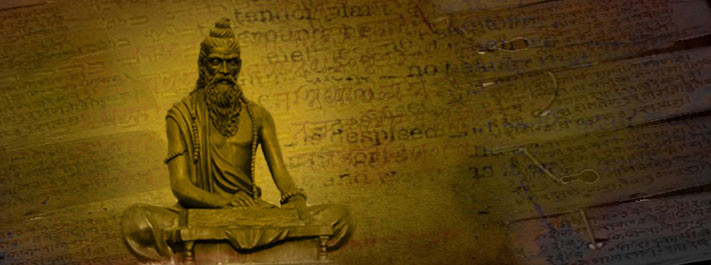
Yoga is a holistic system of physical and mental practices that seeks to achieve union and harmony between the body, mind, and spirit. It encompasses a wide range of techniques, from physical postures (asanas) to breath control (pranayama), concentration (dharana), and meditation (dhyana). Yoga is not just a set of exercises but a comprehensive path to self-realization and inner peace.
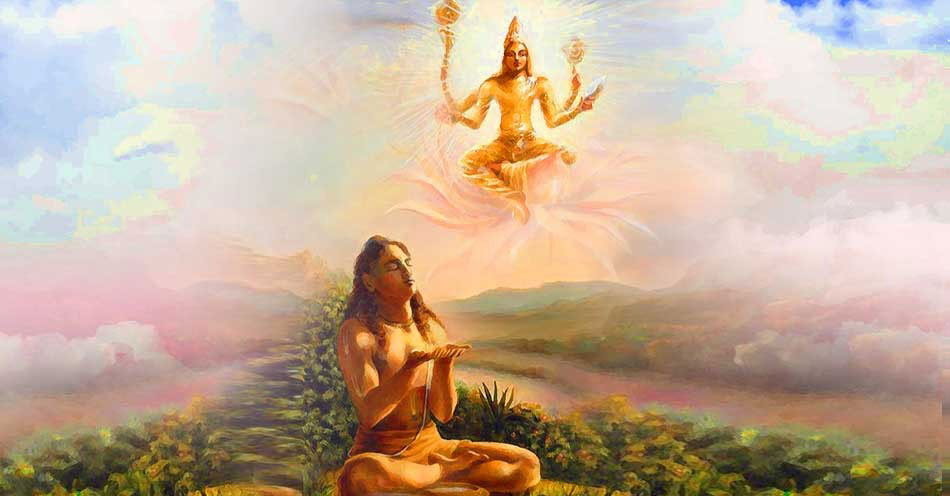
Meditation is a core component of yoga and a practice that has gained global recognition for its ability to calm the mind, reduce stress, and enhance mental clarity. Meditation encourages self-reflection and self-awareness, leading to a deeper understanding of one’s inner self and the world around them.
Mental Well-Being
Stress Reduction: Both yoga and meditation are effective stress management tools. They promote relaxation and alleviate the mental and emotional burdens of daily life.
Emotional Balance: Meditation helps individuals gain control over their emotions, fostering emotional resilience and equilibrium.
Mental Clarity: The practice of meditation enhances concentration and mental clarity, improving decision-making and problem-solving skills.
Self-Discovery: Meditation encourages introspection and self-exploration, aiding individuals in understanding their thoughts, emotions, and inner motivations.
Physical Well-Being
Flexibility and Strength: Yoga postures improve physical flexibility and strength, promoting a healthier body.
Balance and Posture: Yoga enhances balance and posture, reducing the risk of injuries and musculoskeletal problems.
Respiratory Health: Pranayama, a component of yoga, focuses on breath control, which can enhance lung capacity and respiratory health.
Stress Reduction: Both yoga and meditation are recognized for their ability to lower blood pressure, reduce heart rate, and mitigate the physical effects of stress.
Yoga and meditation are not just exercises but complete systems of well-being that offer benefits for the body, mind, and spirit. These practices, deeply rooted in Hindu culture, have been embraced globally for their transformative effects on mental and physical health. They continue to play a pivotal role in enhancing the overall quality of life for individuals worldwide.
The Symbolic “Bindi” and “Tilak”
The “bindi” and “tilak” are symbolic marks worn on the forehead in Hindu culture, each carrying unique significance and cultural relevance.
The bindi is typically worn by women and is a colored dot or decorative mark placed on the center of the forehead, between the eyebrows. It is often made of materials like colored powders, sindoor (vermilion), or adhesive stickers with various designs. The tilak, on the other hand, is a mark typically worn by both men and women and can come in various forms, including a straight line or a V-shape, and is made using substances like sandalwood paste, vermilion, or ash.
Bindi

Spiritual Significance: The bindi holds profound spiritual significance and is often referred to as the “third eye.” It is believed to represent the inner self, the soul, and the consciousness. The space between the eyebrows is considered a crucial energy center, and the bindi signifies the awakening of one’s spiritual vision and intuition.
Cultural Relevance: In Hindu culture, the bindi is not merely an ornament but also a cultural marker. Different regions and communities in India have their unique styles and colors of bindis. It can signify marital status, regional identity, or simply be a form of adornment. Additionally, the bindi adds a touch of grace and beauty to a woman’s appearance, enhancing her overall presence.
Tilak

Religious Symbolism: The tilak is often applied as a mark of devotion and worship. It can symbolize one’s allegiance to a particular deity or sect within Hinduism. Different colors and shapes of the tilak may represent different deities or traditions. For example, a red tilak may symbolize devotion to Goddess Durga, while a white tilak is associated with Lord Shiva.
Cultural Relevance: The tilak is a common practice during religious ceremonies, festivals, and rituals. It is also applied when visiting temples or participating in religious activities. The tilak carries a sense of sanctity and is an outward expression of one’s religious and spiritual affiliation.
Both the bindi and tilak are not only symbols of cultural identity and spiritual devotion but also expressions of beauty and grace. They serve as reminders of the rich tapestry of Hindu culture and the intertwining of the spiritual and the aesthetic in everyday life.
Conclusion
In summary, Hindu Heritage Month is a celebration of the rich tapestry of Hindu culture, history, and contributions to society. As we’ve explored throughout this blog post, this month offers a remarkable opportunity to recognize and appreciate the invaluable role Hindu Canadians have played and continue to play in Ontario’s social, economic, political, and cultural fabric.
We have delved into the significance of Hindu Heritage Month, which is celebrated every November, offering an occasion to remember, celebrate, and educate future generations about Hindu Canadians. We’ve explored the themes and traditions associated with this month, such as the 2020 theme “OM Shanti: Living together in Peace,” and how it symbolizes the quest for inner harmony and unity.
Hinduism, as the world’s oldest living religion, was a focal point of our discussion. We’ve touched on core beliefs, principles, and the concept of divinity within all beings. We’ve explored the importance of values like karma, reincarnation, and the ultimate pursuit of Moksha. Hinduism’s belief in one God, Paramatma or Brahman, and the freedom to worship God in various forms was emphasized, as was the role of spiritual Gurus in guiding individuals on their spiritual paths.
We’ve also highlighted Hindu contributions to knowledge and culture, such as the concept of zero, Ayurveda’s influence on holistic health and botany, and the origins of games like Chess. The global impact of Hindu soldiers in the World Wars, the philosophy of Ahimsa, and the inspirational role of Mahatma Gandhi in promoting world peace and inspiring leaders like Martin Luther King and Nelson Mandela have underscored Hinduism’s contributions to global advocacy.
The significance of Hindu festivals like Diwali, Holi, and Navaratri in promoting cultural unity and the celebration of these festivals was discussed. We’ve explored how yoga and meditation, both rooted in Hinduism, promote mental and physical well-being, and have become integral practices worldwide.
Finally, we’ve unraveled the meaning and cultural significance of the symbolic “bindi” and “tilak,” which adorn foreheads as a reflection of spirituality and cultural identity.
In closing, recognizing and celebrating Hindu Heritage Month is an acknowledgment of the incredible diversity and contributions that enrich Ontario and Canada. It is a call to appreciate the values, traditions, and teachings of Hindu culture. By understanding the deep-rooted significance of Hinduism and its multifaceted impact on society, we can foster greater unity, inclusivity, and cultural appreciation.
Let us embrace the rich tapestry of Hindu culture and contributions and encourage open dialogue and learning, fostering a world where diverse heritages are celebrated and valued. In doing so, we take another step toward creating a more inclusive and harmonious society where all voices are heard and respected.