-
As You Believe, So You Live: Hindu Dharma’s Science of Mindset, Health, and Longevity

This long-form analysis explores how dharmic wisdom—Hinduism, Buddhism, Jainism, and Sikhism—anticipated modern findings on the mind-body connection by showing that belief (śraddhā, bhāva) measurably shapes healthspan and longevity. It integrates Bhagavad Gita and Yoga Sūtra insights with Ayurveda’s sattvavajaya and rasāyana, and aligns them with contemporary stress biology, autonomic regulation, and immune resilience. Practical guidance…
-
From Burnout to Balance: A London Surgeon’s Evidence-Based Blueprint for Energy, Sleep, and Calm

A London-trained surgeon transitioned from heroic overwork to evidence-based self-care by treating fatigue as physiological data, not a moral failing. The narrative explains how subtle autonomic imbalance, circadian disruption, and mitochondrial stress can produce “tired but wired” states even with normal lab results. Practical changes—sleep regularity, morning light, 30 minutes of daily walking, Mediterranean-style nutrition,…
-
Facing Cancer as Krishna’s Embrace: Evidence‑Based Care, Dharmic Resilience, and Hope

A recent diagnosis of secondary cancer in a cervical lymph node is reframed as “Krishna’s Embrace,” integrating evidence‑based oncology with steadiness drawn from Dharma, Meditation, Yoga, and Bhakti. The narrative explains what “secondary cancer” means, outlines why PET‑CT, endoscopy, and pathology are pivotal, and clarifies how biomarkers like p16 and EBV guide therapy. It emphasizes…
-
Detailed, Reassuring Hospital Update: HH Śivarāma Swami’s Recurring Fever and Care in Budapest

HH Śivarāma Swami has provided a direct health update from a Budapest hospital after recurring fever episodes began soon after returning from Vrindavan. The fevers have followed roughly ten‑day cycles, prompting admission for comprehensive diagnostics and careful monitoring. This analysis explains what clinicians mean by recurrent fever and fever of unknown origin (FUO), outlining typical…
-
Beyond the Scale: Science-Backed Measures of Strength, Health, and True Self-Worth

A bathroom scale reports only mass under gravity; it cannot quantify strength, body composition, resilience, energy, or confidence. This analysis explains why daily weight fluctuates substantially due to glycogen, water, sodium, hormones, and circadian factors—and why BMI alone is a limited tool for individual health. It details superior indicators such as waist-to-height ratio, DEXA trends,…
-
Dry January, APOE Risk, and Midlife Brain Health: Surprising, Evidence-Based Gains in Sleep and Focus

A month without alcohol became a practical case study in midlife brain health, shaped by family history and an APOE-linked elevation in Alzheimer’s risk. Choosing a clear, all-or-nothing boundary reduced decision fatigue and revealed how quickly the reward system shifts to alternative stimuli, notably sugar. Despite brief weight gain and a transient flare of hormonal…
-
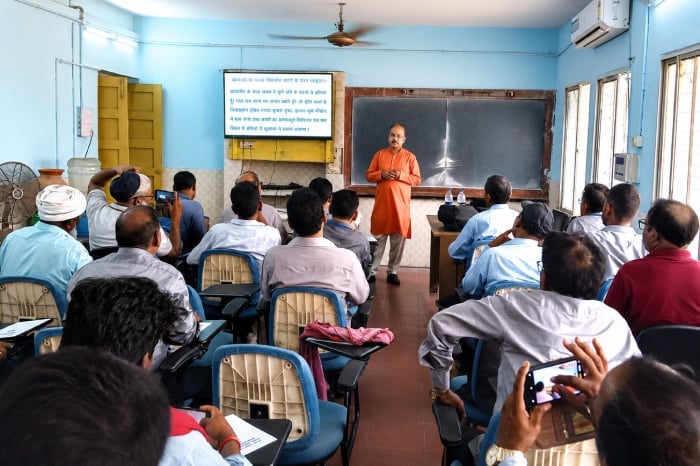
Faridabad Yoga Workshop by HJS & Jeev Kalyan Sansthan Boosts Holistic Health and Focus

Hindu Janajagruti Samiti and Jeev Kalyan Sansthan hosted a focused Yoga Workshop in Sector 19, Faridabad, where 19 participants explored foundational asanas and pranayama for holistic health and self-development. The program emphasized safe alignment, breath regulation, and reflective rest to improve mobility, postural integrity, and autonomic balance. Instruction framed nasal, diaphragmatic breathing as the cornerstone…
-
Healthy Jiva Seminar Insights: Harnessing Vedic Wisdom for Body–Mind–Atma Harmony and Resilience

The “Healthy Jiva” seminar by HH Bhanu Swami (Fri 06 Mar 2026) distilled a Vedic, evidence-aligned model of health that integrates the gross body, the subtle body, and the atma. It explained how imbalances propagate across layers, clarifying why mind-body practices such as asana, pranayama, meditation, and bhakti stabilize well-being. Drawing on tri-sharira, pancha-kosha, and…
-
Jvarabhagnamurti: Lord Shiva’s Healing Power to End Illness and Restore Well‑Being

Jvarabhagnamurti, the healing form of Lord Shiva, is venerated as the destroyer of unhealthy states that disturb body, mind, and spirit. This tradition promotes a holistic view of health that harmonizes spiritual practice with responsible self-care and medical guidance. Devotee experiences point to greater calm, resilience, and adherence to healthy routines through steady remembrance and…
-
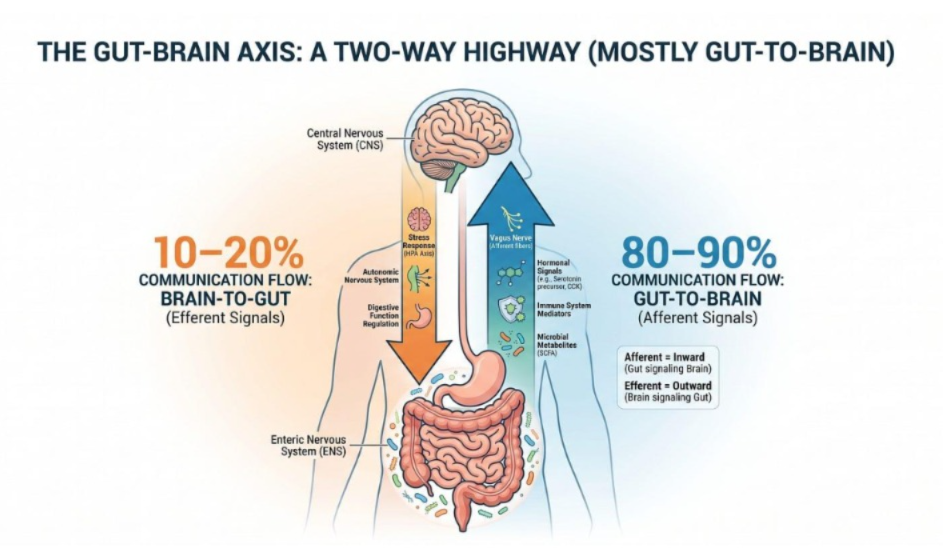
Joyful Healthy Eating: Simple Cooking Habits for Better Gut Health, Calm Focus, and Vitality

Healthy eating becomes sustainable when small, repeatable habits replace rigid rules and decision fatigue. A skills-based, no-recipe approach builds confidence to assemble simple, satisfying meals from what is on hand. Prioritizing gut health supports steadier energy, fewer cravings, clearer thinking, and often healthier skin. Dharmic traditions converge on these principles—Ayurveda’s focus on agni and sattva,…
-
From Thinness to Strength: A Science-Backed Path to Healing Metabolism, Mindset, and Joy

A rigorous shift from thinness to strength reframed fitness as capability rather than restriction. By replacing endless cardio with evidence-based resistance training, progressive overload, and adequate protein intake, this approach supports metabolic health, bone density, and everyday vitality—especially for midlife women. It also confronts gym anxiety with practical perspective and replaces diet-culture myths with science-backed…
-
Ahara and Vihara Made Practical: Transform Health with Ayurveda’s Time-Tested Vedic Wisdom

Ayurveda’s twin pillars—Ahara (nutrition) and Vihara (conduct of life)—offer a practical, science-aligned path to sustained well-being. Emphasizing fresh, seasonal foods and consistent mealtimes strengthens digestion and energy. Sleep hygiene, gentle Yoga, Pranayama, and mindful pauses cultivate emotional steadiness and mental clarity. Dinacharya and Ritucharya provide daily and seasonal structure, enhancing circadian alignment. Dharmic traditions—Buddhism, Jainism,…
-
Chamatkari Health Totke: अच्छा स्वास्थ्य के लिए सरल, Holistic Upay और परिवार की समृद्धि

Many families experience recurring illness that affects everyone’s peace of mind. Health Totke, remembered as Chamatkari Upay, offer practical, culturally rooted ways to support अच्छा स्वास्थ्य, reduce stress, and strengthen family bonds. Framed inclusively, these traditions complement Ayurveda-inspired routines and modern care by reinforcing hygiene, discipline, and gratitude. Shared Dharmic values—shaucha, karuna, ahimsa, and sewa—unify…
-
Planets and Health Decoded: Ayurvedic, Dharmic Insights for Body–Mind Balance and Healing

This article explores how planetary correspondences—grains, colors, shapes, birds, animals, and even the fingers—serve as a contemplative map for holistic health within Ayurveda and related dharmic traditions. It explains the macrocosm–microcosm idea in an academic yet accessible manner, showing how symbolic associations can guide gentle, personalized routines. Readers gain practical suggestions—mindful breathing, light exposure, simple…
-
Planets and Well-Being: Dharmic Insights on Macrocosm–Microcosm Harmony and Health

This article explores the dharmic idea that macrocosm and microcosm reflect one another, framing health as harmony between cosmic rhythms and human life. It explains how traditional mappings link planets to colors, grains, animals, body regions, and even fingers, using these correspondences as contemplative tools rather than deterministic claims. Readers learn how gentle mudras, mindful…
-
Dhara in Ayurveda: The Calming Kerala Ritual Bringing Deep Relaxation and Clarity
Dhara is a renowned Kerala Ayurveda therapy in which a warm, medicated herbal oil flows in a continuous stream over the forehead to encourage calm and clarity. Conducted for about 60–120 minutes without interruption, it exemplifies Ayurveda’s precise, holistic approach to relaxation and mind–body balance. Traditionally associated with relief in stress-related states, tension, and chronic…
-
Essential Health Update: HH Jayapataka Swami’s Care Plan, Progress, and Community Support

In recent days, HH Jayapataka Swami Mahārāja has had episodes of bloody sputum, intermittent fever, and increased oxygen needs due to thick mucus plugs in the lungs. Regular medications, nebulization, and intensive chest physiotherapy have provided temporary improvement, followed by recurrent congestion. The care plan emphasizes airway clearance, targeted nebulizations, and carefully titrated oxygen therapy…
-
The Complete Midlife Grief Guide: Discover Healing Boundaries for Frozen Shoulders

Midlife often arrives with anticipatory grief: a quiet, persistent weight carried in the body as parents age and roles shift. This analysis follows one daughter abroad as she confronts Parkinson’s in her mother, constrained travel, and caregiving guilt that settles into a frozen shoulder. It integrates biomedical understanding of adhesive capsulitis with a dharmic, body–mind…
-
Essential Insights: Discover How Krishna Consciousness Supports Proven Mental Health Care

Devotees often find that sincere chanting, meditation, and scriptural study provide deep solace—yet there are times when evidence-based psychiatric care is essential. This piece explains how Krishna consciousness and modern mental health treatment work together, not in opposition. Practical guidance helps communities recognize when to seek clinical assessment while sustaining daily sadhana. The approach reduces…