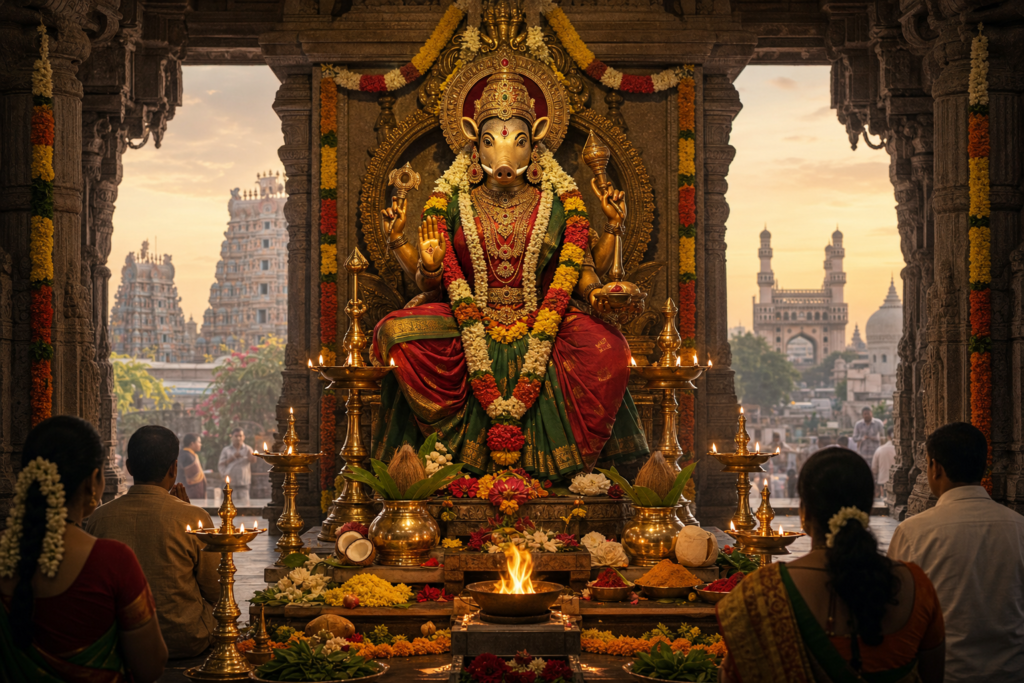
Purushaartha presents a comprehensive framework for a balanced life in the Hindu way of life, integrating Dharma (ethical order), Artha (prosperity), Kaama (meaningful desire), and Moksha (liberation). Rather than competing aims, these four are complementary pillars in Vedic philosophy, guiding practical choices while orienting one toward inner freedom. When Artha and Kaama arise naturally with changing life needs, they are best pursued under the governance of Dharma, thereby preparing the ground for the higher aspiration of Moksha.
Artha and Kaama are not rejected; they are refined. Ethical prosperity sustains family, society, and learning; ennobled desire intensifies creativity, affection, and aesthetic appreciation. The Bhagavad Gita’s spirit of karma yoga and the Upanishadic insight into non-possessiveness suggest that fulfilling needs without excess, and enjoying life without bondage, lays a steady path toward clarity and peace. In this alignment, Dharma functions as a compass, Artha as stewardship, Kaama as cultivated taste, and Moksha as the ultimate horizon.
A practical decision framework helps integrate all four. First, ask whether a choice accords with Dharmanon-harming (Ahimsa), honesty, responsibility, and fairness. Next, assess Artha through right livelihood and transparent means, recognizing wealth as a tool for service (seva), learning, and stability. Then elevate Kaama by seeking quality over quantitypreferences shaped by beauty, restraint, and long-term well-being (Aparigraha). Finally, keep Moksha in view through regular study, contemplation, and meditation, transforming daily action into a field for inner freedom.
Daily disciplines consolidate this integration. Karma yoga turns ordinary duties into spiritual practice through sincerity and non-attachment to personal gain. The triad of yajna–dana–tapas (offering, generosity, and self-discipline) purifies motives and aligns resources with shared good. Yoga and meditation cultivate steadiness of mind, while reflective study of the Bhagavad Gita and the Upanishads nurtures discernment. Even brief, consistent practicemindful breathwork, gratitude, and silent sittingshifts Artha and Kaama from compulsion to conscious choice.
Life stages (ashramas) illuminate how Purushaartha evolves. In the grihastha phase, one legitimately emphasizes Artha and Kaama within the bounds of Dharmacaring for elders, mentoring the young, building institutions, and contributing to community resilience. As obligations lighten, greater emphasis naturally shifts to study, contemplation, and service. Throughout, the aim is not abrupt renunciation but intelligent simplification, increasing sattva (clarity) through diet, speech, and association.
Guardrails for Artha maintain integrity and sufficiency. Right livelihood avoids exploitation and environmental harm, while transparent accounting builds trust. Regular dana (charity) and planned giving reframe wealth as responsibility rather than identity. Simple practicessetting ethical non-negotiables, keeping needs distinct from wants, and committing a portion of income to education and relieftransform Artha into a source of collective uplift.
Guardrails for Kaama preserve dignity and depth. Desire matures through mindful restraint, gratitude, and aesthetics that elevate rather than agitate. Healthy relationships, loyalty, and truthful communication protect the sanctity of affection. Creative arts, pilgrimage, and study refine the palate of pleasure, shifting focus from indulgence to appreciation. In this way, Kaama supports psychological balance and cultural continuity, rather than entanglement.
Orientation toward Moksha brings the whole enterprise to fruition. Whether through jnana (inquiry), bhakti (devotion), or dhyana (meditation), the practice is to observe experience without grasping, allowing wisdom to ripen. Shravan–manan–nididhyasan (learning, reflection, deep contemplation) anchors insight so that even success and setback become teachers. Over time, actions remain engaged, yet the sense of doership loosens; fulfillment is recognized as inward and unconditional.
Common pitfalls are recognizable and remediable. Spiritual bypassing neglects duties in the name of detachment; its remedy is conscientious action. Guilt around wealth or desire fuels suppression; its remedy is alignment and gratitude. Extremes of austerity or indulgence destabilize; their remedy is moderation and steady practice. Measuring progress by a calmer mind, kinder speech, fairer decisions, and dependable service offers a practical barometer across all four aims.
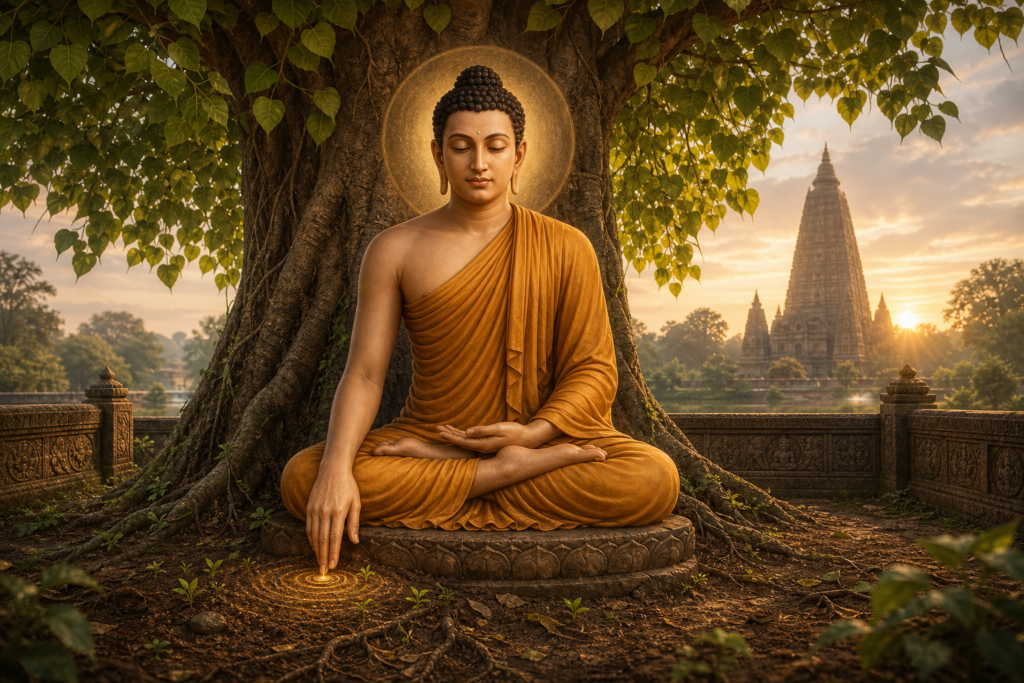
This vision resonates across dharmic traditions and supports interfaith harmony. Buddhism’s Dhamma and Right Livelihood parallel Dharma-guided Artha; mindful observation transforms desire, and Nirvana aligns with liberation. Jainism’s Ahimsa and Aparigraha sharpen ethical boundaries and restraint. Sikh teachings such as kirat karo (earn by honest means), vand chhako (share), and Naam simran (remembrance) integrate livelihood, generosity, and contemplation. These convergences highlight shared commitments to ethics, compassionate living, and inner freedom, fostering unity without erasing distinct paths.
Ultimately, Purushaartha is both compass and curriculum. Dharma gives direction, Artha supplies strength, Kaama lends warmth, and Moksha grants perspective. Lived with discernment and care, this synthesis cultivates prosperity without bondage, joy without excess, and freedom without withdrawalan integral path where personal well-being and the common good advance together.
Inspired by this post on Hindu Pad.