The evolution of Dakshina Kali in Bengal reflects a remarkable journey from a fierce, battlefield deity to a compassionate household presence. Rooted in the Devi Mahatmya of the Markandeya Purana, Kali first appears as an awe-inspiring manifestation emerging from the wrath of Goddess Durga to defeat adharma. Over centuries, Bengal’s spiritual landscape softened and reinterpreted this primordial force, giving rise to Dakshina Kalithe benevolent, protective Mother whose image now graces countless home shrines across the region.
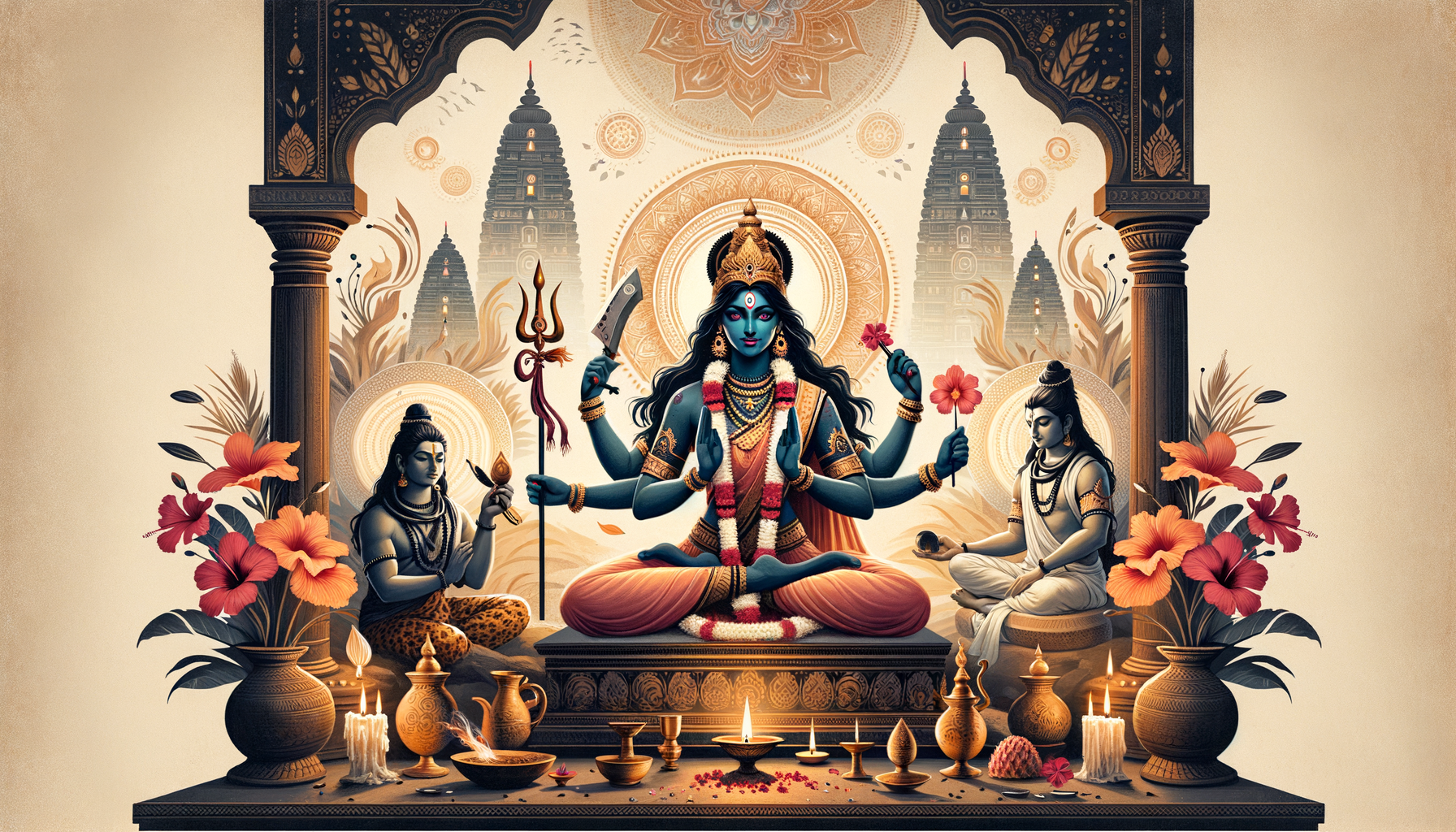
Early Bengal’s religious milieushaped by Shakta Tantra during the Pala and Sena periodsprovided fertile ground for Kali’s worship to flourish. In this context, iconography began to differentiate mellan forms: in Dakshina Kali, the right foot rests upon Shiva, signaling a gentler, auspicious disposition distinct from the more terrifying Śmaśāna Kali. The consistent featuresfour arms bearing the sword and severed head alongside gestures of fearlessness and boon-givingconveyed both the dissolution of ignorance and the bestowal of grace. This nuanced iconography made it possible for devotees to perceive Kali not only as a warrior against evil but as a nurturing presence safeguarding family and community.
The transition of Kali worship from forests and temple precincts to the intimacy of the home gathered momentum in early modern Bengal. Bhakti poetryespecially the songs of Ramprasad Senreframed Kali as the tender, approachable Mother, inviting devotion marked by love rather than fear. As Kalighat painting workshops and vernacular printing presses spread in the 18th and 19th centuries, affordable images of Dakshina Kali entered living spaces, normalizing household worship. The annual observance of Kali Puja, coinciding with the pan-Indian festival of Deepavali, further anchored Kali’s presence in domestic life.
Nineteenth-century Bengal contributed decisive theological and experiential depth to this transformation. The spiritual life of Sri Ramakrishna at Dakshineswar and the interpretive work of Swami Vivekananda presented Kali as the Mother of the universeterrible in aspect when confronting ignorance, yet boundless in compassion when guiding seekers to wisdom. This synthesis helped devotees reconcile the paradox of Kali’s fearsome imagery with her intimate, protective role at home, strengthening a devotional culture that was both philosophically rigorous and emotionally resonant.
Domestically, Dakshina Kali worship emphasizes simplicity, reverence, and adaptability. Families light lamps, draw alpona, and offer flowers, sweets, and seasonal fruits, aligning practices with local customs and dietary preferences. In many homes, evenings of Amavasya, especially during Kali Puja, become a time for collective recitation of stotras, quiet contemplation, and intergenerational storytelling. For many, the soft glow of a lamp before Kali invokes memories of grandmothers’ hymns, fathers’ careful ritual preparation, and the reassuring rhythm of community lifean affective continuity that turns the household into a living sanctuary.
Historically significant sites such as Kalighat and the Dakshineswar Kali Temple have shaped the popular imagination of what household devotion can be. Pilgrimage experiences and temple ritualsstreamlined for home practicehave encouraged a form of worship that is both orthodox in sentiment and practical in execution. This dynamic harmonizes textual authority from sources like Devi Mahatmya with the vernacular heart of Bengal’s cultural heritage.
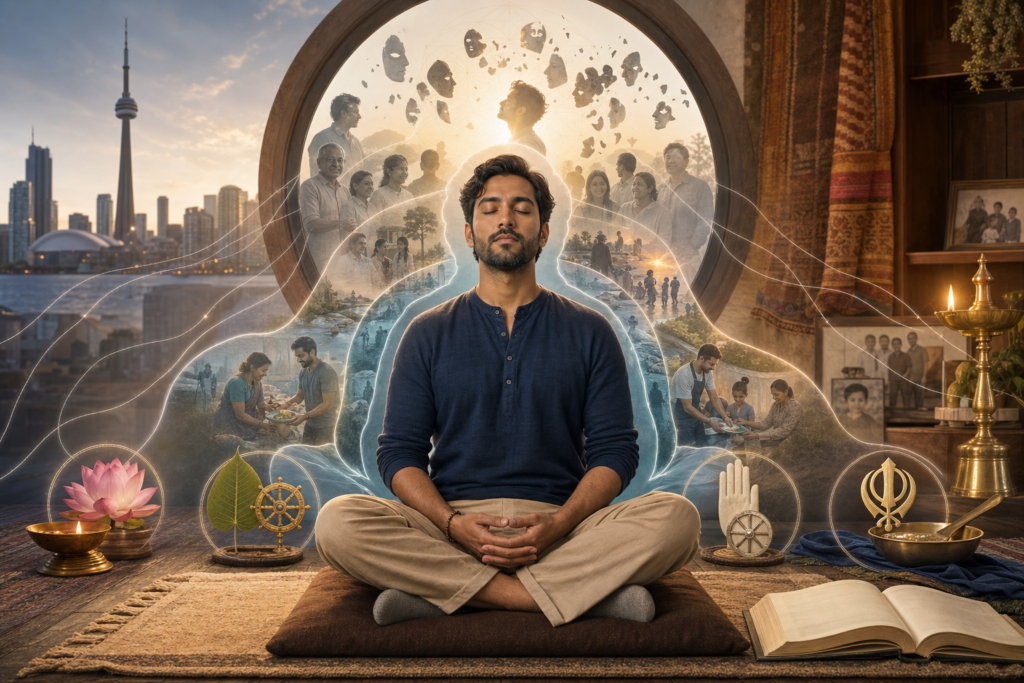
Importantly, the gentle rise of Dakshina Kali within homes resonates with a wider dharmic ethos shared across Hinduism, Buddhism, Jainism, and Sikhisman ethos that upholds compassion, ethical living, and the pursuit of inner tranquility. In Bengal’s plural spiritual landscape, Kali’s role as a protector and liberator aligns with the universal aspiration to overcome suffering and cultivate love and service. This shared moral horizon supports unity among dharmic traditions, encouraging mutual respect and reinforcing a cultural fabric where diverse paths coexist in harmony.
Today, the origin story of Dakshina Kali’s household worship in Bengal stands as a testament to cultural adaptability and spiritual depth. From the battlefield vision of Devi Mahatmya to the lamp-lit serenity of a home shrine, the journey reveals how communities reinterpret sacred symbols to meet the needs of family life, ethical reflection, and collective well-being. In that gentle transformation, Bengal preserves both the power and the tenderness of the Divine Mother, ensuring that devotion remains as intimate as it is profound.
Inspired by this post on Hindu Blog.