Tag: Ancient Bengal

  • Unlocking Susunia’s Sudarshana Secret: Chakrasvamin, Gupta Power, and Bengal’s Living Dharma

    Unlocking Susunia’s Sudarshana Secret: Chakrasvamin, Gupta Power, and Bengal’s Living Dharma

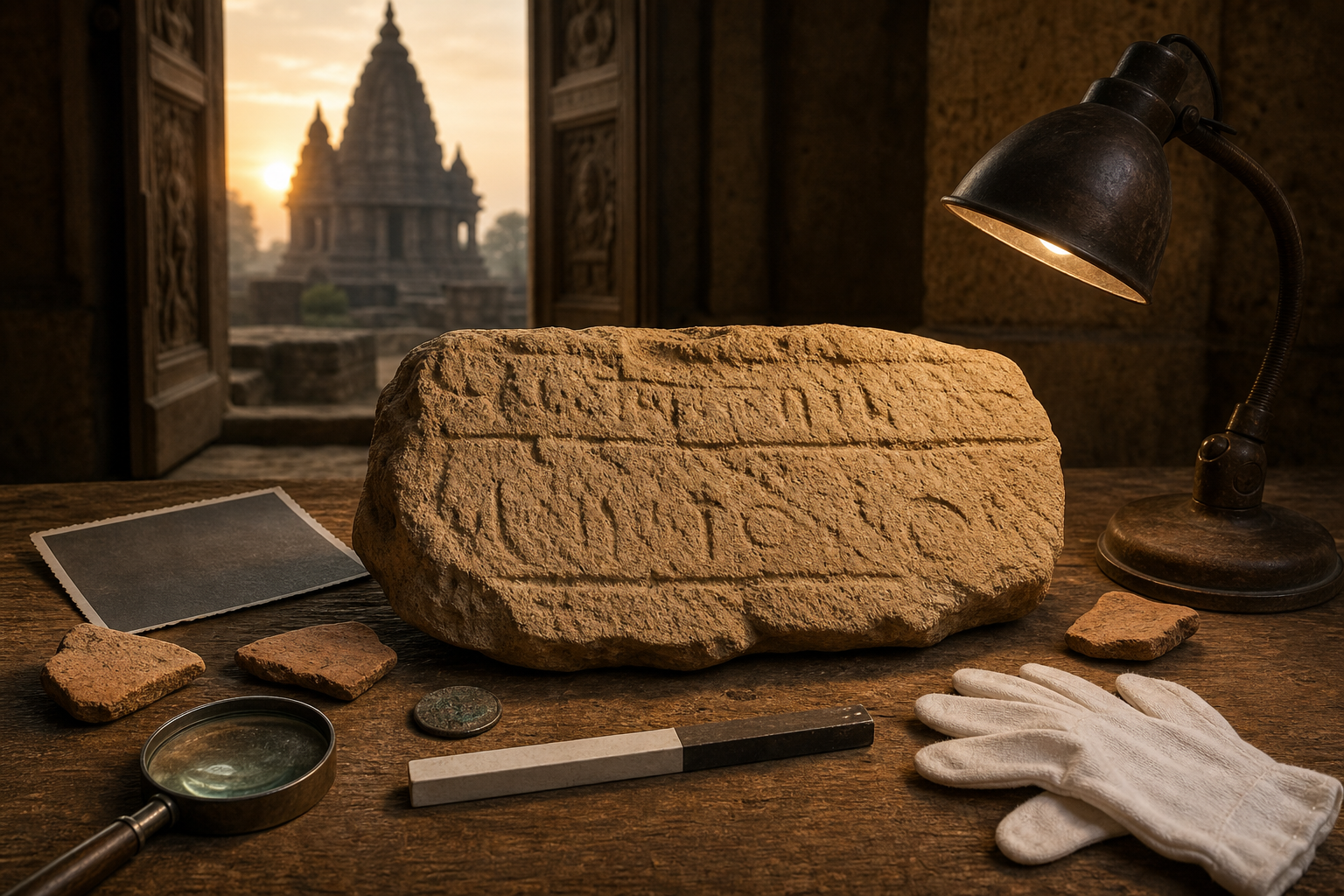
    Susunia Hill’s fourth-century rock inscription offers a compact yet sweeping window into Bengal’s Vaishnava heritage under the Gupta Empire. Three Sanskrit lines in northern Brahmi, carved beneath a blazing Sudarshana Chakra, identify Maharaja Chandravarman as dāsāgreṇa of Cakrasvāmin and connect Vanga-deśa directly to Āryāvarta through the Prayaga Prasasti. This essay traces the Cakrasvāmin sect’s spread…

  • Unconquerable Love in Epics: Behula and Savitri’s Sacred Quests and Dharmic Resilience

    Unconquerable Love in Epics: Behula and Savitri’s Sacred Quests and Dharmic Resilience

    Behula from Manasamangal Kavya and Savitri from the Mahabharata reveal how unwavering love, disciplined practice, and moral intelligence can transform fate into compassion and balance. Readers gain a clear comparative analysis of Bengali folklore and Sanskrit epic traditions, including narrative context, symbolism, and ethical method. The discussion highlights common dharmic values—compassion, responsibility, and resilience—recognizable across…

  • Lakshmi Shora of Bengal: Revered Clay Discs and the Living Heritage of Kojagari Puja

    Lakshmi Shora of Bengal: Revered Clay Discs and the Living Heritage of Kojagari Puja

    Lakshmi Shora (Lakshmi Sora) are painted clay discs central to Kojagari Lakshmi Puja and Thursday worship in Bengal, preserving an intimate form of household devotion. Crafted by traditional potters and adorned with lotus, owl, and grain motifs, each shora embodies layered symbolism—earthy humility, cyclical abundance, and alert wisdom. The ritual centers the home with alpona,…

  • Begho Bhoot of Bengal: Haunting Tiger Spirits and Sacred Ecology of the Sundarbans

    Begho Bhoot of Bengal: Haunting Tiger Spirits and Sacred Ecology of the Sundarbans

    This exploration of Begho Bhoot in Bengal folklore examines the tiger-linked spirits of the Sundarbans as a cultural expression of fear, reverence, and environmental wisdom. It clarifies the term’s etymology from bagh (tiger) and situates the belief within local lifeworlds shaped by tiger-human conflict. Readers learn how these narratives function as cautionary guides, supporting safe…

  • From Battlefield to Home Shrine: The Gentle Rise of Dakshina Kali in Bengal’s Devotion

    From Battlefield to Home Shrine: The Gentle Rise of Dakshina Kali in Bengal’s Devotion

    This article traces how Dakshina Kali, first revealed in the Devi Mahatmya as a ferocious force of dharma, became a compassionate presence in Bengali homes. It explains the iconographic shift to the gentler Dakshina Kali and shows how Shakta Tantra, bhakti poetry, and popular art enabled domestic worship. The roles of Kalighat, Dakshineswar, and 19th-century…

  • When Bakhtiyar Khalji Wiped out Gauda-Desa from Existence

    When Bakhtiyar Khalji Wiped out Gauda-Desa from Existence

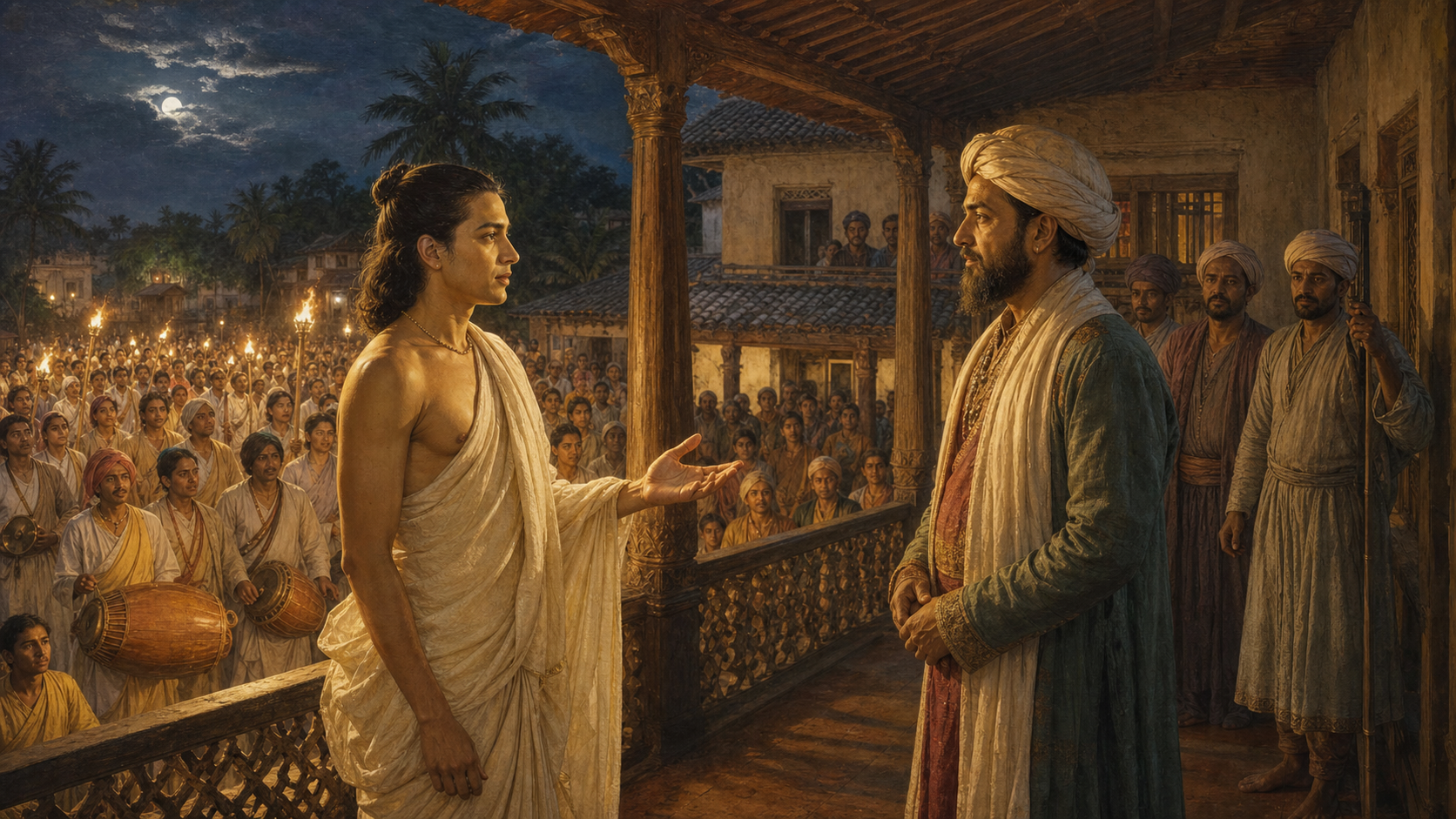
    Bakhtiyar Khalji’s catastrophic devastation of the ancient city of Gaur marked a pinnacle in his career of plunder and genocide. Gaur, a historic center of Sanskrit learning and Hindu culture, was thoroughly obliterated, replaced by Islamic structures. This transformation permanently altered Bengal’s cultural and religious landscape, erasing its Sanatana past.