-
Vermilion Box (Sindoor Dabi): Goddess Lakshmi’s Grace, Prosperity Rituals, and Living Heritage

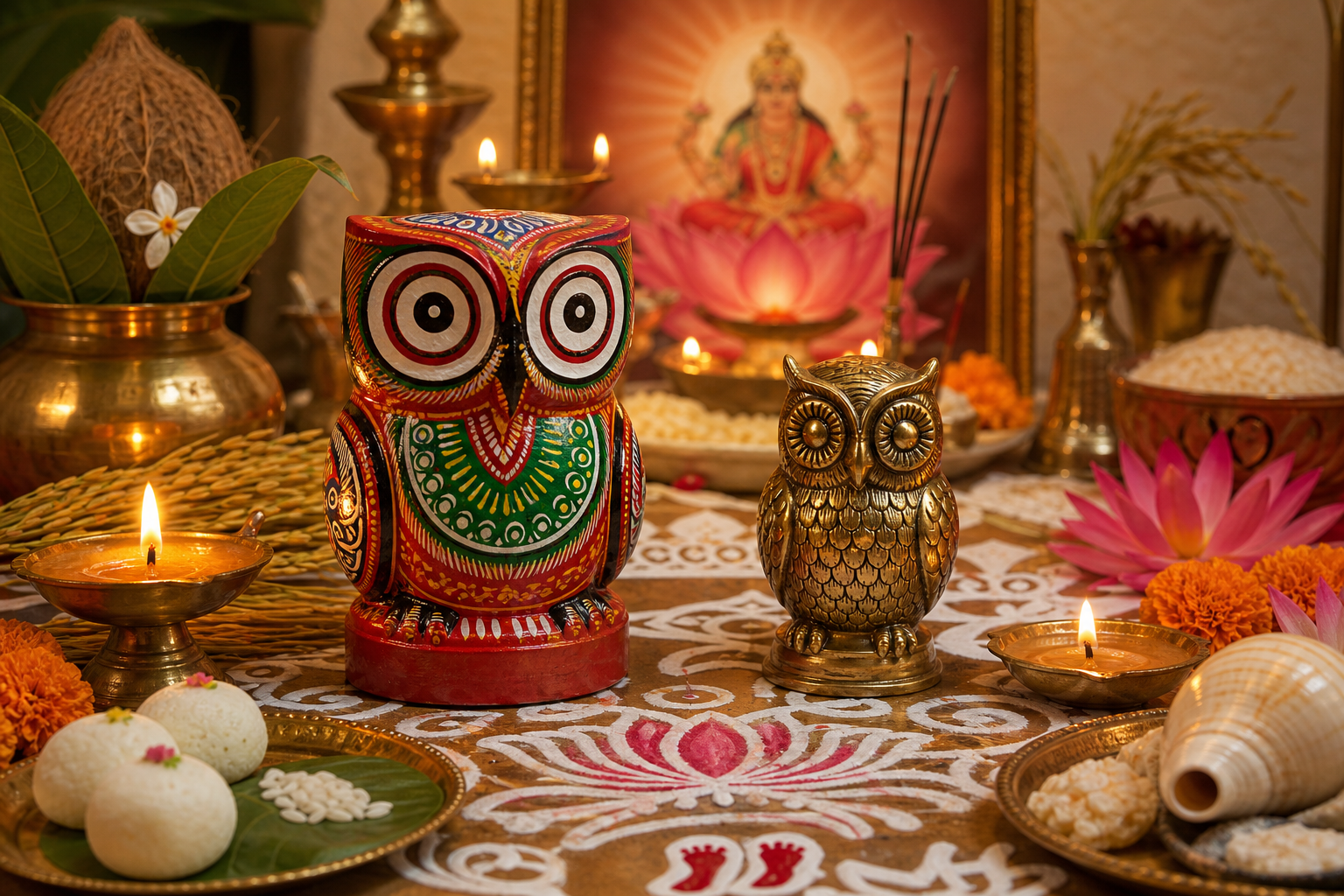
The Vermilion Box (Sindoor Dabi) is a living symbol of Goddess Lakshmi’s grace in Hindu homes, especially in Bengal and eastern India. This long-form exploration traces its ritual role in Panchopachara and Shodashopachara, its association with the sacred feminine, and its regional craft vocabularies. Readers learn how red—through kumkum or sindoor—visualizes ethical prosperity, and how…
-
Chandra Darshan 16 June 2026: Powerful First-Moon Sighting, Rituals, and Calendar Map

Chandra Darshan on 16 June 2026 marks the first visible crescent after Amavasya and inaugurates Shukla Paksha. The observance falls in Nija Jyeshta (Jyeshta Masam) for North India, Andhra Pradesh, Telangana, and Karnataka due to the Adhik Jyeshta sequence earlier in 2026. In the solar calendars, it aligns with Aani (Tamil), Mithunam (Malayalam), and Ashar…
-
Hard Realities of the Bengali Bhadralok: From British Raj Brokers to Mamata Banerjee’s West Bengal

This long-form analysis offers a rigorous, non-polemical history of the Bengali Bhadralok from the late colonial period to the Trinamool era. It defines the Bhadralok as an intermediary elite shaped by British institutions yet rooted in a rich civilizational matrix, and explains why Marxist ideas resonated in Bengal’s post-famine and post-Partition moral economy. Readers gain…
-
Lakshmi Ghot in Bengal: Sacred Clay-Pot Worship for Prosperity, Harmony, and Eco-Devotion

Bengal’s Lakshmi Ghot tradition consecrates an earthen pot as the living locus of Goddess Lakshmi, offering a compact yet theologically complete home ritual. This long-form guide decodes the symbolism of the kalasha—clay, water, leaves, grains, and coconut—as a microcosm of abundance governed by dharma. It situates the practice within Kojagari Lakshmi Puja on Sharad Purnima…
-
Hargauri Durga in Bengal: Uma’s Tender Homecoming and Her Sacred Union with Shiva

Hargauri Durga reframes Bengal’s Sharadiya devotion as Uma’s tender homecoming, with Shiva’s serene presence completing the sacred tableau. The piece decodes the Hara–Gauri archetype, clarifies its relationship to Mahishasura Mardini, and situates the tradition within Devi Paksha, from Mahalaya to Vijayadashami. It explains core rites—bodhana, nabapatrika, Sandhi Puja, Kumari Puja, and visarjan—while interpreting how they…
-
Vishwakarma Across India: How Bengal’s Striking Icons and Rituals Recast the Divine Architect

Vishwakarma, the divine architect, is honored across India through rich regional traditions that share a common theological core yet vary in iconography, ritual calendar, and social meaning. Bengal’s Biswakarma Puja, marked on Kanyā Saṅkrānti, relocates devotion to rooftops and workshops, pairing vivid clay icons with explicit tool worship and communal kite-flying. North and West India…
-
Pohela Boishakh 2026 (Naba Barsha 1433): A Comprehensive Guide to Dates, Rituals, and Heritage

Pohela Boishakh (Poila Baisakh) marks Naba Barsha 1433 and will be observed on 15 April 2026 in West Bengal, while Bangladesh’s reformed calendar celebrates Pahela Baishakh on 14 April. Rooted in Mesha Sankranti—the Sun’s ingress into sidereal Aries—the New Year aligns astronomy with the Bengali Panjika’s sunrise rule, explaining occasional date differences. The guide details…
-
Saptatori on Kojagari: Bengal’s Banana-Boat (Kolar Nouko) Ritual to Honor Lakshmi

Kojagari Lakshmi Puja in Bengal features the Saptatori tradition—seven miniature Kolar Nouko (banana-boats) floated under the Sharad Purnima moon as offerings to Goddess Lakshmi. Each eco-friendly boat, crafted from banana trunk and leaves, carries grains, turmeric, vermilion, a coin, and a diya, symbolizing ethical prosperity and household well-being. The ritual’s timing aligns with cultural astronomy…
-
Goddess Jogadya Durga of Bengal: Unveiling Adya Shakti, Yoga, and a Timeless Shakta Legacy

Goddess Jogadya (Yogadya) is Bengal’s intimate manifestation of Durga, uniting the yogic discipline of attention with the primordial Adya Shakti. This in-depth guide explains her theology, iconography, and ritual grammar, situating Jogadya within Bengal’s sacred geography and festival calendar—from Charak Sankranti in Chaitra to Sharadiya Navaratri in Ashwin. Readers learn how daily worship follows Panchopachara…
-
Choitro (Chaitra) 2026: Complete Guide to Dates, Gajan, Charak Puja, and Poila Baisakh

Choitro (Chaitra) 2026 spans 16 March to 14 April and completes Bangabda 1432 in the Bengali calendar, with Poila Baisakh launching Bangabda 1433 on 14 April. This guide explains the sidereal solar basis of Bengali months, the West Bengal panjika convention behind these dates, and how it differs from Bangladesh’s revised civil calendar. It covers…
-
Charak Puja 2026 (Neel Puja): A Sacred, In‑Depth Guide to Dates, Gajan Rituals and Meaning in Bengal

Charak Puja—also called Neel Pooja and Hajrha Puja—arrives at Chaitra Songkranti, the Bengali year’s closing threshold. In 2026, Neel Puja will be observed on April 12 and Charak Puja on April 13, aligning with Mesha Sankranti. This in-depth guide explores the festival’s theology centered on Shiva as Neelkantha, the Gajan cycle of vows, the Charak-gach…
-
Charak Puja at Charak Sankranti: A Soul-Stirring Folk Heritage of Bengal, Tripura, and Assam

Charak Puja (Nil Puja or Hajra Puja) crowns the Bengali month of Chaitra with a powerful blend of devotion, folk art, and agrarian hope. Observed on Charak Sankranti—the sidereal solar transition into Mesha (Aries)—it typically falls on 13 or 14 April across West Bengal, Tripura, and Assamese regions shaped by Bengali and tribal traditions. The…
-
Bedi (Beri) Lakshmi in Bengal: Sacred Grain Altars and the Living Symbolism of Prosperity

Bedi (Beri) Lakshmi is a distinctive Bengali household rite in which Goddess Lakshmi is invoked through a grain-filled altar and a carefully sanctified boundary. The practice centers prosperity in living seed, uniting ecology, economy, and devotion within the domestic sphere. Marked especially on Kojagari Purnima, it employs rice-paste alpana, paddy, turmeric, and lamp to translate…
-
Gambhira’s Sacred Depths: Sri Chaitanya Mahaprabhu in Puri—History, Bhakti, and Unity

This in-depth study presents the Gambhira of Jagannath Puri as a pivotal site in the devotional history of Sri Chaitanya Mahaprabhu, connecting place, practice, and theology. It synthesizes insights from the rare Bengali work Gambhiraya Sri Gauranga with core Gaudiya texts to explain how nocturnal kirtan, scriptural recitation, and aesthetic theology shaped Mahaprabhu’s later years.…
-
Ravana as Rama’s Priest: Akalbodhan in Krittibas’s Bengali Ramayana and Dharmic Unity

This essay examines the Krittibas Ojha Bengali Ramayana episode in which Ravana, despite being Rama’s adversary, officiates as priest for Rama’s Durga Puja. It contextualizes the scene within Akalbodhan, the autumnal invocation of Durga that anchors Bengal’s Sharadiya Durga Puja. Contrasting Krittibas with Valmiki’s Aditya Hridayam, it shows how regional retellings adapt epic theology without…
-
‘Dugga Dugga’ Explained: The Heartfelt Bengali Blessing for Protection and Safe Journeys

“Dugga Dugga” is a cherished Bengali Hindu blessing spoken at moments of departure, invoking Goddess Durga’s protection for safe journeys. This concise invocation blends family care, Shakta devotion, and cultural continuity into an accessible daily practice. Readers will learn its spiritual meaning, historical roots, and role at liminal moments such as travel, exams, and new…
-
Banadurga of Bengal: Sacred Forest Daughter of Durga and Guardian of Rural Devotion

Goddess Banadurga (Banadebi) endures in Bengal’s folk spirituality as the compassionate Forest Daughter of Durga and a vigilant guardian of rural life. This post explores her approachable identity, simple iconography in clay and terracotta, and community-centered worship aligned with monsoon and harvest cycles. It highlights lived village memories, from lamps beneath sacred trees to songs…
-
Baishakhi Sankranti at Kshirgram: The Sacred Awakening of Maa Jogadya and New Beginnings

Baishakhi Sankranti at Kshirgram Maa Jogadya Temple marks the Sun’s entry into Mesha (Aries) and the start of Baishakh, aligning with the Bengali New Year. The festival’s centerpiece is a solemn yet celebratory divine awakening of Maa Jogadya that symbolizes renewal, ethical intention, and harmony with seasonal cycles. Visitors encounter an immersive atmosphere of conch…
-
Sacred Hearth of Bengal: How the Kitchen Stove Embodies Goddess Manasa’s Protection

The sacred hearth in rural Bengal carries a profound symbolism: the kitchen stove (chulha) doubles as a domestic altar that invokes the protection of Goddess Manasa. This article explains who Manasa is—Bishahari, Jagat Gauri, Padmavati—and why her worship intensifies during the monsoon. It shows how daily acts of cleaning, marking, and offering from the first…