Vyanjan Dwadashi, also known as Byanjana Dwadashi, is observed on Margashirsha Shukla Dwadashi (the 12th lunar day of the bright fortnight in the Margasheesha Month). In 2025, it falls on December 2. Rooted in the Vaishnava bhakti tradition, the observance honors Sri Krishna through simple, nourishing offerings and collective devotion within the Hindu calendar framework.
Falling immediately after the Ekadashi associated with Gita Jayanti, Vyanjan Dwadashi extends the contemplative spirit of devotion into a day of service and wholesome worship. The timing in Margashirsha aligns the vrata with a season that emphasizes warmth, simplicity, and sattva in daily practice, making the observance accessible to families and temple communities alike.
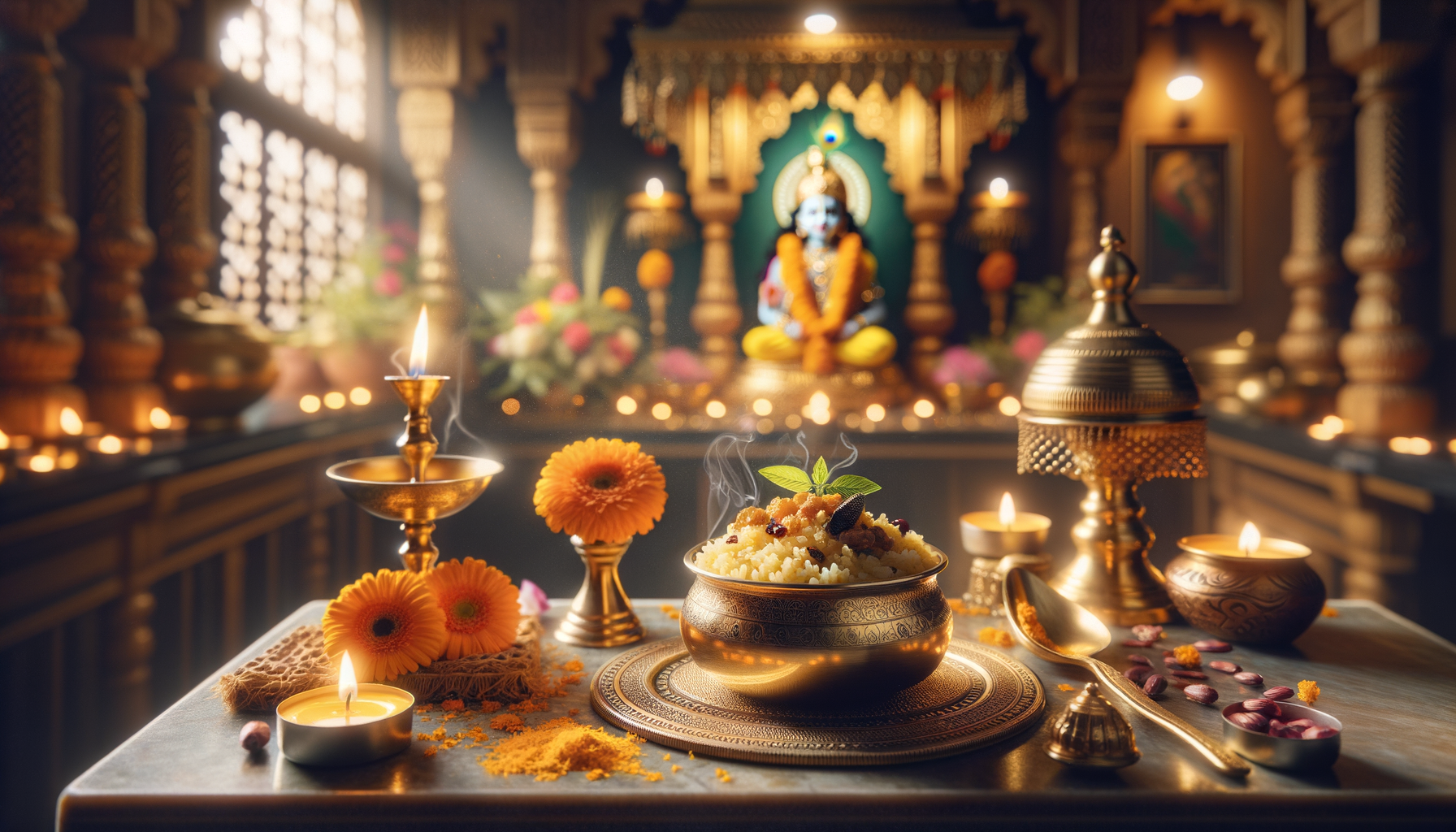
A defining hallmark of the day is the beginning of the ‘Khichdi bhog’ offering to Sri Radharaman Dev (Lord Sri Krishna). The humble khichdiprepared with rice, lentils, and seasonal producesymbolizes purity, nourishment, and the heart’s quiet gratitude as winter deepens. Devotees cherish the way this offering turns an everyday meal into prasada, reinforcing that spiritual discipline can be both gentle and sustaining.
Across Shri Krishna temples and many ISKCON (International Society For Krishna Consciousness) centers, observances may include special darshan, sankirtan, and distribution of prasada. Communities often emphasize anna-dana (food sharing) and kirtan, seeing the day as an opportunity to strengthen social bonds through shared meals and devotional music. Families value the simplicity of these practices, noting how collective preparation and offering enhance unity and well-being.
Vrata observance typically centers on sattvic preparation of food, visiting a Krishna temple where possible, and reciting verses from the Bhagavad Gita alongside the chanting of Sri Krishna’s names. Acts of charity, such as contributing grains or cooked food for anna-dana, align with the day’s spirit. These practices encourage mindfulness, humility, and steady dedication to dharma.
The ethos of Vyanjan Dwadashi resonates across dharmic traditions. The sharing of a wholesome meal reflects values cherished in Hinduism, Buddhism, Jainism, and Sikhismcompassion, ahimsa, dana, and langar-inspired community service. By centering inclusivity and care, the observance nurtures unity in diversity and highlights the shared heritage of nourishment, service, and spiritual fellowship.
Many households observe the day at home by preparing khichdi bhog with seasonal vegetables, offering it with tulsi leaves and a simple lamp, and then sharing it as prasada with family, neighbors, or community kitchens. This home-centered practice allows devotees to connect deeply with the festival’s meaning even when temple visits are not feasible.
Devotees often remember the association of the festival with Sri Radharaman Dev and find inspiration in the tender mood of seva that the bhog embodies. Whether in prominent Krishna temples or modest home altars, the day’s rituals affirm that spiritual refinement is advanced through everyday acts of care, disciplined simplicity, and collective joy.
On December 2, 2025, Vyanjan Dwadashi invites contemplation and service: preparing ‘Khichdi bhog’, visiting a Krishna temple, reciting sacred verses, and participating in community sharing. In honoring Sri Krishna, the observance turns food into fellowship, devotion into inclusivity, and tradition into a living practice of unity across dharmic paths.
Inspired by this post on Hindu Pad.