In the living tapestry of Dharmic traditionsHinduism, Buddhism, Jainism, and Sikhismno two personalities are identical. Nor should they be. Within Gaudiya Vaishnavism, Srila Prabhupada famously summarized this spiritual common sense: "Variety is the mother of enjoyment." Differences in temperament, skill, and inclination are not flaws to be flattened but capacities to be consecrated. When distinctive strengths are offered as seva, individuality becomes an instrument of unity rather than division.
Across the Bhakti Tradition, the consistent guidance is clear: whatever one’s talents, they can be offered in Krishna’s service. At times, readers encounter prescriptive virtues for womenchaste, tolerant, shy, and subservientand assume that scripture demands a single, uniform personality for women while men enjoy divergence. A closer reading and lived practice show otherwise: virtues describe ethical orientation, not personality homogeneity. Women and men alike manifest a striking range of dispositions, responsibilities, and capacities, all of which can be harmonized in sadhana and service.
Srila Rupa Goswami’s Bhaktirasamrita- sindhu grounds this claim theologically by showing that Krishna Himself embraces multiplicity. He is dhirodattagrave, gentle, forgiving, merciful, determined, humble, highly qualified, chivalrous, and physically attractive. He is also dhiralalitanaturally funny, always in the bloom of full youth, expert in joking, free from all anxieties, domesticated, and submissive to His lover. If the Divine accommodates and expresses such richly contrasting traits, it follows that authentic devotion likewise accommodates diverse human temperaments without anxiety.
This embrace of plurality resonates across Dharmic philosophies. Hindu thought articulates Ishtapersonal orientation to the Divineas a framework that honors psychological diversity in worship and practice. Jainism’s anekantavada affirms many-sided truth; Buddhism speaks of upaya, or skillful means, tailoring teachings to varying capacities; Sikh tradition centers seva and sangat, welcoming contributions that differ by aptitude yet unite in purpose. Unity in spiritual diversity is thus not concession but principle, woven into doctrine and upheld in community.
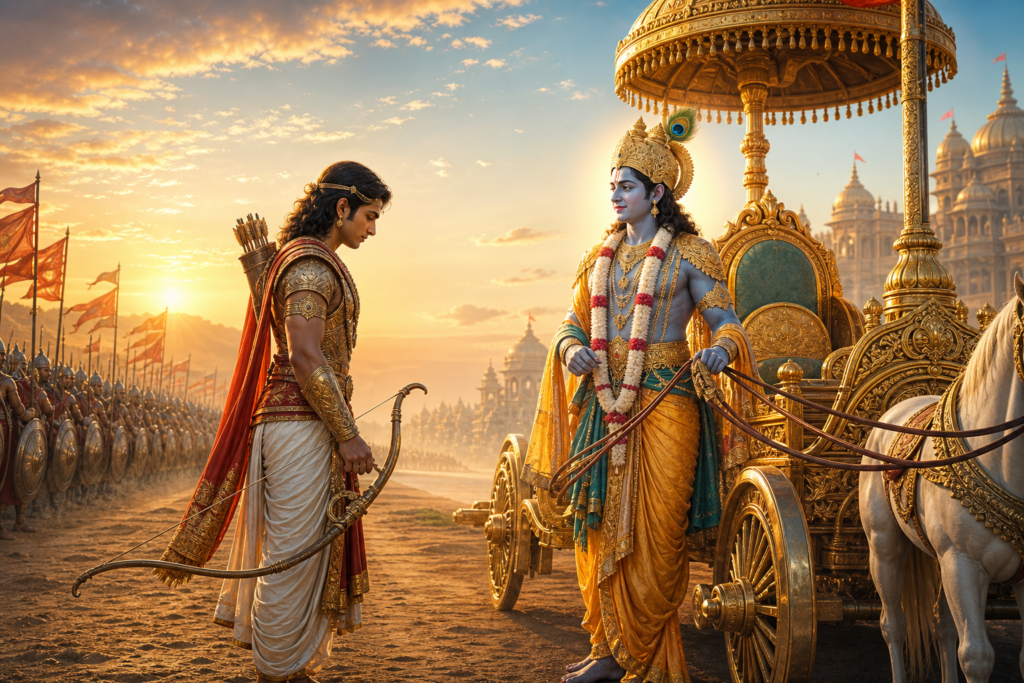
Philosophically, the Bhagavad Gita frames contribution through the interplay of guna and karma, emphasizing that differentiated natures (svabhava) and corresponding actions (svakarma) can all become yoga when offered without ego. This Hindu philosophy of unity does not mandate sameness; it sanctifies difference by aligning it with a common telosselfless service and God-centered living.
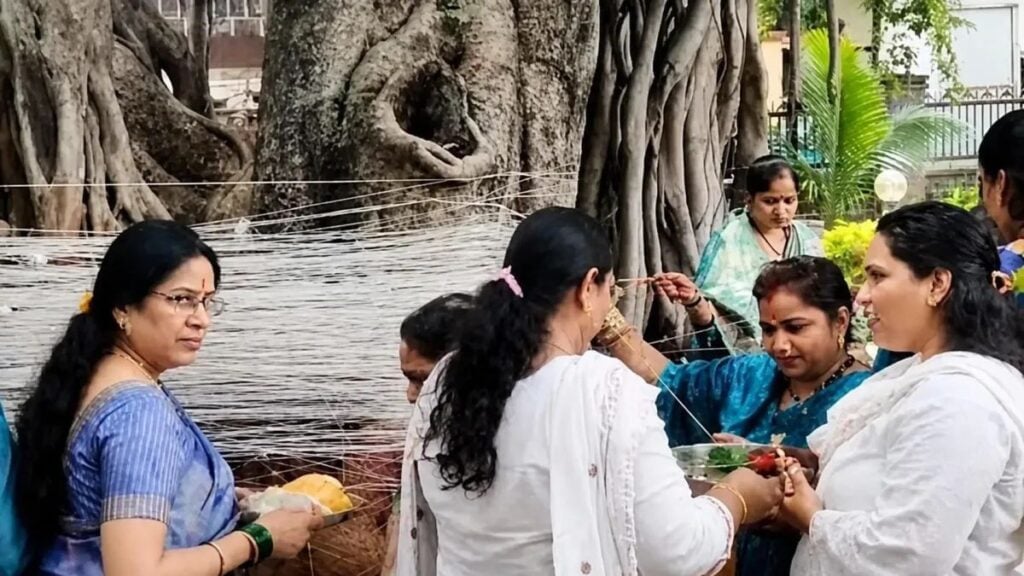
Contextual interpretation further clarifies gendered virtues. Descriptions such as "chaste, tolerant, shy, and subservient" register ethical safeguards against exploitation and egoism within specific social milieus; they do not erase agency, creativity, or leadership. Historical and contemporary practice supplies counter-examples to any claim of uniformity: from Mirabai and Andal in the Bhakti Tradition to Gargi and Maitreyi in the Upanishadic record, from Candanabālā and other Jain śramaṇīs to Buddhist lay and monastic exemplars, and from Mata Khivi’s stewardship of langar to Mai Bhago’s martial courage in Sikh history. The spectrum of women’s service is as variegated as men’sdevotional, intellectual, artistic, administrative, contemplative, and courageous.
In practical terms, communities thrive when difference is dignified and directed. A musician channels devotion through kirtan; a contemplative serves through silent japa and study; an organizer strengthens temple administration; a teacher imparts śāstra; a caregiver sustains families and sangha; a protector exercises kshatra-dharma in defense of the vulnerable. Each path is necessary; no single temperament suffices for the collective work of Dharma.
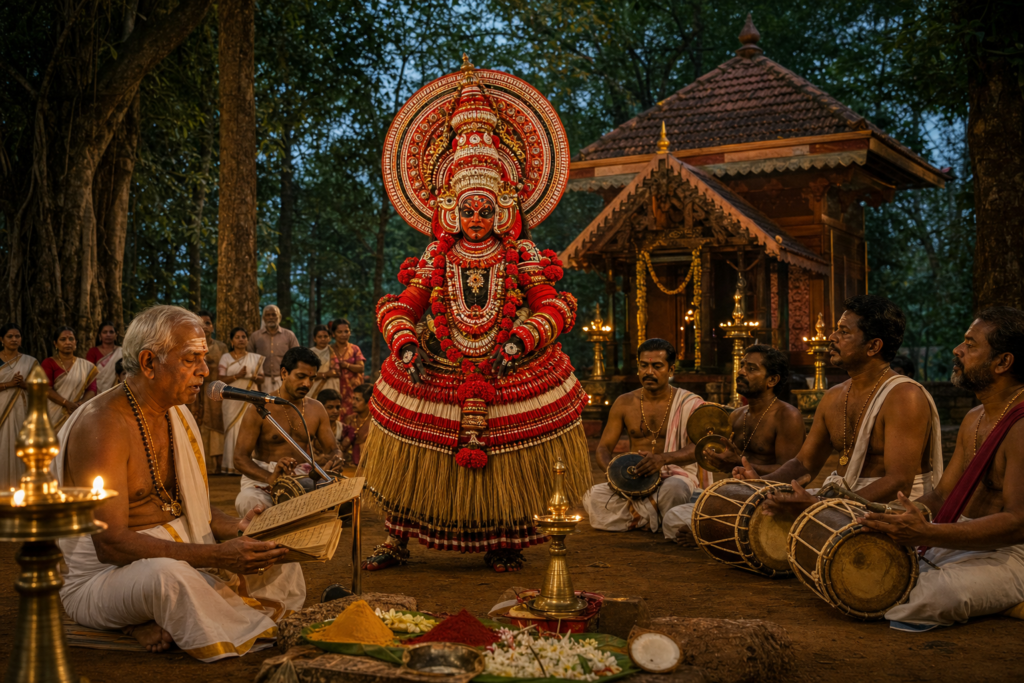
Many practitioners report that their deepest sense of belonging arises when a temple kitchen, a study circle, and a kirtan hall hum simultaneouslyeach a microcosm where distinct personalities cooperate without competition. This shared experience underscores a simple insight: when the goal is Krishna, and by extension the welfare of all beings, difference ceases to threaten cohesion and begins to power it.
Taken together, Srila Prabhupada’s axiom, Srila Rupa Goswami’s theological mapping, and broader Dharmic philosophies converge on one conclusion: individuality, rightly oriented, builds unity. Variety is indeed the mother of enjoymentand, more crucially, the architecture of resilient communities. Embracing diverse personalities in Dharmic service advances Hindu Unity and strengthens bonds across Buddhism, Jainism, and Sikhism, aligning with the timeless ideal of Vasudhaiva Kutumbakam.
Inspired by this post on Dandavats.