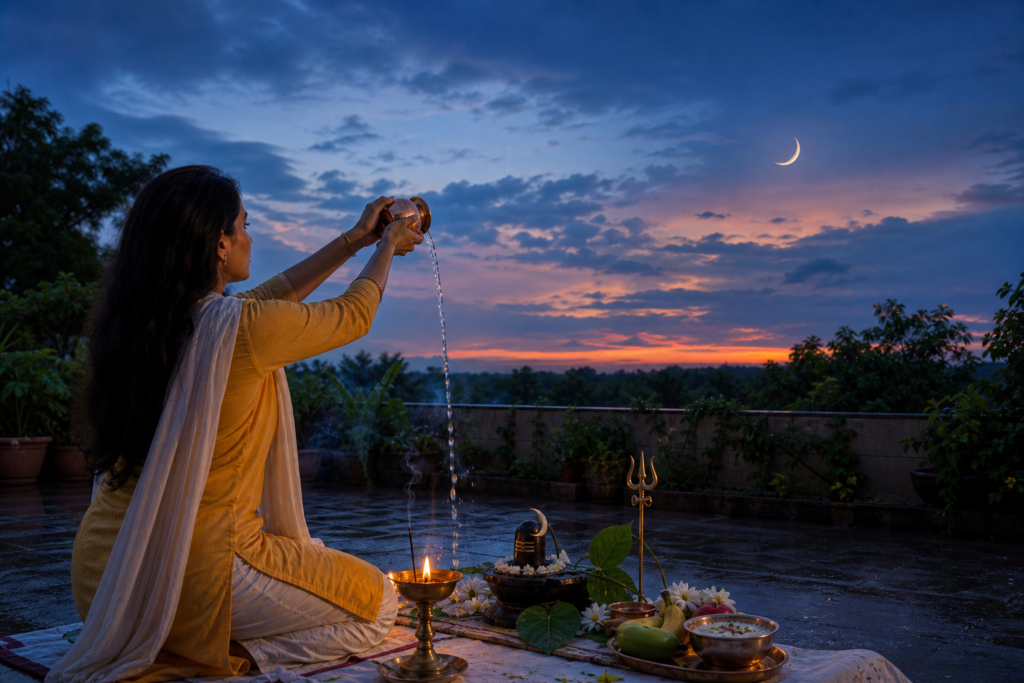
A proposed Sri Ganesha temple in the Dallas–Fort Worth (DFW) areawidely described in community conversations as the 18th Hindu temple in the metroplexhas drawn a wave of online backlash framed by the phrase “Culture Erased.” The digital flashpoint quickly expanded into a broader debate about Hinduphobia in the U.S., religious freedom, and how multicultural cities integrate new houses of worship. The episode offers a timely case study in rights, responsibilities, and community-building across dharmic traditions and beyond.
While a significant share of local residents and interfaith partners have welcomed the plan, social media threads surfaced anxieties about perceived demographic change, traffic, noise, and cultural displacement. Some posts employed stereotypes and insinuations that link Hindu symbols and temples to political agendas, reflecting patterns scholars increasingly identify as Hinduphobiaprejudice, erasure, or hostility directed at Hindu beliefs, practices, or communities.
It is important to distinguish between legitimate civic concerns and discriminatory rhetoric. Urban planning questions about parking, ingress and egress, event-hour impacts, or sound mitigation are common to all houses of worship, whether churches, synagogues, mosques, gurdwaras, Buddhist viharas, Jain derasars, or temples. These must be addressed on neutral, evidence-based terms. By contrast, narratives that single out Hindu institutions as uniquely suspect or culturally corrosive slide toward bias and threaten the norms of religious liberty.
DFW’s religious landscape has diversified markedly over the past two decades. U.S. Census and regional demographic indicators show sustained growth in South Asian communities across North Texas. This has naturally been accompanied by the development of dharmic institutions: Hindu temples, Sikh gurdwaras, Jain centers, and Buddhist communities that serve worship needs while also hosting language classes, health camps, charity drives, youth mentorship, and cultural education. For many first-generation migrants, these spaces provide continuity with childhood rites and festivals; for second-generation youth, they offer identity anchors that complement school and civic life.
Online controversies of this kind often follow a recognizable arc. Initial local queries proliferate into attention-grabbing posts, sometimes relying on decontextualized images, partial site plans, or rumors. Hashtags amplify sentiment, and a small minority of provocative messages can set the tone for threads that many readers mistakenly interpret as representative opinion. This dynamic is not unique to Hindu institutions; it mirrors backlash cycles seen around many religious projects in growing suburbs.
Against this background, constitutional and statutory frameworks in the United States are clear. The First Amendment protects free exercise of religion, and the Religious Land Use and Institutionalized Persons Act (RLUIPA) of 2000 provides critical guardrails for zoning and land-use proceedings. Under RLUIPA, local governments may not impose land-use regulations that place a substantial burden on religious exercise unless they meet strict scrutiny; they must treat religious assemblies on equal terms with comparable secular assemblies; and they may not discriminate on the basis of religion or unreasonably exclude religious institutions from a jurisdiction.
In practical terms, this means a proposed temple, like any house of worship, should be evaluated by the same objective standards applied to community centers or other assemblies of similar size and frequency of use. Typical review factors include traffic engineering studies, parking ratios, storm-water management, emergency vehicle access, occupancy loads, and acoustic design. When applicants proactively submit traffic management plans, event scheduling protocols, and noise-mitigation measures, approval pathways usually become more predictable and collaborative.
Empirical urban-planning literature generally finds that well-managed houses of worship contribute modest and predictable peak traffic on limited days and times, with negligible continuous noise when contemporary building materials and event policies are used. Where concerns remain, conditional approvals can require additional landscaping, staggered event times, rideshare coordination, or volunteer traffic wardensapproaches that many temples and gurdwaras already deploy during major festivals.
Equally salient is the social contribution side of the ledger. Dharmic institutions in North America frequently run food drives, blood-donation camps, disaster-relief fundraisers, and cultural-literacy programs. Gurdwara langar kitchens feed thousands irrespective of faith; Jain centers host health fairs grounded in ahimsa; Buddhist communities organize mindfulness and well-being workshops; and Hindu temples offer tutoring, music and dance classes, and seva initiatives. These efforts lower barriers to inclusion and create bridges across neighborhoods.
Concerns about safety are not unfounded. Federal hate-crime statistics register a small but persistent number of anti-Hindu incidents each year, and houses of worship across traditions periodically face vandalism or harassment. Security audits, volunteer training, lighting and camera upgrades, and trusted liaison channels with local law enforcement are prudent, non-escalatory steps. Such measures protect everyone who uses these spaces, including students, seniors, and interfaith visitors.
Media coverage can help by avoiding binary frames that portray neighbors as irreconcilably divided. Most residents, when engaged early and respectfully, respond to facts about site design, traffic control, and community benefits. Coverage that contextualizes online rhetoricmaking clear what is representative and what is fringereduces polarization and discourages opportunistic misinformation.
Within the broader dharmic family, the moment invites solidarity. Hindus, Buddhists, Jains, and Sikhs share civilizational roots that value pluralism, non-harm, learning, and seva. When any one dharmic community is mischaracterized, all benefit from a unified response that is principled, data-driven, and hospitable to dialogue. Joint cultural open houses, youth exchanges, and shared service projects demonstrate, in practice, that dharmic diversity strengthens rather than fragments civic life.
Interfaith partnerships are equally crucial. Many Christian, Muslim, and Jewish congregations in North Texas have extensive experience navigating expansions, parking agreements, and neighborhood communications. Clergy-to-clergy conversations and congregant-level open houses can demystify plans, clarify schedules, and set expectations for large festivals when traffic is highest. Mutual hospitalityattending each other’s events and volunteering togetheroften shifts narratives from suspicion to shared stewardship.
From a digital-governance perspective, communities have tools to reduce harm without inflaming debates. Timely publication of accurate site renderings, FAQ pages addressing traffic and noise, and short explainer videos about festival calendars preempt rumor cycles. Community hotlines or dedicated email addresses for questions, coupled with transparent timelines for permit milestones, lessen the information vacuum that often fuels speculation.
For temple boards and project committees, a practical roadmap includes: pre-application meetings with planning staff; commissioning third-party traffic and acoustic studies; codifying crowd-management and parking overflow plans; scheduling neighbor walk-throughs of the site; appointing a community advisory group with diverse local representation; adopting an incident-response protocol for harassment or vandalism; and publishing an annual community-impact report detailing service projects and partnerships.
For municipal leaders and planning commissions, best practices emphasize neutrality and clarity. Posting comparison charts that show how similar-sized assembliesreligious and secularhave been permitted builds trust. Training staff on RLUIPA’s equal-terms and non-discrimination provisions reduces litigation risk and underscores fairness. Where conditions are necessary, making them narrowly tailored to documented impacts, rather than generalized apprehensions, communicates respect for both religious exercise and neighborhood well-being.
Educational institutions and employers can also play a constructive role by supporting cultural-literacy initiatives that introduce students and staff to dharmic traditions in a non-proselytizing, academically grounded manner. Such programs reduce stereotype vulnerability for South Asian youth and promote inclusion for colleagues across faiths and none.
A key analytic takeaway from the DFW episode is that phrases like “Culture Erased” compress multiple, often contradictory anxietiessome rooted in quotidian planning concerns, others in demographic change or global political narratives. Untangling these strands requires patient listening, insistence on neutral criteria, and steady reaffirmation that pluralism is not a zero-sum undertaking. Cities grow; communities evolve; and with thoughtful design and transparent communication, houses of worship can be woven into the civic fabric as assets rather than flashpoints.
There is also a cultural dimension that data alone cannot capture. For many families, a Ganesha temple evokes memories of childhood aartis, festival lamps, and the quiet reassurance associated with the deity revered as Vighnahartathe remover of obstacles. For neighbors unfamiliar with these practices, guided tours, explanations of rituals, and shared meals transform unfamiliarity into curiosity, and curiosity into connection.
In the end, the controversy surrounding the proposed Ganesha temple in Texas is less a verdict on any single project than a mirror reflecting how communities choose to manage difference. When decision-making is grounded in evidence and law, when speech avoids sweeping generalizations, and when stakeholders prioritize good-faith engagement, the result is not cultural erasure but cultural confidencerooted identities that welcome the presence and flourishing of others.
The path forward is clear: apply land-use rules evenly; answer legitimate impacts with technical solutions; name and reject prejudice; strengthen interfaith and inter-dharmic ties; and keep the doors openliterally and figuratively. Done well, the DFW experience can become a template for metropolitan areas nationwide navigating growth, diversity, and the promise of religious freedom.
Pluralism has always thrived where communities act togetherin service projects, in classrooms, at public hearings, and on neighborhood sidewalks. With that spirit, a new temple, gurdwara, vihara, or derasar does not signal a loss for anyone. It expresses the basic American promise that people of every faith and none can gather, worship, serve, and celebrateside by sidewithout fear and without favor.
Inspired by this post on Struggle for Hindu Existence.