Reports from Balaghat, Madhya Pradesh (Feb 6, 2026) indicate that at least ten Muslim families in a predominantly Hindu village are facing a social boycott amid rising religious tensions. While details continue to emerge, the situation underscores the urgent need for measured dialogue, administrative engagement, and the reaffirmation of constitutional and ethical principles that safeguard dignity and equal treatment for all communities.
India’s constitutional framework protects freedom of religion, association, and movement, and discourages any form of social exclusion that undermines equal citizenship. In this context, a village-wide social boycottformal or informalcarries serious social and legal implications, as it can affect access to essential services, economic livelihoods, and social participation. It also risks deepening polarization, making reconciliation more difficult over time.
Across Dharmic traditionsHinduism, Buddhism, Jainism, and Sikhismthere is a shared ethical emphasis on ahimsa (non-violence), karuna (compassion), maitri (friendliness), and sarvodaya (the welfare of all). These values provide a constructive foundation to address communal strain, guiding communities toward empathy-led problem-solving and restorative practices rather than punitive social exclusion.
Community observers often note that social boycotts, even when intended as a response to perceived grievance, frequently produce unintended harm. For families on the receiving end, exclusion can disrupt access to common water sources, local markets, shared transport, and social safety networks. For the wider village, fear and mistrust can become normalized, weakening collective resilience and undermining the shared cultural and economic life that rural India depends upon.
Administratively, timely intervention by district authorities, panchayat officials, and local peace committees is essential. Structured mediationfacilitated by neutral interlocutorshelps surface specific grievances, clarify facts, and build consensus around verifiable remedies. In parallel, rights-based counseling and legal awareness sessions can remind all parties that durable peace rests on equal protection, due process, and mutual respect.
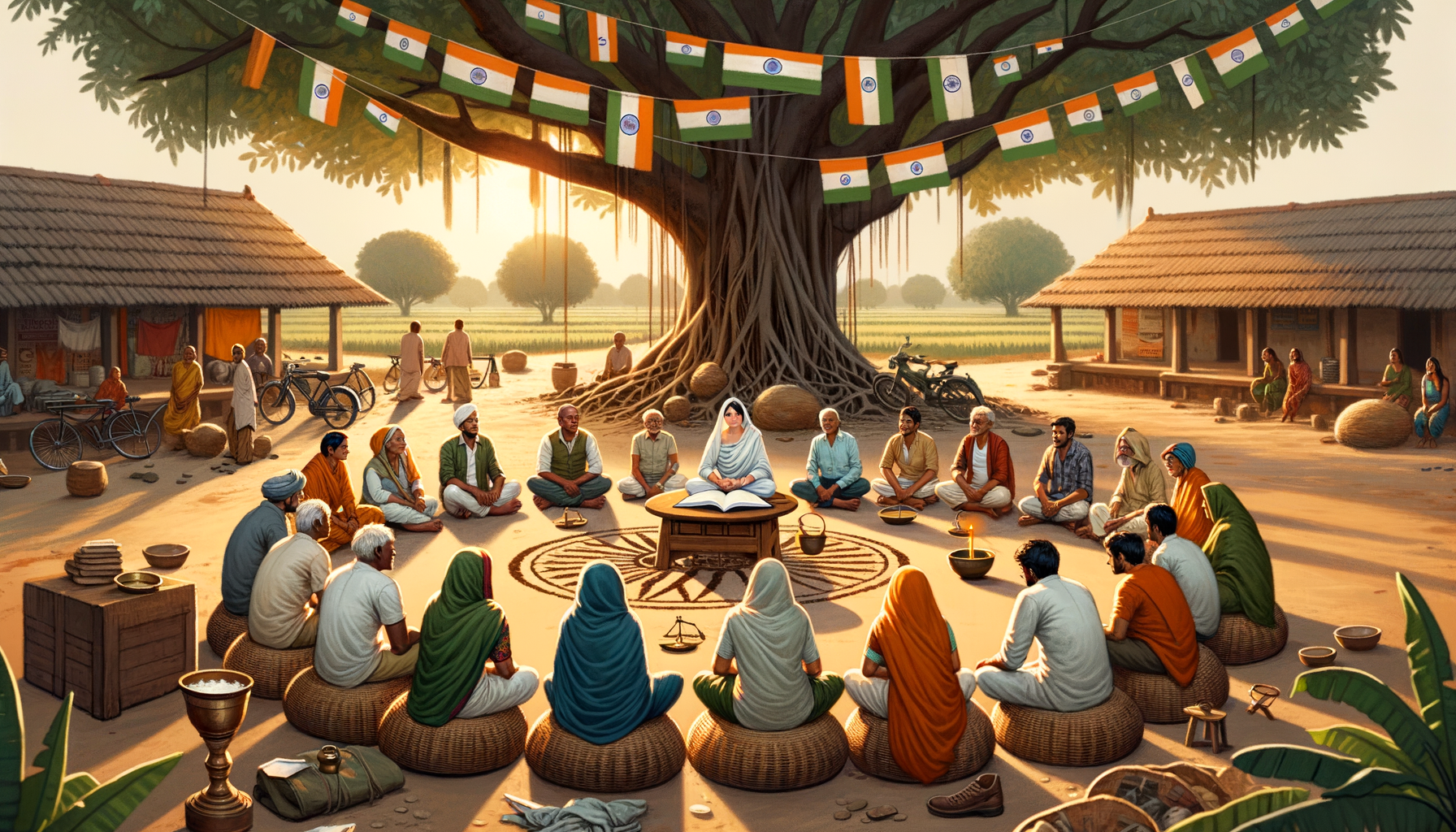
Pragmatic steps have proven effective in similar contexts: multi-faith community dialogues; youth-led cultural programs that celebrate shared heritage; women’s self-help groups fostering everyday cooperation; and jointly negotiated community codes of conduct that reject intimidation and social exclusion. Regular monitoring by civil society groups, coupled with transparent reporting by local administration, can further reduce rumor, ensure accountability, and rebuild trust.
Media and social media narratives should be handled with care. Sensational framing or unverified claims can escalate tensions. Responsible communicationcentered on verified information, human dignity, and problem-solvingsupports reconciliation rather than polarization. In this regard, highlighting stories of successful interfaith cooperation in nearby areas can offer practical templates for harmony and hope.
Ultimately, the path forward in Balaghat depends on a shared commitment to communal harmony, interfaith dialogue, and equal citizenship. Recalling Dharmic principles alongside constitutional guarantees invites the community to convert a moment of crisis into an opportunity for ethical leadership, social cohesion, and restorative justice. Such a course not only protects vulnerable families but also strengthens the village’s long-term stability and well-being.
As the situation evolves, stakeholders are encouraged to prioritize lawful remedies, inclusive dialogue, and culturally rooted reconciliation frameworks. By aligning local action with India’s pluralist ethos, Madhya Pradesh can demonstrate how principled, compassionate responses help transform conflict into cooperation and safeguard the dignity of every resident.
Inspired by this post on Struggle for Hindu Existence.