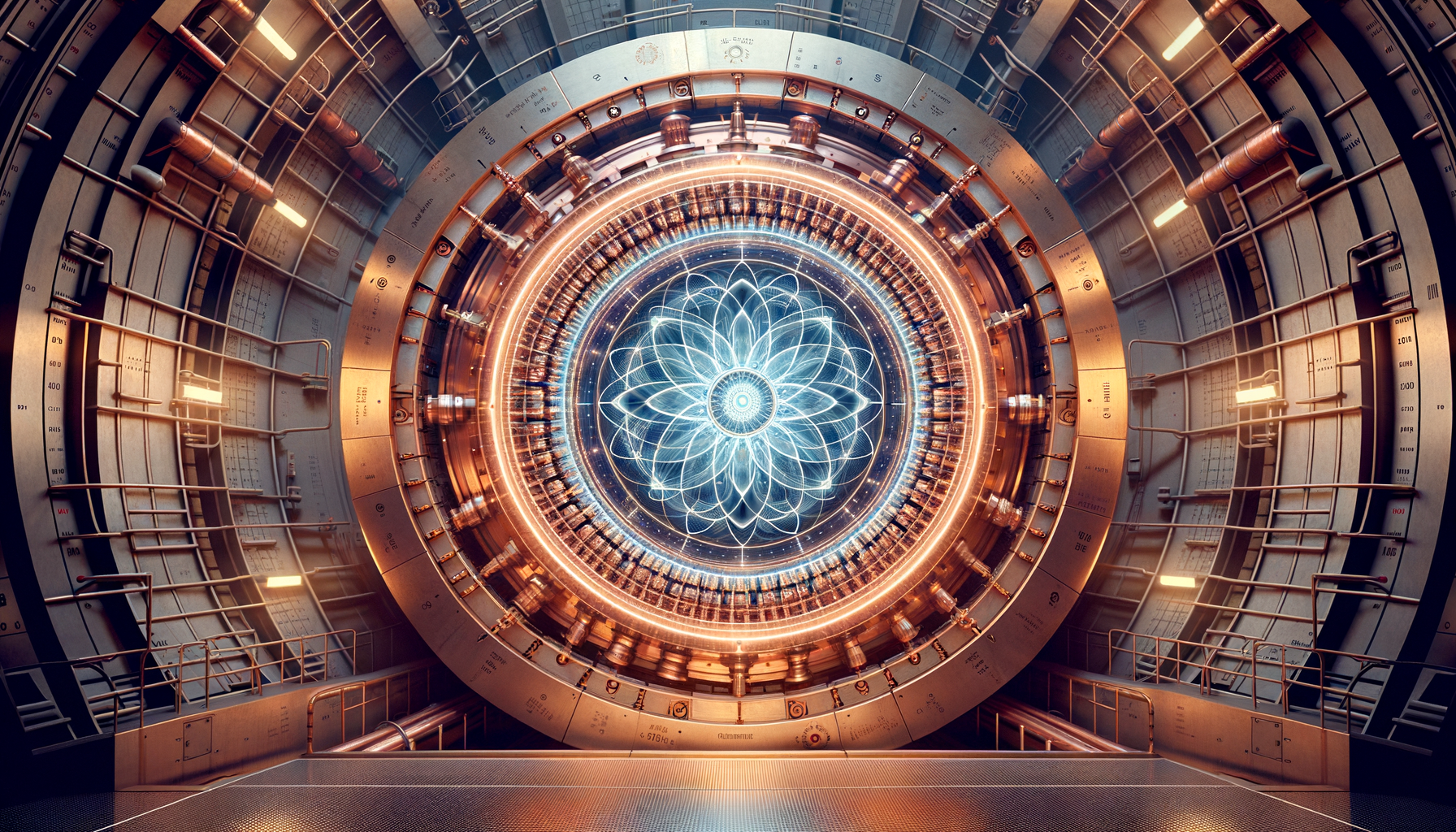
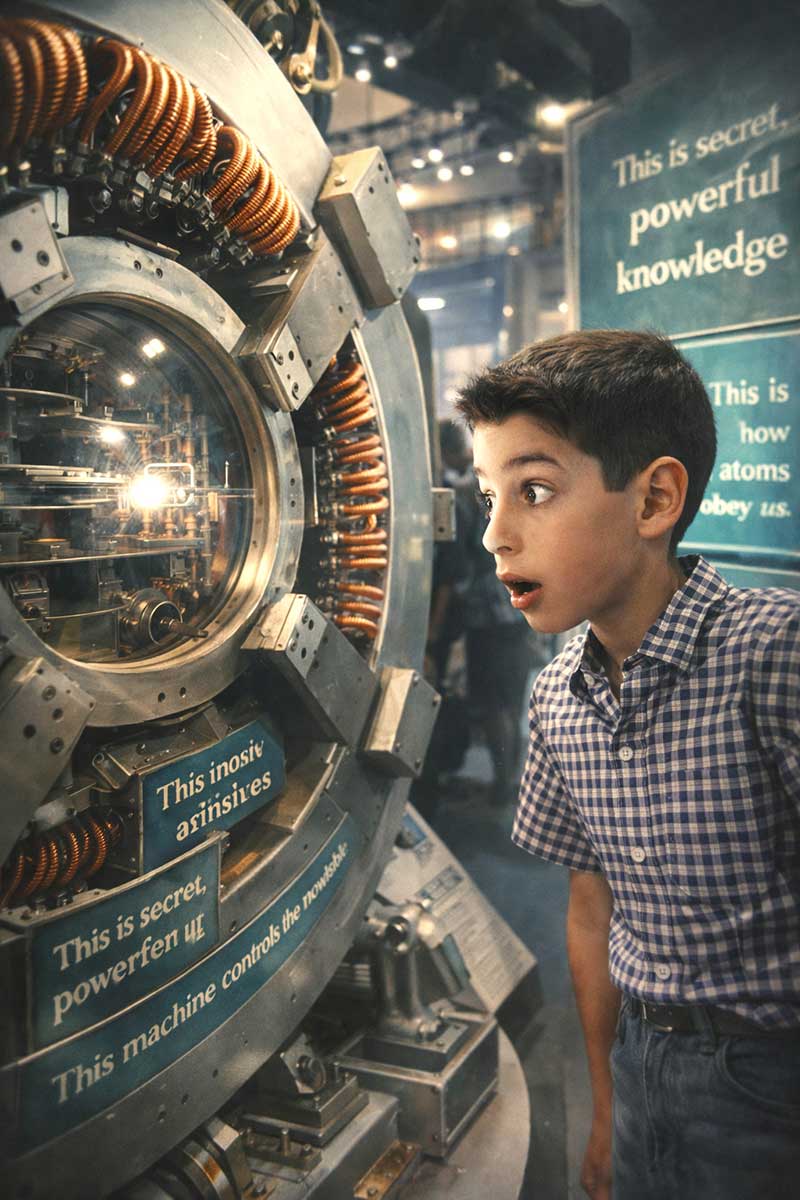
Before a silent ring of metal and copper within a Soviet-era particle accelerator, a striking realization took form: the most decisive forces shaping life are often unseen. The apparatus promised to reveal what could not be observed directly, suggesting that reality’s most compelling layers reside beneath the surface. That encounter distilled a rigorous intuition shared by science and philosophy alikethe conviction that inference and careful method can illuminate what eludes the naked eye.
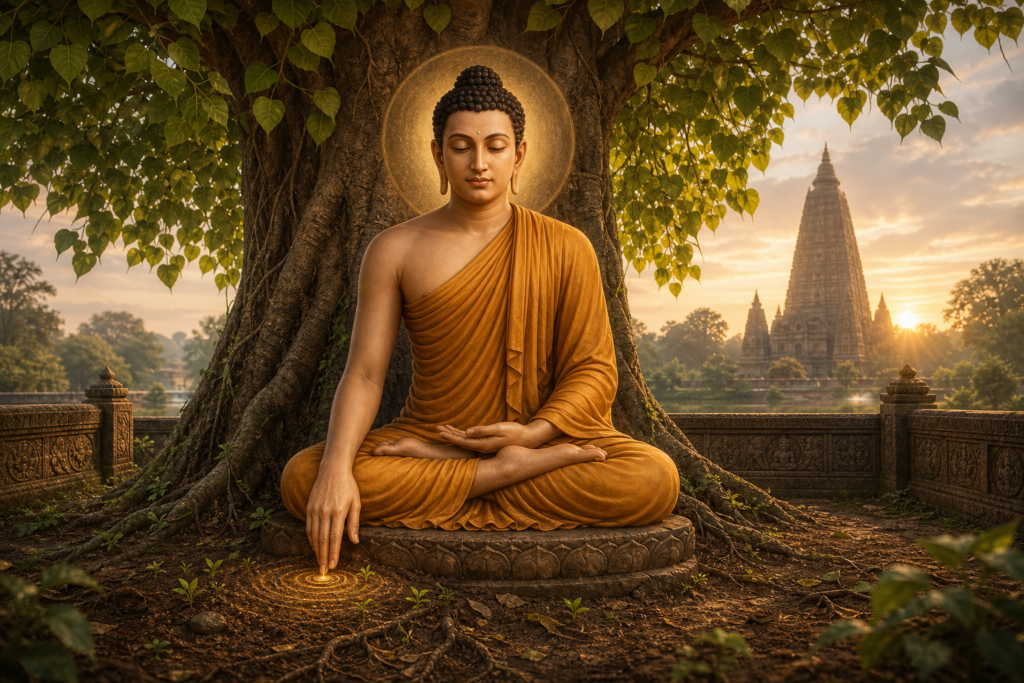
This scientific search for subatomic structure parallels a dharmic inquiry into the nature of consciousness, the atma, and the subtle causes behind experience. In Hindu philosophy and Vedanta, atma is approached through disciplined introspection and reason; in Buddhism (buddhism), inquiry turns to impermanence and anatta to map the flow of processes without positing a fixed self; in Jainism (jainism), jiva and karmic matter outline an ethical physics of consciousness; in Sikh thought (sikhism), Ik Onkar and hukam signal a unifying order that grounds multiplicity. Across these traditions, a shared commitment emerges: a careful, methodical exploration of what cannot be directly seen yet can be known through their effects.
Just as a particle accelerator makes the invisible legible through traces and interactions, dharmic practices render the interior landscape intelligible through meditation, ethics, and contemplation. Both paths rely on disciplined instrumentsprecision detectors in the laboratory, refined attention and reason in the mindsupported by testable consequences: reproducible measurements on one side, stable clarity, compassion, and discernment on the other. This symmetry encourages humility, inviting dialogue between science and philosophy without collapsing their distinct strengths.
The convergence is neither accidental nor superficial; it rests on complementary epistemologies. Scientific anumana (inference) and pratyaksha (observation) find echoes in contemplative verification and textual reasoning. Where physics maps fields and forces, dharmic traditions map intention, awareness, and causality. Together, they suggest that reality discloses itself through layered evidencefrom subatomic interactions to subtle consciousnessand that unity in spiritual diversity enriches, rather than diminishes, understanding.
Reconsidered through this lens, the accelerator is more than machinery; it becomes a symbol of disciplined wonder. It affirms that unseen forces can be approached with integrity, that rigorous method can bridge laboratory and contemplative practice, and that a unified dharmic perspective sharpens, rather than blunts, scientific curiosity. If the most compelling parts of reality live beneath the surface, then sustained, respectful inquiryacross Soviet science, atma, and the wider dharmic spectrumremains one of the most illuminating labors of our time.
Inspired by this post on Dandavats.