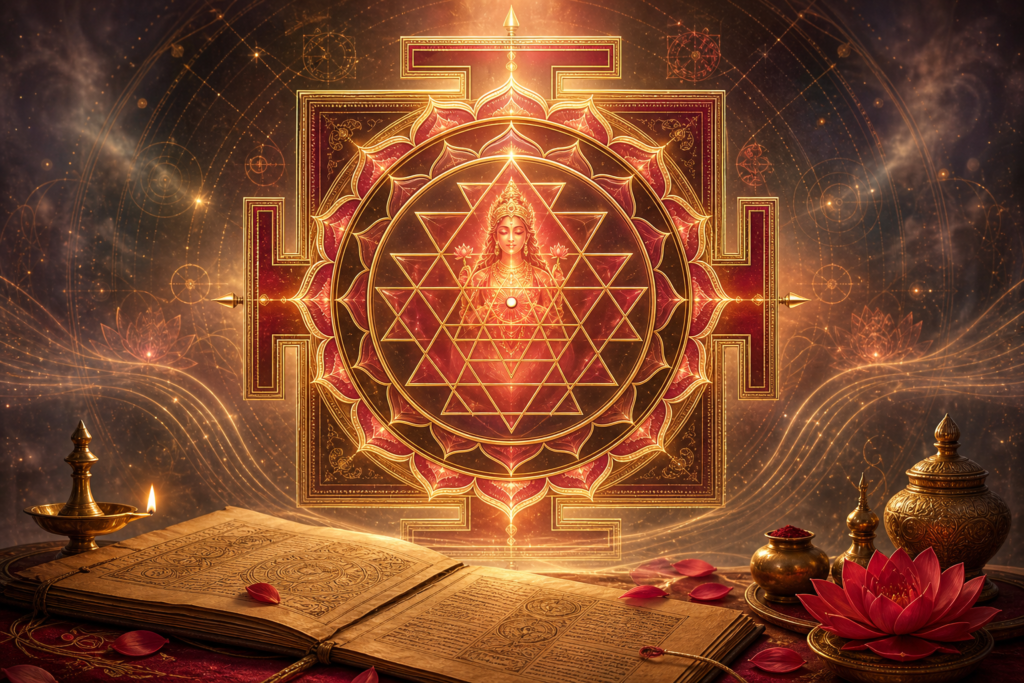
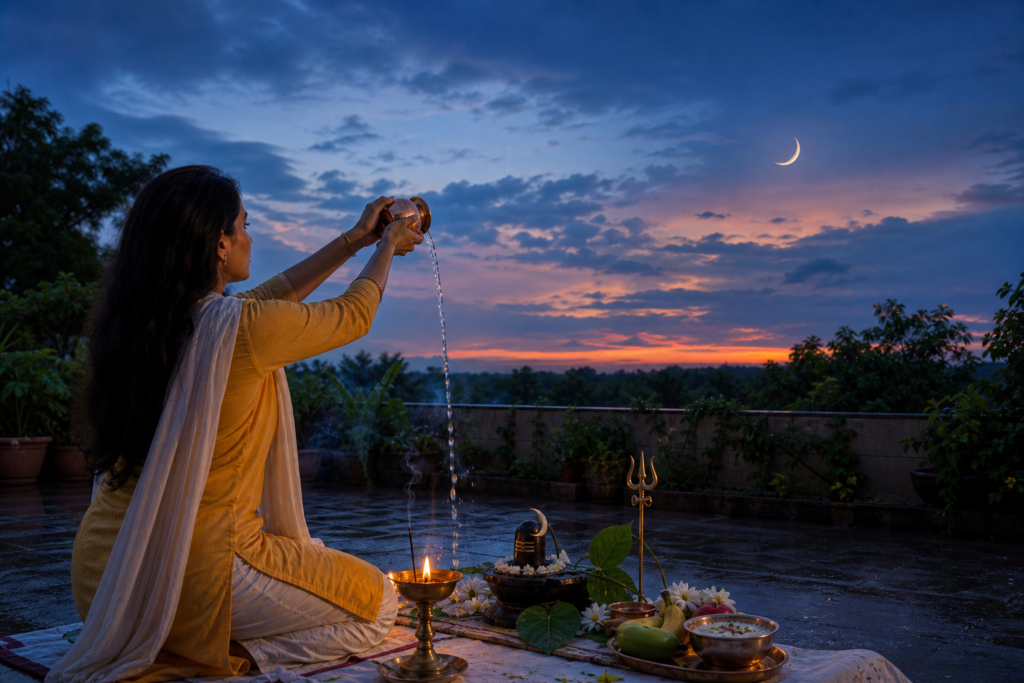
Across Dharmic traditions, seekers often ask how to discover a personal focal point for devotion and meditation. In Vedic astrology (Jyotisha), a widely observed guideline links this inquiry to the fifth house of the birth chart, a domain associated with mantra, bhakti, and inner cultivation. The living question resonates with the original maxim: “जानिये आपके इष्ट देव कौन है.. आपकी लग्न कुंडली मैं पंचम भाव का स्वामी गृह (पंचमेश ) आपके इष्ट देव है !” This succinct statement frames a practical starting point for aligning daily spiritual practice with one’s Lagna-based insights.
The fifth house (Pancham bhava) symbolizes creativity, mantra śakti, and the devotional mind. Hence, identifying the fifth-lord (Panchamesh) in the Lagna-based chart provides an accessible method to consider one’s Ishtadevta. While classical texts present multiple approaches to Ishta identification, this Panchamesh principle is valued for its simplicity and its continuity with the house’s traditional associations in Jyotisha.
Practitioners also acknowledge the power of worship even amid challenges, echoing the received line: “चाहे लाख दोष हो आपकी कुंडली मैं …गृह अच्छा फल नहीं दे रहे हो ….तो आप अपने इष्ट देव की आराधना करिये ! उनकी आराधना , उपासना , वंदना, पूजा करने से आपके …” The essential insight is clear: steady upasana, vandana, and pooja cultivate inner steadiness when doshas or difficult planetary periods arise, strengthening resilience, clarity, and ethical resolve.
Applying this method is straightforward. First, determine the Lagna and the Panchamesh using a reliable Panchanga, software, or a qualified Jyotisha practitioner. Next, contemplate traditional correspondences for devotional orientation within one’s own paramparawhether that affinity inclines toward Vishnu, Shiva, Devi, Surya, Ganesha, or other revered forms. In parallel, a Dharmic-unity lens honors analogous contemplative anchors across Jain, Buddhist, and Sikh pathssuch as veneration of Tirthankaras and Arihantas, reverence for Buddha and Bodhisattva ideals, or Naam Simran of Waheguruaffirming shared values of compassion, truth, and disciplined practice.
For daily sadhana aligned to Ishtadevta, a concise routine suffices: a few minutes of mindful breathing, remembrance through japa or a simple mantra, a respectful offering (pushpa or deepa), and gratitude. Regularity matters more than complexity; the steady rhythm of upasana nurtures mental clarity, emotional balance, and dharmic conduct, which in turn harmonizes relationships and community life.
It is important to note that Jyotisha offers several classical approaches to Ishta identification (for example, methods involving divisional charts). The Panchamesh-based guideline presented here should therefore be viewed as a practical, contemplative aid rather than an exclusive rule. Used with viveka, it integrates seamlessly with dhyana, seva, and yama–niyama, ensuring that spiritual progress remains grounded, ethical, and inclusive.
Within the broader Dharmic ethos, this perspective fosters unity in diversity. By honoring one’s chosen Ishtadevta while recognizing the legitimacy of multiple sacred paths, communities can celebrate a shared commitment to inner transformation and social harmony. In essence, Lagna-guided upasana becomes both a personal anchor and a collective bridgestrengthening spiritual well-being while affirming the interconnectedness of Hinduism, Buddhism, Jainism, and Sikhism.
Inspired by this post on Hindu Pad.