Jharasangam Shiva Temple, also known as Kethaki Sangameshwara Swamy Temple, is an ancient Shiva shrine situated in Jharasangam village near Zaheerabad in the Medak district of Telangana. Revered by pilgrims for its serenity and antiquity, the temple occupies a significant place in the sacred geography of the Deccan and remains a cherished destination on the Hindu pilgrimage circuit.
According to local Sthala Puranam, the Shivalingam at Jharasangam is believed to have been installed by Lord Brahma, a tradition that imparts exceptional sanctity to the site. Devotees associate the temple with the fragrance and symbolism of the kethaki (pandanus) flower, which lends the deity the name Kethaki Sangameshwara. These narrative strands, transmitted through generations, continue to animate ritual life and devotional practice at the shrine.
The temple’s plan reflects the classical emphasis on a stone-built sanctum (garbhagriha) and a modest mandapa conducive to darshan and collective worship. While the complex has evolved over time, it retains the contemplative ambiance characteristic of historic Deccan temples, making it an inviting space for quiet prayer, introspection, and the recitation of Shiva stotras.
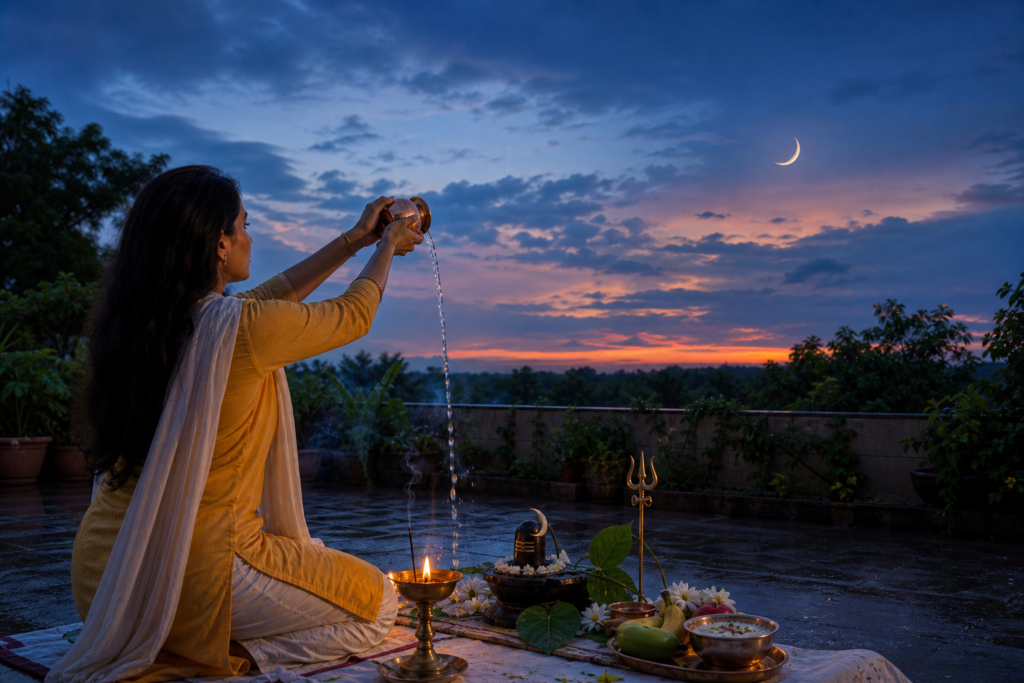
Ritual observances align with the broader calendar of Shaiva worship. Mahashivaratri draws large congregations who observe nightlong japa and abhisheka. Karthika Masam features deepam lighting and extended evening prayers, while Pradosham and Mondays (Somavar) remain especially auspicious for offerings and archana. These cycles of worship sustain a living tradition rooted in devotion, discipline, and communal participation.
Jharasangam’s proximity to Zaheerabad along the Hyderabad–Pune corridor enhances accessibility for visitors from across Telangana and beyond. The post-monsoon and winter months typically offer pleasant weather, though seasonal timings and festival schedules may vary; it is advisable to confirm local darshan hours before traveling. Simple, respectful attire and mindful observance of temple etiquettesuch as maintaining silence near the sanctum and seeking permission for photographysupport an atmosphere of reverence.
Pilgrims frequently remark on the temple’s tranquil setting and the ease with which meditative focus deepens in the sanctum’s presence. Families often combine darshan with unhurried time in the precincts, finding the rhythms of bell, mantra, and lamp-lighting to be restorative. Such experiences reflect not only personal devotion but also a shared cultural continuity that has endured for centuries.
The temple’s ethos resonates with the broader dharmic values cherished across Hindu, Buddhist, Jain, and Sikh traditionsvalues such as ahimsa (non-violence), satya (truth), dhyana (contemplation), and seva (service). In honoring these common principles, the Kethaki Sangameshwara Swamy Temple stands as a gracious reminder of spiritual unity amid diversity, inviting all seekers to a space of mutual respect and inner stillness.
For those interested in heritage and sacred geography, Jharasangam offers an instructive lens on how legends, ritual practice, and community memory converge. The temple continues to inspire study, devotion, and cultural stewardship, encouraging visitors to preserve and celebrate the living legacy of India’s ancient temples.
Inspired by this post on Hindu Pad.