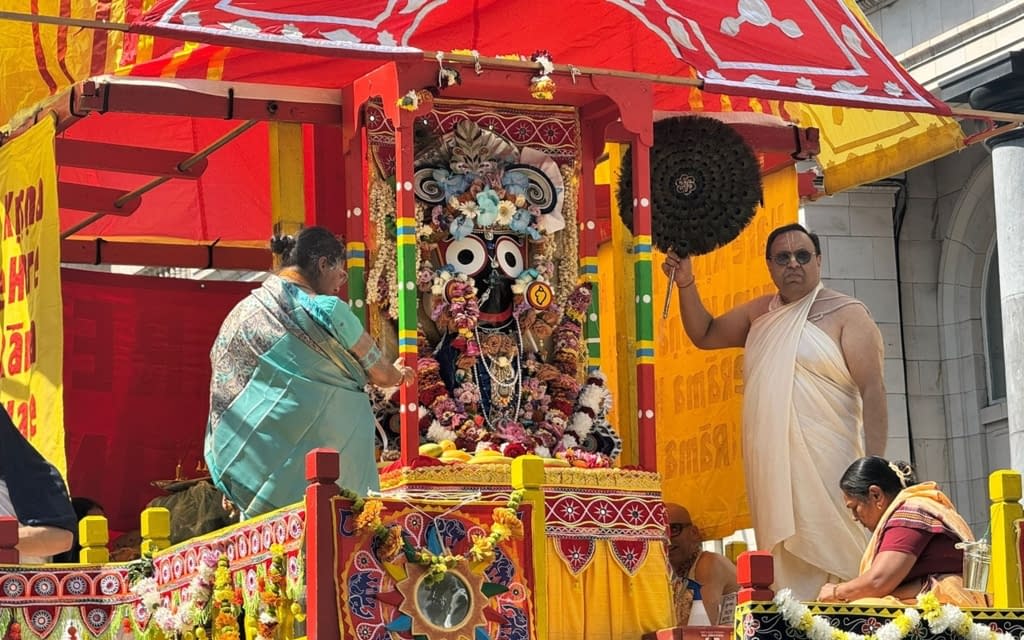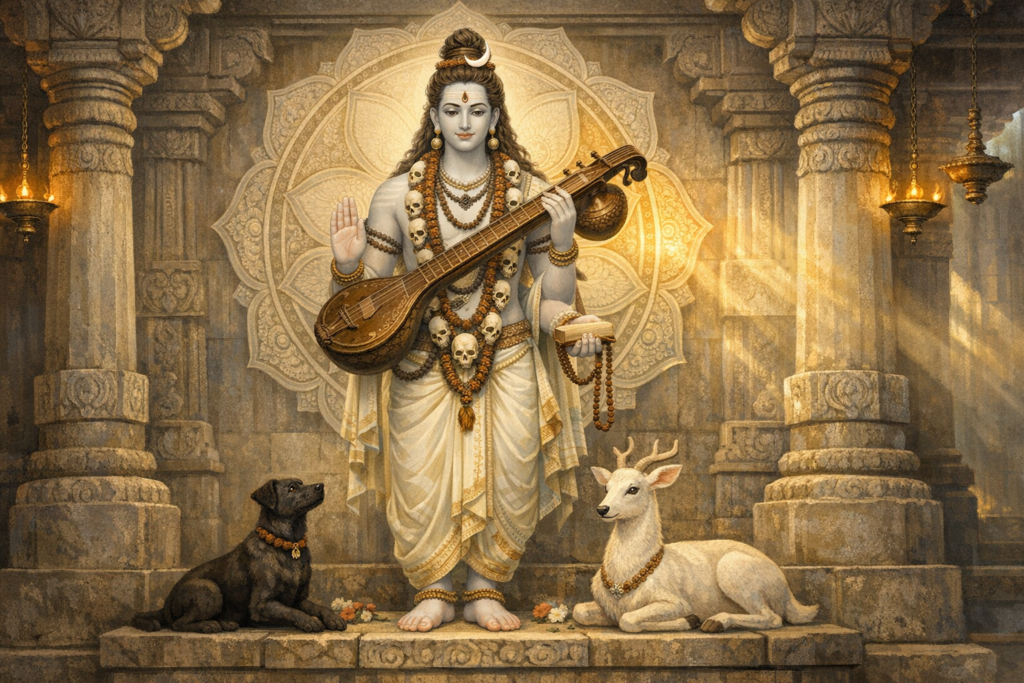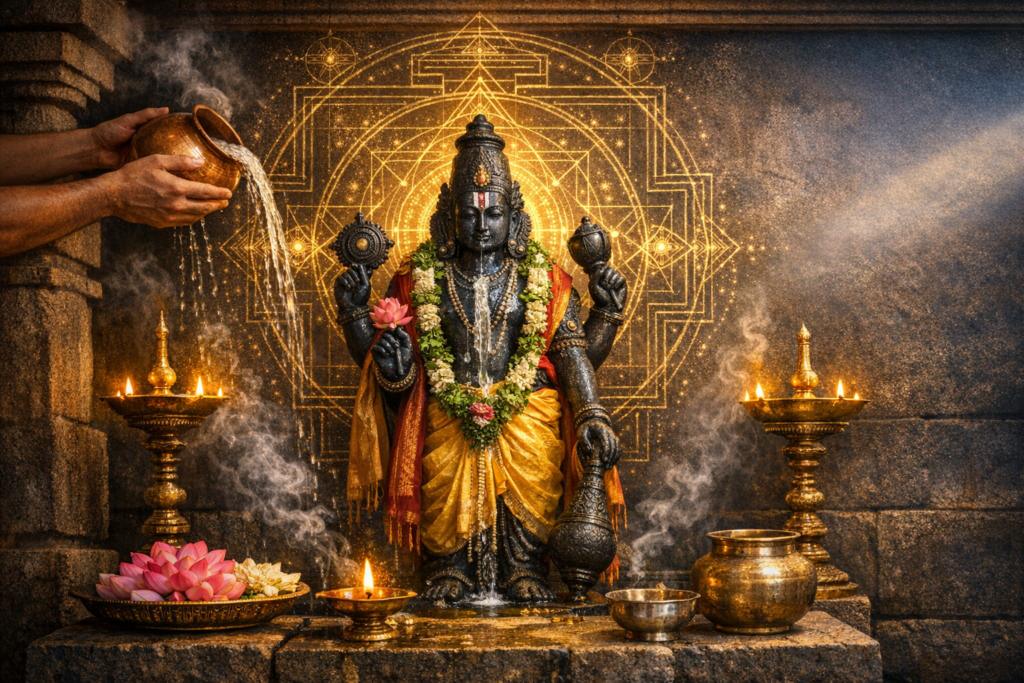
Hindu philosophy frequently locates the origin of suffering in the felt separateness generated by nāma (name) and rūpa (form). Within this framework, identification with labels and appearances obscures the underlying unity of existence, producing misapprehension and distress. Read as a guiding insight rather than a dogma, this view opens an accessible path toward inner clarity and communal harmony.
In the Upanishadic vision, nāma and rūpa are provisional designations that organize experience, not ultimate realities. Advaita-oriented readings describe them as superimpositions sustained by avidyā (misapprehension), veiling the non-dual ground. The Bhagavad Gita repeatedly addresses this misidentification through teachings on discernment (viveka), devoted orientation (bhakti), and equanimous action (karma yoga), directing attention from transient signifiers to enduring truth.
Psychologically, the mechanism is familiar. When identity fuses with job titles, social roles, possessions, or bodily attributes, anxiety and comparison intensify; when labels shift, one’s sense of worth wavers. In everyday situations—performance reviews, online profiles, or family expectations—attachment to names and forms can amplify fear of loss and craving for approval. Recognizing the provisional nature of these designations softens reactivity and restores balance.
This insight resonates across the broader dharmic family. Buddhism’s emphasis on anatta (non-self) and dependent origination highlights the contingency of all compounded phenomena. Jainism’s Anekantavada underscores the many-sidedness of truth, cautioning against absolutizing any single standpoint. Sikh teachings on Ik Onkar and the critique of haumai (egoic self-centeredness) affirm unity amidst diversity. Together, these perspectives strengthen religious pluralism, offering complementary lenses that reduce suffering without erasing distinct paths.
Hindu traditions present multiple, convergent avenues for loosening the grip of nāma-rūpa. Jñāna pathways cultivate discrimination between the transient and the eternal; bhakti invites devotion to Ishvara in a chosen Ishta, refining love beyond possessiveness; karma yoga aligns action with dharma while relinquishing clinging to outcomes. Rather than negating names and forms, these disciplines re-situate them as useful conventions within a larger, unifying reality.
Practical reflections help translate philosophy into lived experience. Brief pauses of breath awareness can reveal how quickly the mind names, compares, and judges. Gentle inquiry—neti, neti (not this, not this)—clarifies what is merely circumstantial versus what is abiding. Compassion practices loosen rigid self/other boundaries, while mindful speech reduces overinvestment in labels. Small, consistent steps often yield durable calm.
Socially, seeing beyond hardened identities supports unity in diversity. When names and forms are honored as cultural and spiritual treasures—but not absolutized—collective dialogue becomes more generous. This orientation aligns with India’s long-standing commitment to religious coexistence, where Hinduism, Buddhism, Jainism, and Sikhism retain integrity while recognizing shared ethical and contemplative foundations.
Viewed through this dharmic lens, suffering diminishes as separateness softens. Names and forms continue to serve daily life, yet they no longer imprison meaning. By balancing discernment with devotion and service, and by welcoming plural paths to moksha, communities can cultivate inner freedom while deepening mutual respect—affirming that unity and plurality are not rivals but complementary truths.
Inspired by this post on Hindu Blog.