Hinduism, or Sanatana Dharma, affirms a profound insight: no two individuals hold identical knowledge or experience of the Divine. This recognition of interior diversity is not a concession but a core philosophical strength, shaping ethical life, social harmony, and spiritual practice. By honoring varied temperaments and life-stages, Hinduism frames spiritual realization as personal, dynamic, and evolving rather than uniform or prescriptive.
Classical sources reinforce this inclusivity. The Upanishads invite inquiry through neti neti, encouraging seekers to transcend limiting concepts, while the Bhagavad Gita proclaims, “ye yathā māṁ prapadyante tāṁs tathaiva bhajāmy aham,” affirming that the Divine responds to seekers in the manner they approach. This hermeneutic of openness situates personal realization at the heart of Hindu spirituality, where validity is measured not by sameness but by sincerity, discipline, and transformative insight.
The concept of Ishta in Hinduism offers a practical framework for this diversity. Ishta-devata, the chosen form or ideal, allows each person to engage with the Divine according to inner resonancethrough a murti in a temple, a mantra in meditation, or an ethical vow in daily life. A seeker may find stillness in jnana, devotion in bhakti, service in karma, or integration in raja yoga; each path remains legitimate when grounded in dharma and pursued with humility.
This inclusive vision aligns naturally with the broader family of Dharmic Traditions. Jain philosophy articulates Anekantavada, the doctrine of many-sidedness, reminding society that truth can be approached from multiple perspectives. Buddhism emphasizes upaya (skillful means), validating diverse practices that lead to liberation, and Sikh teachings of Ik Onkar affirm a unifying, ineffable reality. Together, these insights advance unity in spiritual diversity without collapsing distinctions or erasing particular identities.
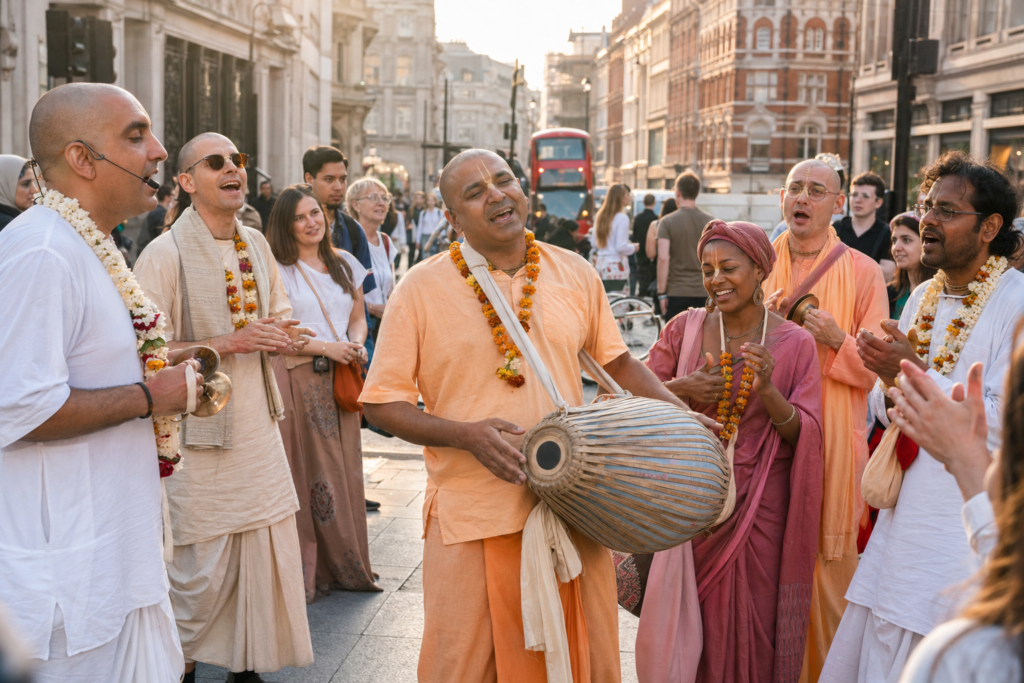
In lived experience, this plurality becomes both intimate and communal. One household may observe aarti and mindfulness meditation side by side; another may study the Upanishads while honoring seva as a daily discipline. Communities often weave together Vedic chanting, kirtan, and contemplative silence, demonstrating that religious pluralism in India is not merely theoreticalit is a civilizational practice that builds empathy and shared meaning.
Philosophically, this approach resists narrow exclusivism and supports respectful dialogue across differences. Rather than seeking a single authorized path, it encourages seekers to examine temperament, context, and ethical responsibility. Thinkers such as Swami Vivekananda emphasized harmony over uniformity, urging society to protect freedom of conscience while cultivating mutual reverence among varied schools and sampradayas. Such an ethic strengthens social cohesion and protects sacred plurality.
For practitioners, the guidance is clear and actionable. Identify a principal pathbhakti, jnana, karma, or raja yogawhile remaining open to complementary disciplines that stabilize mind and character. Seekers benefit from a trusted guru or mentor, the study of scriptures, and a rhythm of practice that includes svadhyaya (self-study), tapas (discipline), and dana or seva (service). Progress is measured not by agreement with others but by clarity of mind, compassion in conduct, and depth of insight.
Emotionally and ethically, recognition of multiple valid approaches fosters belonging. When individuals sense that their Ishta is honored, they participate more wholeheartedly in community life, cooperate across traditions, and extend respect to those who walk differently. This reduces sectarian tension and nurtures a culture in which spiritual differences become resources for learning rather than triggers for division.
Ultimately, Sanatana Dharma does not fear diversity; it cultivates it responsibly. By affirming that no two people know the Divine in precisely the same way, Hinduism protects freedom of worship while nurturing a shared commitment to dharma. In partnership with Buddhism, Jainism, and Sikhism, this ethos sustains a civilizational promise: many paths, one truth, and a common aspiration toward wisdom, compassion, and liberation.
Inspired by this post on Hindu Blog.