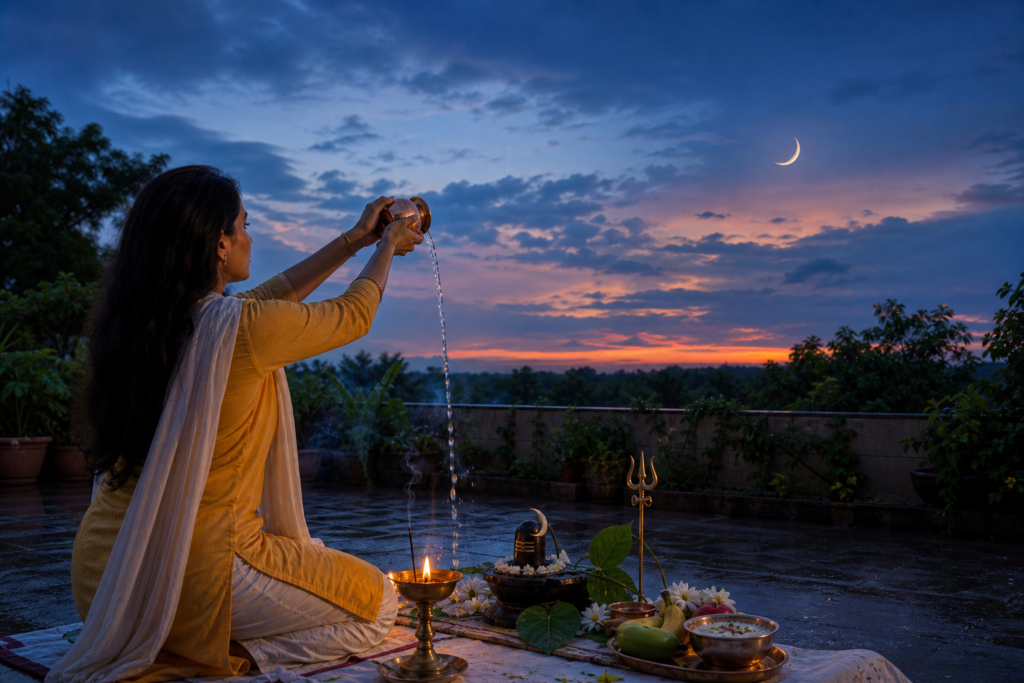
Samnyasayoga in Hinduism articulates the disciplined path of renunciation, not as withdrawal from society but as inner disentanglement from craving and possession. Sanyasa Yoga directs attention toward self-realization and the ultimate truthBrahmanby prioritizing clarity of awareness over external austerity. In this understanding, renunciation becomes a refined orientation of heart and mind, where vairagya (dispassion) supports a steady commitment to knowledge, compassion, and ethical living.
The Kaivalya Upanishad presents a lucid framework for this vision. It describes sannyasa as an inward turn supported by śraddhā (trustful receptivity), bhakti (devoted attunement), and dhyāna (meditative absorption), culminating in the realization that Ātman is Brahman. Within the Vedanta tradition, such recognition dissolves the sense of separateness and reveals kaivalyaliberation through knowledge. The text thus moves beyond mere physical renunciation and emphasizes inner detachment as the means to stable wisdom and moksha.
Within contemporary life, Sanyasa Yoga is often expressed through thoughtful simplicity rather than monastic vows. Practitioners report that mindful limits on consumption, attention, and technology ease restlessness and foster a calm, observant mind. Aligned with aparigraha (non-grasping), these choices are not deprivation but deliberate spaciousnessmaking room for contemplation, service, and steady remembrance of Brahman amid daily responsibilities. Such inner renunciation refines discernment, strengthens integrity, and sustains emotional balance.
This ethos resonates across the broader dharmic family. In Buddhism, renunciation frames the cultivation of sīla, samādhi, and prajñā; in Jainism, aparigraha and ahiṁsā anchor the path of liberation; in Sikh tradition, inner detachment (tyaag) coexists with seva and righteous engagement in the world. While expressions differ, the unifying current is clear: freedom ripens through self-discipline, compassion, and insight. Sanyasa Yoga thus offers a shared vocabulary of inner freedom that enriches Hinduism and affirms harmony with allied dharmic traditions.
Many seekers describe the affective texture of Sanyasa Yoga as a quiet lighteningan easing of status anxiety, comparison, and compulsion. As clinging recedes, relationships often deepen, gratitude becomes more spontaneous, and courage to act ethically strengthens. Emotional life does not flatten; rather, it becomes clearer, more responsive, and less entangled. In this way, peace is not escape but presencean unobstructed capacity to meet life with steadiness and care.
Classical Yoga philosophy suggests practical avenues for embodying this path: regular dhyāna to stabilize attention; svādhyāya (self-inquiry) to examine motives; karma yoga to purify intention through service; and ethical observances that protect the mind from agitation. Integrated with Vedanta’s inquiry into the nature of the Self, these disciplines help convert insight into lived transformation. Over time, Samnyasayoga matures into a quiet confidence that action can be skillful without attachment and rest can be alert without indifference.
Sanyasa Yoga therefore stands as an enduring guide within Hinduismrooted in the Upanishads, illuminated by Vedanta, and relevant to modern seekers who value depth over distraction. By encouraging inner renunciation, it fortifies unity across dharmic traditions and nurtures a culture of compassion, wisdom, and responsibility. The path does not ask for rejection of the world; it asks for refined participation in it, grounded in the knowledge that the Self and Brahman are one.
Inspired by this post on Hindu Blog.