
-
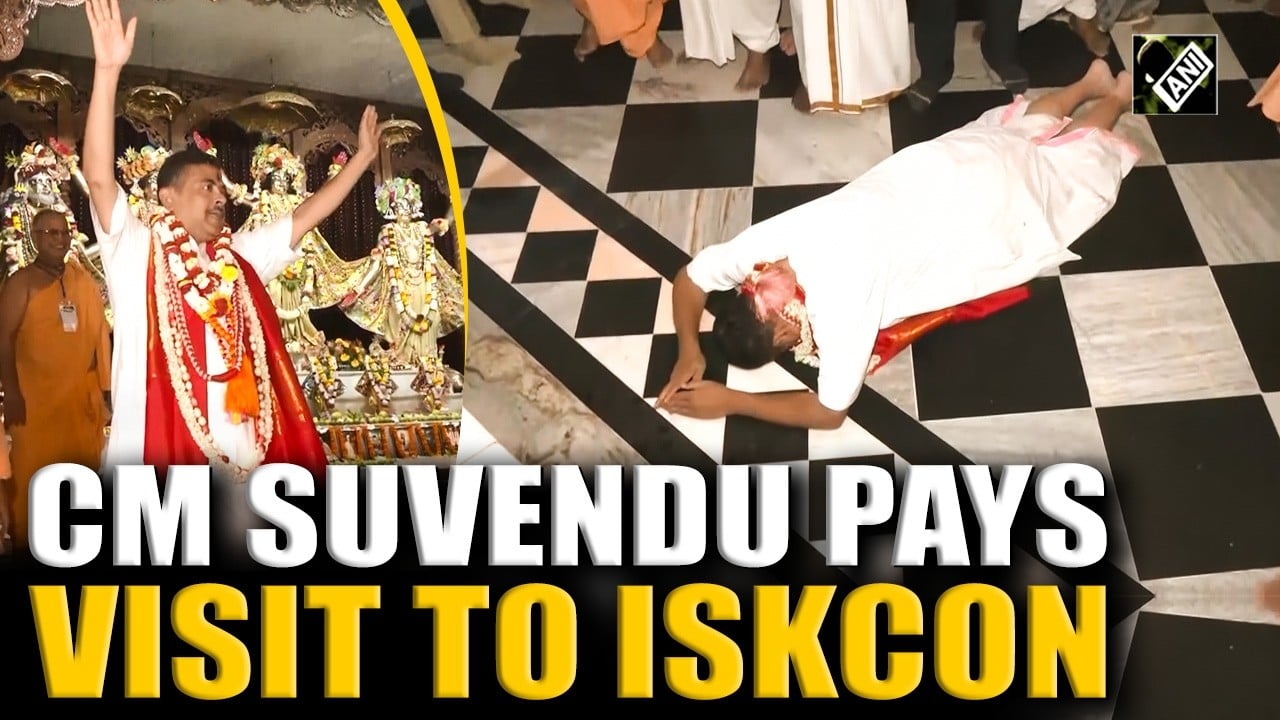
Devotion and Public Service: Suvendu Adhikari leads Aarti at ISKCON Mayapur, West Bengal
Read more: Devotion and Public Service: Suvendu Adhikari leads Aarti at ISKCON Mayapur, West BengalSuvendu Adhikari, Leader of the Opposition in West Bengal, visited ISKCON Mayapur in Nadia district to perform aarti and pay respects to Srila Prabhupada, drawing an enthusiastic response from devotees. The report explains why Mayapur is central to Gaudiya Vaishnavism and the global Hare Krishna movement, highlighting the Sri Mayapur Chandrodaya Mandir and the Temple…
-

From Self-Consciousness to True Belonging: Evidence-Based Shifts in Presence and Self-Acceptance
Read more: From Self-Consciousness to True Belonging: Evidence-Based Shifts in Presence and Self-AcceptanceThis evidence-based reflection traces a shift from strategic blending to authentic belonging, showing how small, repeatable choices can transform chronic self-consciousness into grounded presence. It explains the psychological mechanisms involved—social comparison, high self-monitoring, rejection sensitivity, and the spotlight effect—and how to dismantle them with practice. The narrative integrates dharmic insights from Hinduism, Buddhism, Jainism, and…
-
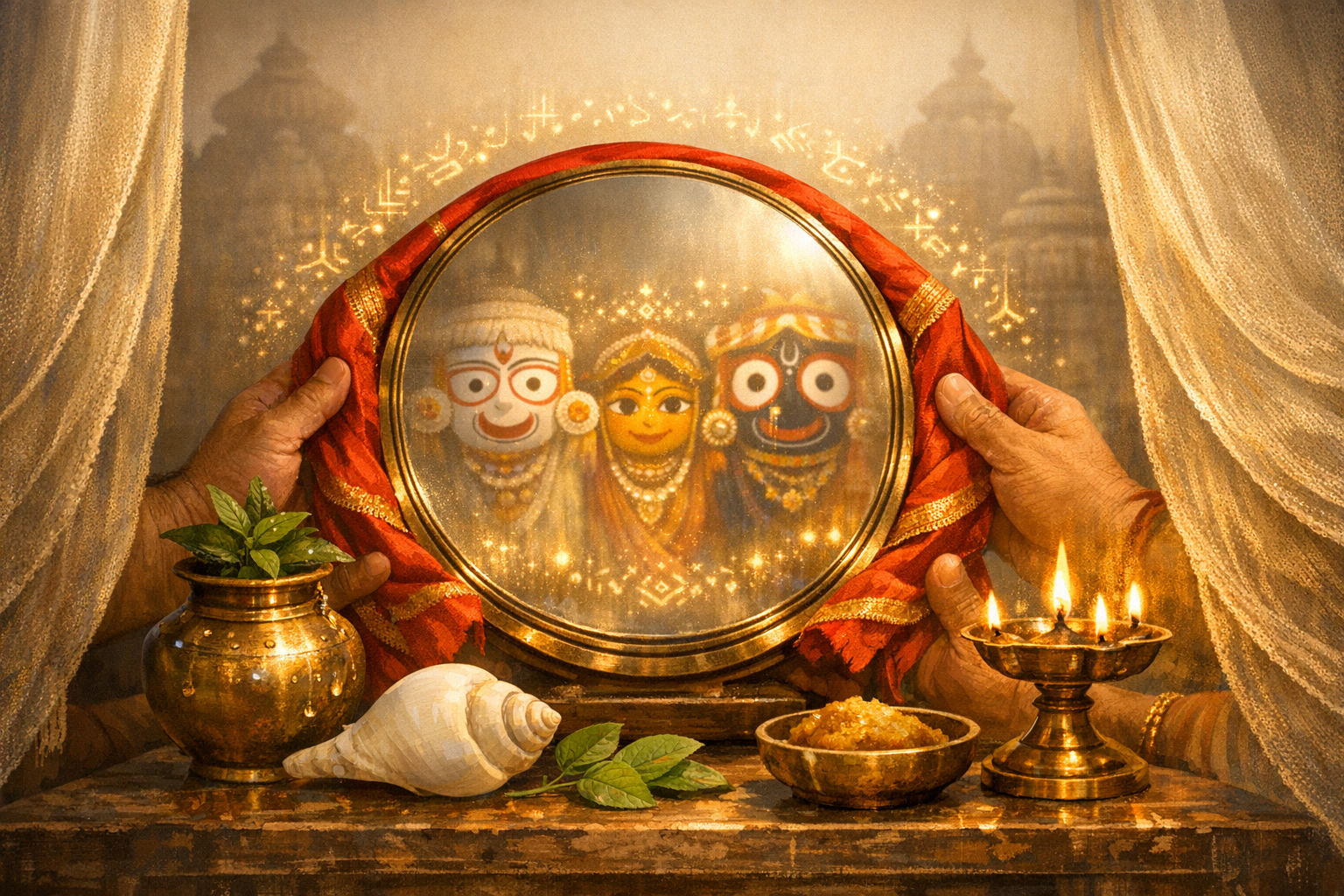
Snan Darpan at Puri: The Sacred Mirror Bath Preserving Jagannath and Revealing Living Dharma
Read more: Snan Darpan at Puri: The Sacred Mirror Bath Preserving Jagannath and Revealing Living DharmaAt Puri’s Jagannath Temple, Snan Darpan—“bathing by the sacred mirror”—unites Agamic ritual theory with careful conservation of the daru-brahma murtis. A consecrated mirror receives the ablutionary mantras and offerings, transmitting the bath to Mahaprabhu Jagannath by reflection rather than direct immersion. This practice preserves delicate wooden images while remaining fully orthodox within temple paddhatis. The…
-

Timeless Dharmic Science of Joy: A Sacred Blueprint for Lasting Happiness Within
Read more: Timeless Dharmic Science of Joy: A Sacred Blueprint for Lasting Happiness WithinHindu philosophy holds that lasting happiness is not acquired but uncovered by cultivating a living relationship with the Divine within. Drawing on the Upanishads, Bhagavad Gita, and Yoga philosophy, this exploration distinguishes fleeting pleasure from the abiding fullness called ānanda. The analysis integrates Advaita, Viśiṣṭādvaita, and Dvaita perspectives, while honoring dharmic unity with Buddhism, Jainism,…
-

Kamakhya’s 16-Day Navratri 2026: Definitive Guide to Assam’s Unique Shakta Puja and Darshan
Read more: Kamakhya’s 16-Day Navratri 2026: Definitive Guide to Assam’s Unique Shakta Puja and DarshanKamakhya Temple in Guwahati, Assam, hosts a rare sixteen-day observance of Durga Puja and Navratri in 2026, rooted in Shakta-tantric tradition and the temple’s aniconic yoni-pitha. Unlike the mainstream nine-night format, Kamakhya’s Shodasha-dinātmak Navaratri integrates Shodasha Upachara, daily Chandi Path, Kumari Puja, Sandhi Puja, and homa, culminating in Vijayadashami. The complex’s Daśa Mahāvidyā shrines and…
-

June 5, 2026 Panchang: Exact Tithi Timings, Auspicious Muhurtas, Nakshatra and Rashi Insights
Read more: June 5, 2026 Panchang: Exact Tithi Timings, Auspicious Muhurtas, Nakshatra and Rashi InsightsJune 5, 2026 aligns with Krishna Paksha Panchami until 9:29 PM, after which Sashti begins, a change that guides how vratas and muhurta choices are made. The article explains how tithi is computed astronomically and why times vary by location, underscoring the sunrise rule used for many observances. It outlines daily tools such as Abhijit…
-
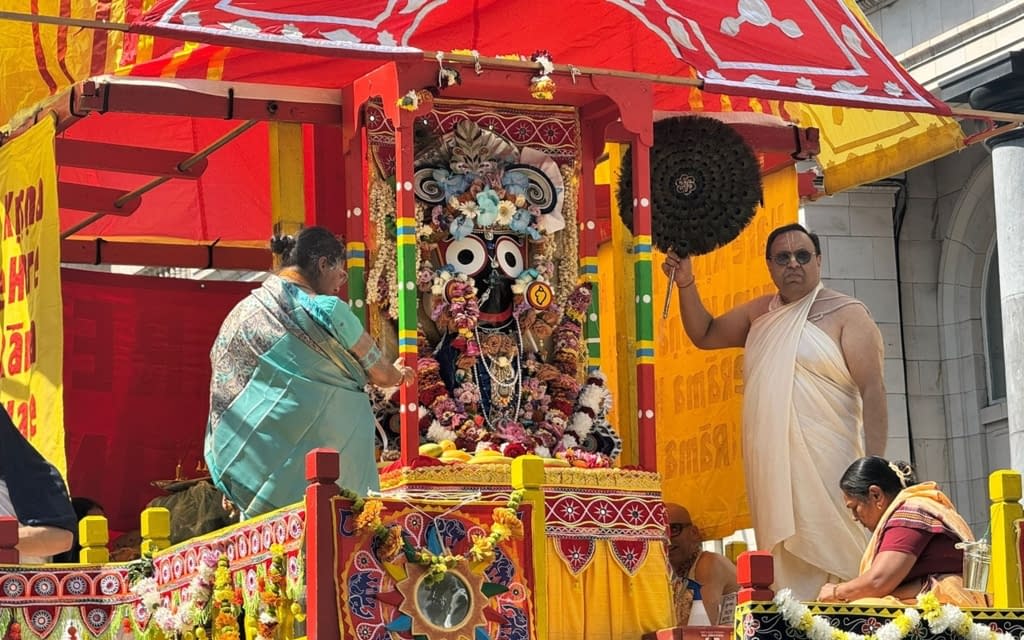
London’s Festival of Chariots 2026: 57 Years of Devotion, Culture, and Community Spirit
Read more: London’s Festival of Chariots 2026: 57 Years of Devotion, Culture, and Community SpiritThe 2026 London Rathayatra gathered more than 10,000 participants along Park Lane to accompany three 40-foot chariots in a joyful display of devotion and cultural heritage. Marking 57 years on London’s streets since 1969, the Festival of Chariots demonstrated how an ancient Indian tradition thrives in a modern, multicultural city. The procession honoured Lord Jagannath,…
-

Savarkar Jayanti in Kolkata: Debating ‘Hinduize the Politics and Militarize the Hindudom’
Read more: Savarkar Jayanti in Kolkata: Debating ‘Hinduize the Politics and Militarize the Hindudom’Held on 28 May 2026, the Hindu Samaj Kalyan Samiti’s Savarkar Jayanti in Kolkata revisited the maxim ‘Hinduize the Politics and Militarize the Hindudom’ through a constitutional, dharmic lens. The analysis situates V D Savarkar’s thought historically and reframes the slogan as a call for ethics-driven public life and lawful, nonviolent resilience. It underscores pathways…
-
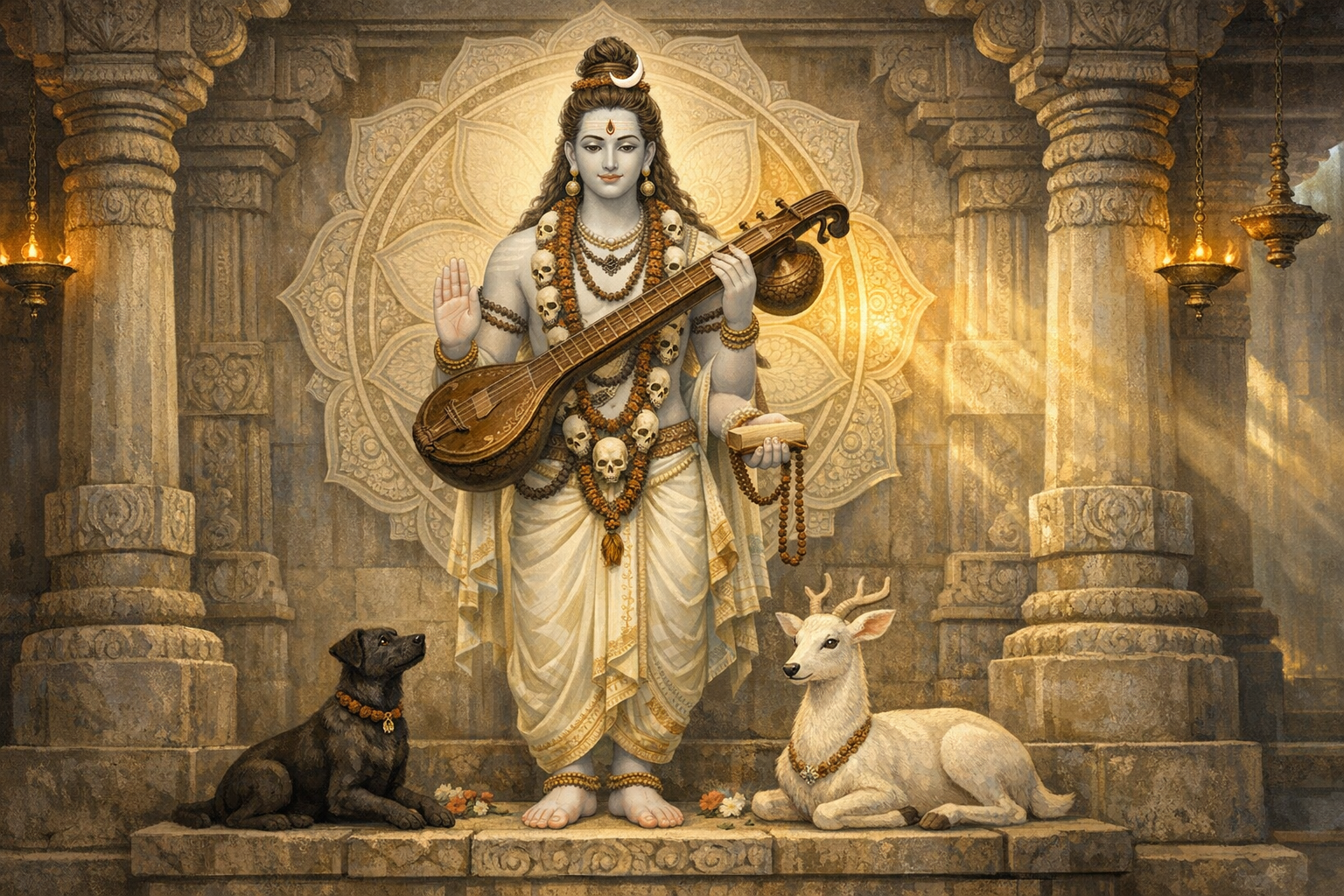
Ruru Bhairava Iconography Unveiled: The Gentle Guru Among the 64 Fierce Protectors
Read more: Ruru Bhairava Iconography Unveiled: The Gentle Guru Among the 64 Fierce ProtectorsRuru Bhairava is revered as the teacher among the sixty-four manifestations of Bhairava, presiding over the second group within the Ashtashta Bhairavas. Iconography emphasizes a serene, pedagogical presence—often with a vīṇā, book, or rosary—set within Bhairava’s standard emblems such as jaṭā, serpent ornaments, and the crescent moon. Regional traditions vary in vāhana and hand-attributes, but…
-

How to Stay Light‑Hearted in Bleak Times: Evidence‑Based Dharmic Strategies for Resilience
Read more: How to Stay Light‑Hearted in Bleak Times: Evidence‑Based Dharmic Strategies for ResilienceThis essay examines how to remain light‑hearted when life feels bleak by integrating dharmic wisdom with contemporary psychology. It reframes a childhood vignette—eating ice cream under sodium lights—as a practical method for values‑aligned action in the presence of difficult emotions. Drawing on Hindu concepts like aparigraha, Buddhist mindfulness and equanimity, Jain Anekantavada, and Sikh chardi…
-

Decoding the Ten Siddhi Devis: Guardians of Mahameru’s Sri Chakra First Avarana
Read more: Decoding the Ten Siddhi Devis: Guardians of Mahameru’s Sri Chakra First AvaranaThe Mahameru Sri Chakra’s first avarana—Trailokya-mohana, the bhupura—houses the Ten Siddhi Devis who guard the sacred threshold from Anima to Sarvakama. This long-form, research-driven essay decodes their technical meanings, ritual functions in Sri Vidya navavarana puja, and practical correlates in attention, ethics, and resilience. It clarifies variant lineage lists while preserving accuracy, situating siddhi within…
-
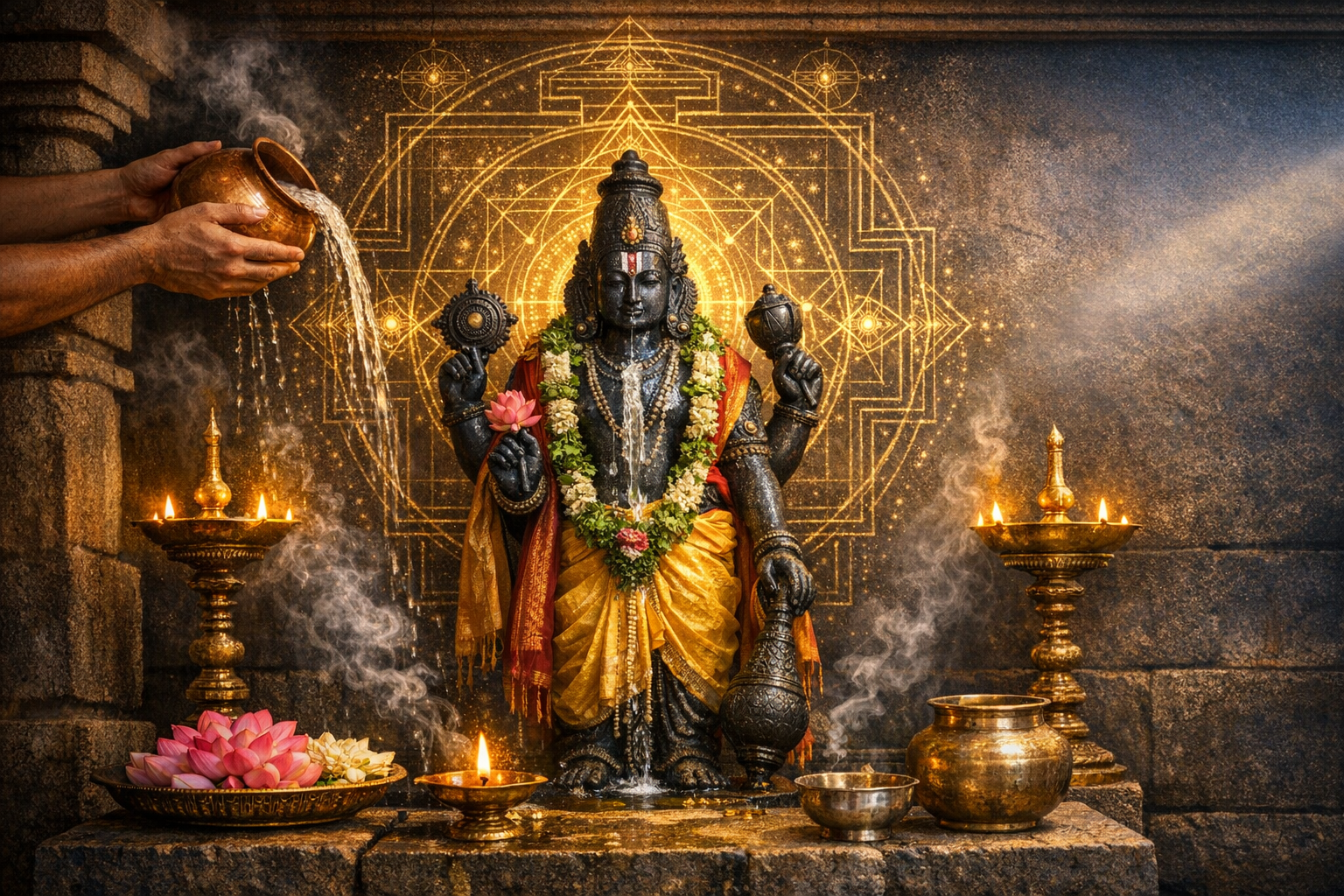
Padma Samhita Unveiled: Timeless Pancharatra Rituals to Elevate Modern Spiritual Life
Read more: Padma Samhita Unveiled: Timeless Pancharatra Rituals to Elevate Modern Spiritual LifePadma Samhita is a cornerstone of the Pañcarātra tradition, detailing thirty-one chapters that integrate temple construction, mūrti consecration, daily worship, and ethical formation. This overview explains its core theology—the vyūha doctrine and arcā avatāra—and shows how mantras such as Om Namo Nārāyaṇāya and Om Namo Bhagavate Vāsudevāya shape steady household practice. Readers gain a practical…
-

Temple Lands at Risk? Why Maharashtra’s 2026 Devasthan Inams Draft Act Alarms Dharmic Bodies
Read more: Temple Lands at Risk? Why Maharashtra’s 2026 Devasthan Inams Draft Act Alarms Dharmic BodiesMaharashtra’s proposed Devasthan Inams Abolition Draft Act, 2026 has raised alarms among temple trusts and dharmic institutions that rely on endowment-backed revenues for worship, welfare, and heritage conservation. This analysis clarifies what devasthan inams are, why they matter to community life across Hindu, Buddhist, Jain, and Sikh traditions, and how constitutional safeguards under Articles 25,…
-

Vermilion Box (Sindoor Dabi): Goddess Lakshmi’s Grace, Prosperity Rituals, and Living Heritage
Read more: Vermilion Box (Sindoor Dabi): Goddess Lakshmi’s Grace, Prosperity Rituals, and Living HeritageThe Vermilion Box (Sindoor Dabi) is a living symbol of Goddess Lakshmi’s grace in Hindu homes, especially in Bengal and eastern India. This long-form exploration traces its ritual role in Panchopachara and Shodashopachara, its association with the sacred feminine, and its regional craft vocabularies. Readers learn how red—through kumkum or sindoor—visualizes ethical prosperity, and how…
-

Safeguarding Vishalgad’s Sanctity: Heritage-First Legal Review of Rehan Malik’s Urs
Read more: Safeguarding Vishalgad’s Sanctity: Heritage-First Legal Review of Rehan Malik’s UrsHindu Ekta Andolan’s appeal regarding the Urs of Rehan Malik at Vishalgad Fort raises a conservation and public-safety question rather than a dispute of faith. This analysis explains Vishalgad’s historical significance, outlines how heritage and environmental laws apply, and details the conservation science behind crowd-induced stress on fragile masonry. It clarifies the meaning and practices…
-

Overcoming Egoism and Lethargy in Kali-Yuga: Bhagavad Gita Guidance for Humility and Seva
Read more: Overcoming Egoism and Lethargy in Kali-Yuga: Bhagavad Gita Guidance for Humility and SevaEgoism and lethargy are two subtle forces that derail spiritual progress in Kali-Yuga. Drawing on Bhagavad Gita teachings and parallel insights from Buddhism, Jainism, and Sikhism, this article explains how false ego (ahankara) reframes practice around I and mine, while tamasic inertia fosters delay and neglect. It then offers an integrated, practical program that combines…
-
Unshakable Safety in Saranagati: Why Krishna’s Protection Surpasses All Obstacles
Read more: Unshakable Safety in Saranagati: Why Krishna’s Protection Surpasses All ObstaclesThis essay examines the Vaishnava doctrine of saranagati—surrender to Krishna—as an intellectually rigorous and ethically disciplined path to unshakable protection. Anchored in Bhagavad Gita assurances (4.11, 9.22, 18.66) and illuminated by case studies such as Gajendra, Draupadi, Prahlada, and Govardhana, it shows how divine shelter operates within, not outside, responsible agency. The six limbs of…
-

Mastering Bhakti Yoga: How Loving Krishna Transforms Stress into Unshakable Peace
Read more: Mastering Bhakti Yoga: How Loving Krishna Transforms Stress into Unshakable PeaceBhakti yoga reframes modern stress by transforming daily work into purposeful seva anchored in Bhagavad Gita teachings. Regulated living in eating, sleep, speech, and activity cultivates sattva and aligns with contemporary research on circadian health. Japa and kirtan enhance attentional control and calm the nervous system, supporting wiser choices in work and relationships. A practical…
-

Neither Sat Nor Asat: Rigveda’s Nasadiya Sukta, Vedic Cosmology, and Sacred Paradox Explained
Read more: Neither Sat Nor Asat: Rigveda’s Nasadiya Sukta, Vedic Cosmology, and Sacred Paradox ExplainedRigveda’s Nasadiya Sukta opens with the paradox “neither sat nor asat,” a precise philosophical strategy rather than a rhetorical flourish. Read in concert with the Upanishads, the hymn marks a pre-categorical horizon where ordinary predicates fail, complementing later Vedantic distinctions between ultimate and conventional truth. Classical schools clarify its logic: Sāṅkhya’s causal latency, Nyāya’s theory…
-

Jnana–Karma Samuccaya Vada in Vedanta: Unifying Knowledge and Action on the Path to Moksha
Read more: Jnana–Karma Samuccaya Vada in Vedanta: Unifying Knowledge and Action on the Path to MokshaJnana Karma Samuccaya Vada explains how knowledge (jnana) and action (karma) can operate together on the path to moksha without diluting the distinctive role of each. Drawing on the Bhagavad Gita, Brahma Sutra, and classical Vedanta, it clarifies why Advaita treats karma as preparatory, how Bhedabheda argues for a robust synthesis, and how Vishishtadvaita and…
-

Pride Is Not Supremacy: Debunking Smears‑by‑Association Against Hindu American Communities
Read more: Pride Is Not Supremacy: Debunking Smears‑by‑Association Against Hindu American CommunitiesThis evidence-driven analysis explains why smears-by-association misrepresent Hindu American community life and fuel Hinduphobia. It clarifies the difference between heritage and ideology, showing how family ties, youth camps, and diaspora networks are normal civic features, not pipelines to extremism. Readers learn practical standards for ethical journalism—quote the person, document conduct, triangulate records—and how these protect…
-
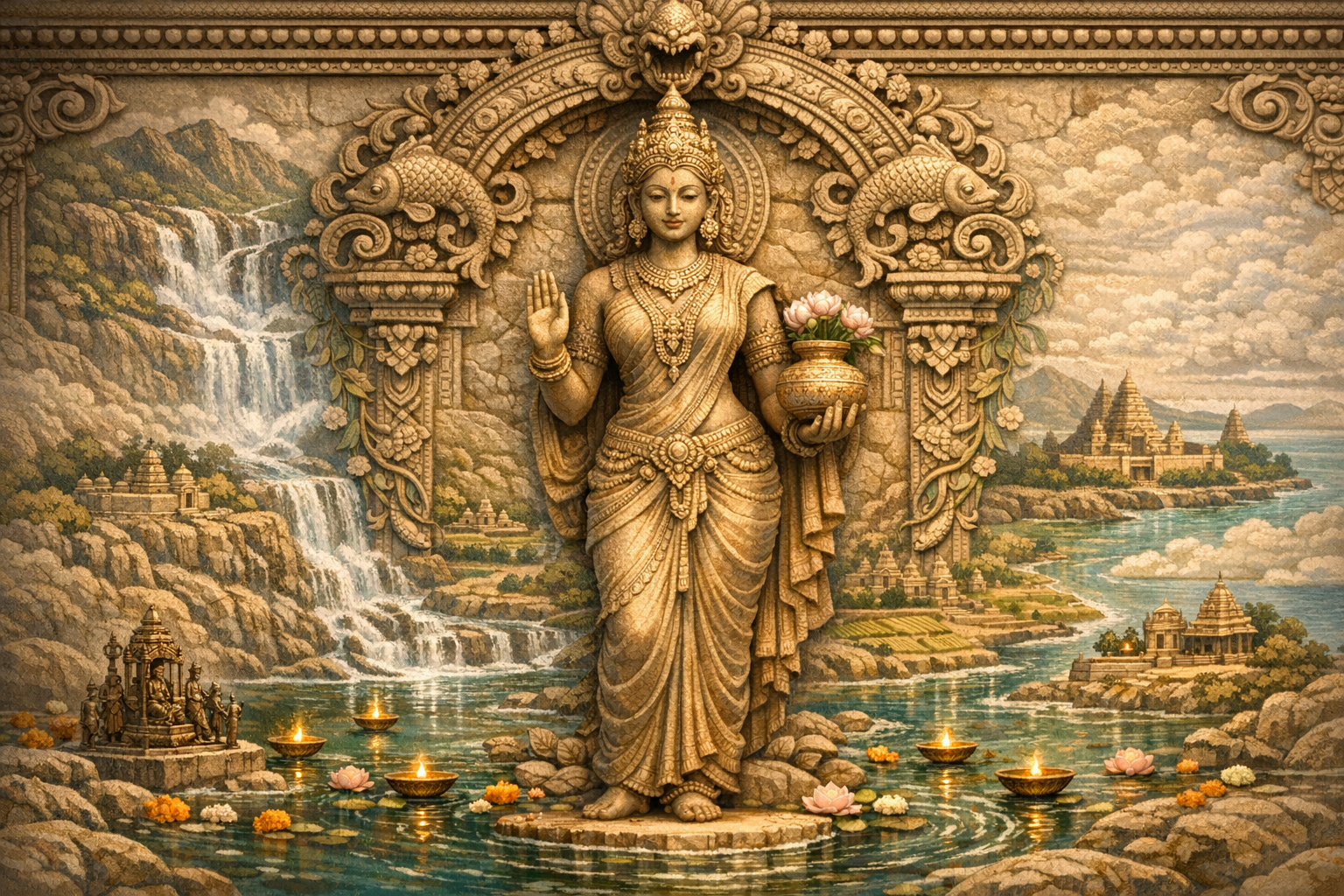
Unveiling Goddess Kaveri in Hindu Sculpture: Iconography, Ritual Power, and Sacred Geography
Read more: Unveiling Goddess Kaveri in Hindu Sculpture: Iconography, Ritual Power, and Sacred GeographyGoddess Kaveri, revered as a living river and divine mother, is rendered in Hindu sculpture through a precise visual grammar that blends Shilpa Shastra canons with the lived rhythms of sacred geography. This essay explains how to recognize her iconography, from kumbha and lotus attributes to makara-toranas and gentle mudras, and shows where she commonly…
-

From Reactivity to Freedom: Dharmic Wisdom on Maya, Attention, and Inner Mastery
Read more: From Reactivity to Freedom: Dharmic Wisdom on Maya, Attention, and Inner MasteryModern life conditions people to react incessantly; dharmic traditions explain this reflex as a misperception of appearances—Maya in Hinduism, avidyā and dependent origination in Buddhism, mithyātva and kashāyas in Jainism, and the pull of Maya away from Naam in Sikhism. Rather than denying experience, these lineages teach methods to recalibrate perception and lengthen the gap…
-

June 4, 2026 Panchang (IST): Clear Tithi Timings, Auspicious Windows, Nakshatra & Rashi Guidance
Read more: June 4, 2026 Panchang (IST): Clear Tithi Timings, Auspicious Windows, Nakshatra & Rashi GuidanceThursday, 4 June 2026 (IST) features Krishna Paksha Chaturthi until 20:25 IST, after which Krishna Paksha Panchami begins. This guide explains how tithi boundaries are calculated, why they can fall at any time, and how to use them for planning. It outlines proven methods for deriving Abhijit Muhurat, Brahma Muhurta, Rahu Kalam, Yamaganda, Gulika Kala,…
Categories
- Agriculture (20)
- Akhand Bharat (30)
- Aryan Migration -vs- Out of India (8)
- Ayurveda (20)
- Celebrations (882)
- Community (150)
- Community Events (228)
- Cross Posted (105)
- Cultural Advocacy (33)
- Cultural Commentary (61)
- Cultural Heritage (554)
- Cultural Insights (142)
- Cultural Issues (29)
- Cultural Traditions (757)
- Culture (33)
- Economics (22)
- Education (151)
- Geo-Politics (60)
- History (377)
- Indian Authors (6)
- International Trade (8)
- Labor Market (8)
- Literature (97)
- News (618)
- Opinion Pieces (143)
- Personal Reflections (161)
- Personalities (186)
- Philosophy (1,036)
- Politics (208)
- Scripts (3)
- Scriptures (973)
- Spiritual Insight (3,203)
- Spirituality (750)
- Temples (729)
- Tribute (65)
- Uncategorized (6)
- Yoga (103)
Archive