A stable and unwavering mind stands at the heart of Hindu philosophy. Across the Upanishads, the Bhagavad Gita, and Patanjali’s Yoga Sutras, steadiness of awareness is presented as the essential condition for perceiving the interconnectedness of lifethe whole. This steadiness is not passivity; it is the cultivated clarity that allows one to meet complexity without fragmentation, and to recognize unity amid diversity.
In the Upanishadic vision, the calm recognition that Atman and Brahman are not-two emerges when the mind is quiet and centered. The Bhagavad Gita describes the sthitaprajñaone of steady wisdomwhose equanimity allows true understanding and compassionate action. Patanjali’s system formalizes the path: through abhyāsa (sustained practice) and vairāgya (dispassion), the mind becomes still enough to “embrace the whole,” apprehending reality without distortion.
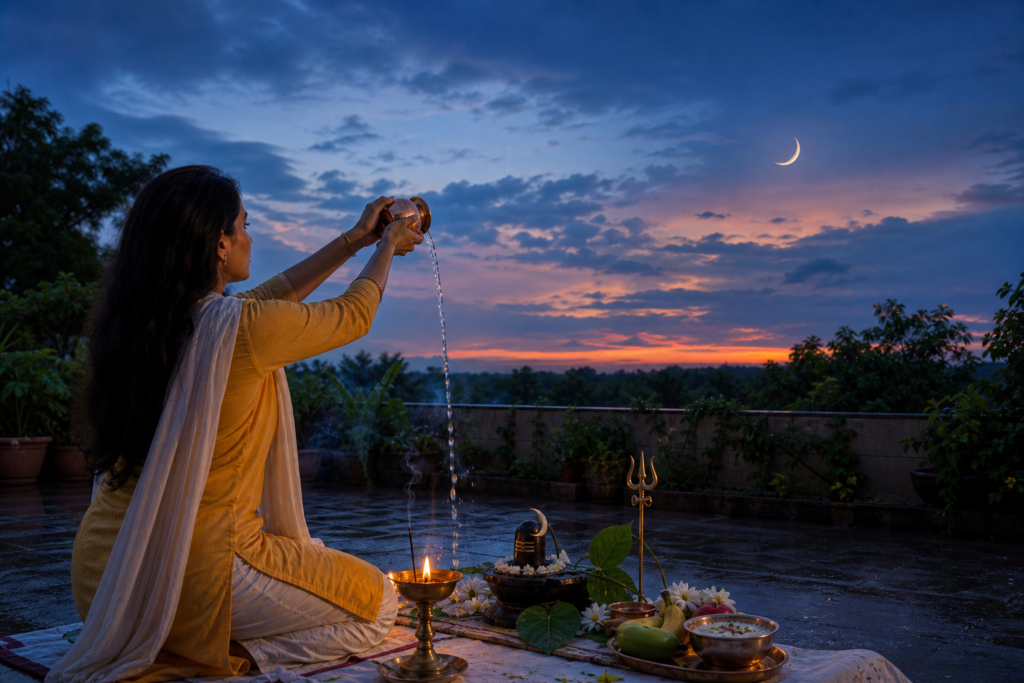
Practically, Patanjali traces a progression from pratyāhāra (withdrawing the senses) to dhāraṇā (one-pointed focus), dhyāna (uninterrupted contemplation), and samādhi (absorption). Many practitioners notice that when the breath steadies, reactions soften; when attention anchors gently, inner noise recedes. Simple rhythmsmindful breathing, mantra japa, or short periods of silent sittingcan restore balance in the midst of digital distraction and daily stress. This is mindfulness and meditation aligned with Yoga, not as a trend but as a disciplined way of being.
Ethical foundations stabilize this inner work. The yamas and niyamasahimsa (non-violence), satya (truthfulness), aparigraha (non-grasping), tapas (discipline), svādhyāya (self-study), and Īśvara-praṇidhāna (surrender to the Divine)quiet the causes of mental agitation. Karma Yoga, emphasized in the Bhagavad Gita, transforms action into a means of purification: offering the fruits of work dissolves anxiety and deepens inner steadiness. Over time, clarity, composure, and compassion reinforce each other, strengthening the capacity to perceive the interconnected whole.
This vision resonates across dharmic traditions. In Buddhism, samatha and vipassanā cultivate calm and insight, converging in equanimity (upekkhā). Jainism’s samyak darshan (right vision), samayik (periods of balanced contemplation), and pratikraman (reflective practice) nurture steady awareness and ethical restraint. Sikhism’s simran (remembrance of the Divine) and sehaj (natural equipoise) orient the mind toward abiding balance. These pathways share a commitment to unity in diversity: many methods, one aspirationan integrated mind that embraces the whole without erasing difference.
The fruit of a stable mind is not withdrawal from the world but wiser participation in it. Emotional balance improves relationships; mental clarity refines judgment; compassion widens the circle of belonging. When inner steadiness meets outer complexity, pluralistic harmony becomes practical: differences are approached with curiosity, dignity, and respect. In this way, the classical teachings of the Upanishads, the Bhagavad Gita, and Patanjali’s Yoga Sutras remain profoundly contemporaryoffering a grounded path to personal well-being and a shared ethic of peaceful coexistence.
Inspired by this post on Hindu Blog.