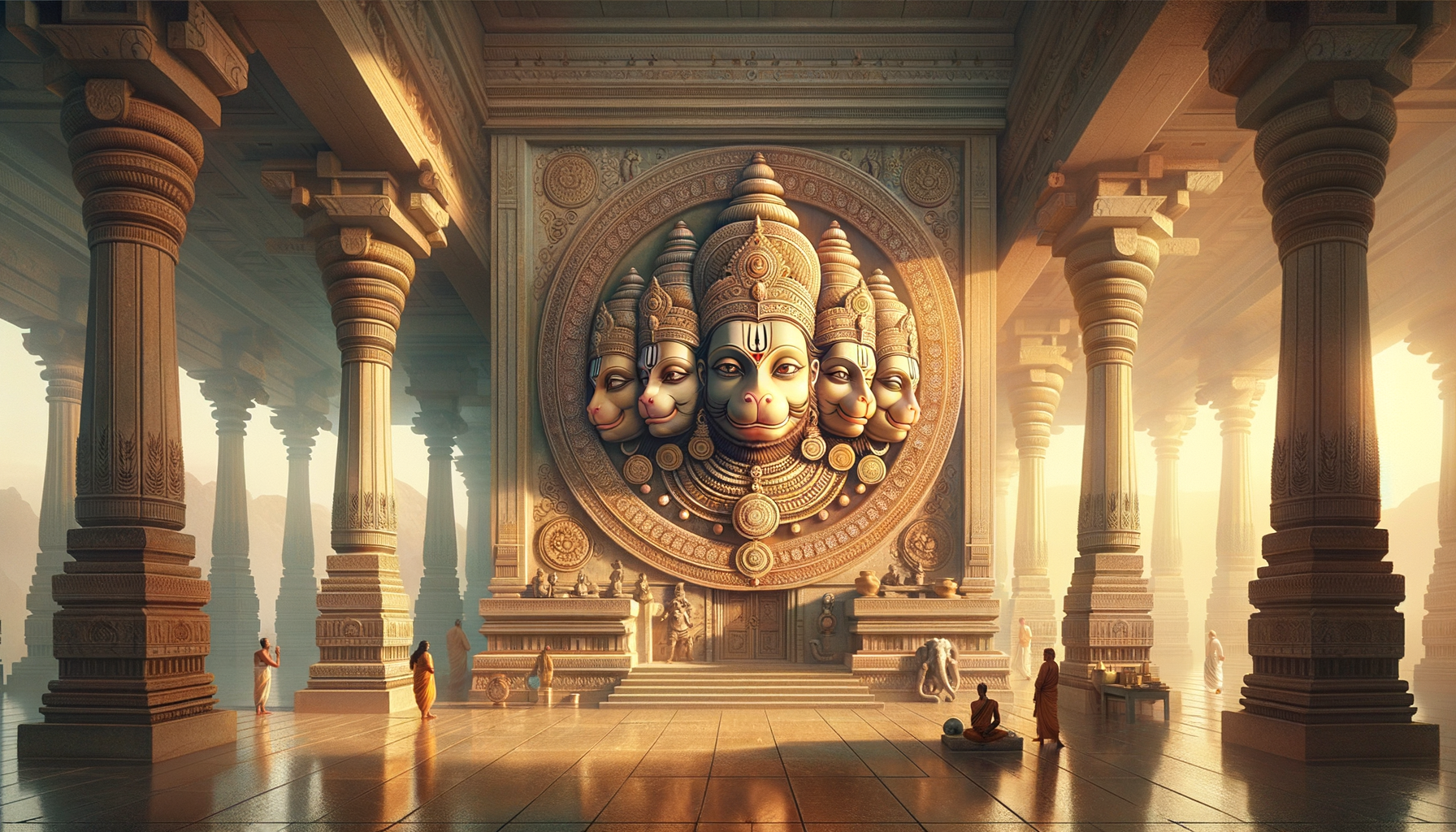
The Panchamukhi Hanuman Temple, also known as the Panchamukha Anjaneyaswamy Temple, stands a few kilometres from Mantralayam at a site revered for deep meditation and bhakti. Sri Panchamukha Hanuman is the beloved deity of Guru Ragavendra, who meditated on Lord Hanuman here for several years and received the divine vision of Lord Panchamukha Hanuman. In remembrance of this sacred encounter, a temple was established at the very place of contemplation, and it continues to draw pilgrims seeking spiritual clarity and protection.
The five-faced (Panchamukha) form of Hanuman symbolizes comprehensive protection, unwavering service, and steadfast devotion. The temple’s significance rests not only in the hallowed memory of Guru Ragavendra’s tapas but also in its living connection to the Bhakti Tradition that flourishes across South India. The values embodied herecourage, compassion, discipline, and selfless sevaresonate with shared dharmic ideals that are cherished across Hinduism, Buddhism, Jainism, and Sikhism, reinforcing a message of unity in spiritual diversity.
Visitors often describe the setting as serene and contemplative, a place where rhythmic chanting and quiet reflection naturally come to the fore. Many pilgrims combine a visit to this shrine with darshan at Mantralayam, finding that the journey between them forms a meaningful arc of devotion. The calm ambience encourages mindful prayer, soft recitation of stotras, and moments of silent gratitude, allowing individuals and families to connect deeply with the ideals Hanuman represents.
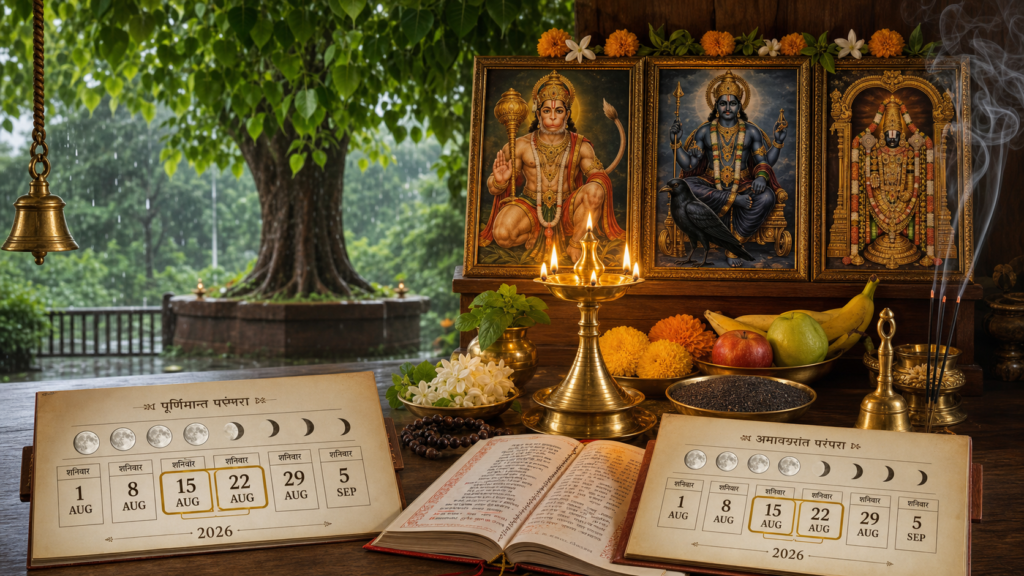
Devotees commonly engage in recitations such as Hanuman Chalisa and readings from Sundara Kanda, aligning their practice with the temple’s contemplative spirit. Simple offerings and collective prayers underscore the inclusive nature of worship, and quiet, respectful conduct is encouraged to preserve the sanctity of the space. Morning and evening darshan are often preferred by many visitors for their tranquil atmosphere and devotional focus.
As a companion destination to Mantralayam, the Panchamukhi Hanuman Temple enriches a pilgrim’s journey with a decisive emphasis on inner strength and compassionate action. Pilgrims frequently observe that time spent here clarifies intention, deepens devotion, and fosters reverence for the broader dharmic heritage. In this way, the temple serves as a bridgehonoring the legacy of Guru Ragavendra while welcoming seekers who value unity, humility, and the shared pursuit of dharma.
Together, the Panchamukhi Hanuman Temple and Mantralayam form a spiritual corridor where bhakti is practiced with sincerity and inclusivity. By contemplating the five-faced grace of Hanuman and recalling the austerities undertaken by Guru Ragavendra, visitors are invited to harmonize knowledge with devotion, and personal discipline with service to othersprinciples that strengthen bonds across dharmic traditions and nurture a culture of mutual respect.
Inspired by this post on Hindu Pad.