Within the sacred landscape of Murugan devotion, the Dwarapalakasdivine gatekeepersstand as compelling embodiments of vigilance, protection, and righteous service. In the Tamil and Sanskrit narrative streams associated with Skanda, two such guardians occupy a distinctive place: Sumukha and Sudeha. Revered as the valiant sons of Lord Veerabahu, the famed protector and commander-in-chief of Lord Murugan’s hosts, they are celebrated in temple lore as the stalwart sentinels who flank the sanctum and protect the thresholds of the deity’s presence.
Sumukha and Sudeha are remembered in regional traditions for their steadfast loyalty during the campaign against the asura Surapadman and for their presence at the joyous celebrations that followed, including the wedding festivities of Lord Muruga. While brief allusions to them appear in localized sthala-purana traditions, their significance can be appreciated more fully when situated within the broader iconographic and ritual grammar of South Indian temples, where Dwarapalakas personify the boundary between the profane and the sacred, guiding devotees from outer spaces into the heart of divine encounter.
Lord Muruganalso known as Skanda, Karttikeya, and Subrahmanyaoccupies a central place in the religious imagination of South Asia, especially in Tamil culture. His iconography is rich and precise: the spear-like Vel symbolizes piercing wisdom; the peacock vahana represents the sublimation of pride and the conquest of base tendencies; and the form Shanmukha (the six-faced one) conveys omnidirectional knowledge and protective grace. Across the famed Arupadai Veedu (six abodes) and countless other shrines, devotion to Murugan is nurtured through festivals like Skanda Sashti, Karthigai, and Thaipoosam, in which narratives of valor, surrender, and grace are ritually re-lived.
Within this mythic and devotional milieu, Lord Veerabahu stands out as Murugan’s foremost lieutenant, a guardian-hero often venerated with a dedicated sannidhi in major temples. According to the narrative arcs preserved in the Skanda Purana and in Tamil retellings like the Kanda Puranam, Veerabahu serves as envoy and strategist in the war against Surapadman, embodying both martial prowess and dharmic restraint. His protective role at the sacred threshold is echoed in the sculptural placement of guardians, who function not merely as sentinels but as guides initiating devotees into disciplined reverence.
Sumukha and Sudeha, as Veerabahu’s sons, extend this lineage of service. Traditions recount their participation in the campaign culminating in Murugan’s defeat of Surapadmana cosmic turning point after which the asura’s power is transformed: the peacock becomes Murugan’s vahana and the rooster becomes his emblematic flag. In this symbolism, conquest is sublimated into guardianship, a central theme that Dwarapalakas like Sumukha and Sudeha visually reinforce at the temple doorways where the devotee’s inner dispositions are invited to transform.
These guardians are also associated in lore with moments of celebration and order restored, appearing as honored presences at the marriage ceremonies of Lord Muruga. Whether evoked in the context of the divine wedding with Devasena following the victory or in later traditions celebrating Murugan’s union with Valli, their presence signifies the continuity of dharma across war and peace, vigilance and festivity, challenge and fulfillment.
From the perspective of temple architecture and shilpa-shastra principles, Dwarapalakas occupy clearly defined positions and embody specific visual cues. Classical treatises such as the Manasara and Mayamata prescribe guardian figures at liminal pointson gopurams and, most notably, at the entrance to the garbhagriha (sanctum). Murugan’s gatekeepers are often depicted in heroic stances, with weapons like the gada or sword, assertive mustaches signifying kshatra-virya (martial vigor), and postures that blend watchfulness with grace. Their gaze directs the devotee inward; their very presence teaches that passage into sacred space calls for humility, focus, and ethical self-regulation.
In several Murugan shrines across Tamil Nadu and beyond, local tradition identifies the flanking guardians at the sanctum entrance as Sumukha and Sudeha. While iconographic labels may not always be inscribed, oral and liturgical memory preserves their names and roles. At sites associated with Murugan’s martial and protective aspectssuch as Tiruchendur on the coast, Tirupparankunram near Madurai, and other celebrated abodesthe theological emphasis on dharmic protection lends particular resonance to the Dwarapalaka motif. In many instances, devotees greet the guardians with folded hands before proceeding inward, intuitively acknowledging the transition from worldly preoccupations to contemplative presence.
The visual language of Murugan’s Dwarapalakas interfaces seamlessly with the deity’s own symbolism. The Vel, foremost emblem of Murugan, suggests surgical penetration of ignorance; the guardians echo this by modeling clarity and attentiveness at the threshold. The peacock, Murugan’s vahana, signifies the transmutation of pride into beauty and strengthan inner alchemy that the guardians silently exhort as the devotee stands before them. Even in Somaskanda compositionswhere Shiva, Uma, and Skanda are depicted togetherthe protective aura of threshold guardians reinforces the familial transmission of dharma, placing Murugan’s youthful energy within a continuum of cosmic order.
Ritual practice further embeds the meaning of these guardians. During pradakshina, many families pause at the threshold, recite protective verses like lines from the Skanda Sashti Kavasam, and entrust anxieties to the gatekeepers before entering the sanctum. Temple priests frequently encourage mindful entryeyes lowered, breath steady, heart intentso that the guardians’ station becomes a lived pedagogy in dharmic composure. For numerous devotees, the first encounter with Sumukha and Sudeha can be quietly transformative: the figures seem to ask for courage without aggression, humility without hesitation, and devotion without distraction.
Geographically, the Dwarapalaka motif around Murugan spans Tamil Nadu’s major centers and extends to Karnataka’s Kukke Subramanya temple traditions, where protective guardianship interfaces with the region’s naga-centric lore. In coastal, forest, and hill temples alike, the aesthetic variessome guardians are more austere, others ornatebut the theological function remains consistent: the guardians manifest dharma’s sentience at the sacred boundary, balancing hospitality to all seekers with resolute protection of sanctity.
From a historical vantage, guardian figures predate their current forms and appear across India’s dharmic traditions. Early Buddhist and Jain monuments developed robust doorkeeper iconographiesyaksha and yakshi figures at railings and gateways, and attendant guardians beside Tirthankara and Buddha shrines. This broad, civilizational grammar affirms a shared understanding across Hinduism, Buddhism, Jainism, and Sikhism: access to the sacred is universal, yet it is safeguarded by ethical disciplines that protect both devotee and shrine. In this light, Murugan’s Dwarapalakas resonate as part of a unifying Indian heritage of sacred thresholds and compassionate protection.
For many devotees, Sumukha and Sudeha also carry an emotional resonance. Parents often introduce children to these guardians first, teaching them to stand still, observe silently, and enter mindfully. Grandparents speak of how the guardians watch over travelers, new beginnings, and difficult decisions. Such everyday narrativesoffered quietly during abhishekam or after evening lampsreveal the guardians’ pastoral role: they hold space for courage, steadiness, and right action in the uncertainties of life.
Theologically, the presence of Sumukha and Sudeha complements Murugan’s identity as the youthful teacher and warrior-sage who conquers inner and outer adharma. Their genealogical link to Veerabahu underlines a chain of service, duty, and wise strength. Their participation in the campaign against Surapadman situates them within the living memory of Skanda Sashti; their association with marriage festivities places them within the rhythms of peace and social harmony. In temple art and ritual practice alike, they remind seekers that victory is complete only when power is transmuted into guardianship and celebration is tempered by responsibility.
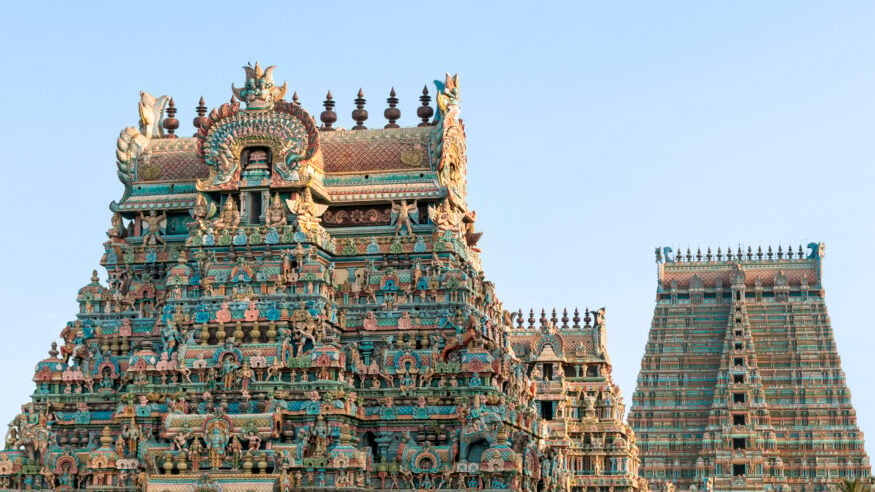
Understanding Sumukha and Sudeha as Dwarapalakas of Lord Murugan thus offers more than a biographical or iconographic footnote. It illuminates how South Asian temple culture encodes spiritual pedagogy at every levelfrom gopuram silhouette to threshold sentinel to sanctum light. It shows how dharma is learned through place and form, through posture and pacing, and through the lived wisdom of communities that carry memory forward. Most importantly, it affirms a shared, inclusive ideal at the heart of India’s dharmic traditions: the path to the sacred is open, and those who guard it do so not to exclude, but to ensure that all who enter are safe, centered, and ready for grace.
Inspired by this post on Hindu Pad.