Tag: Hindu Tradition and Culture

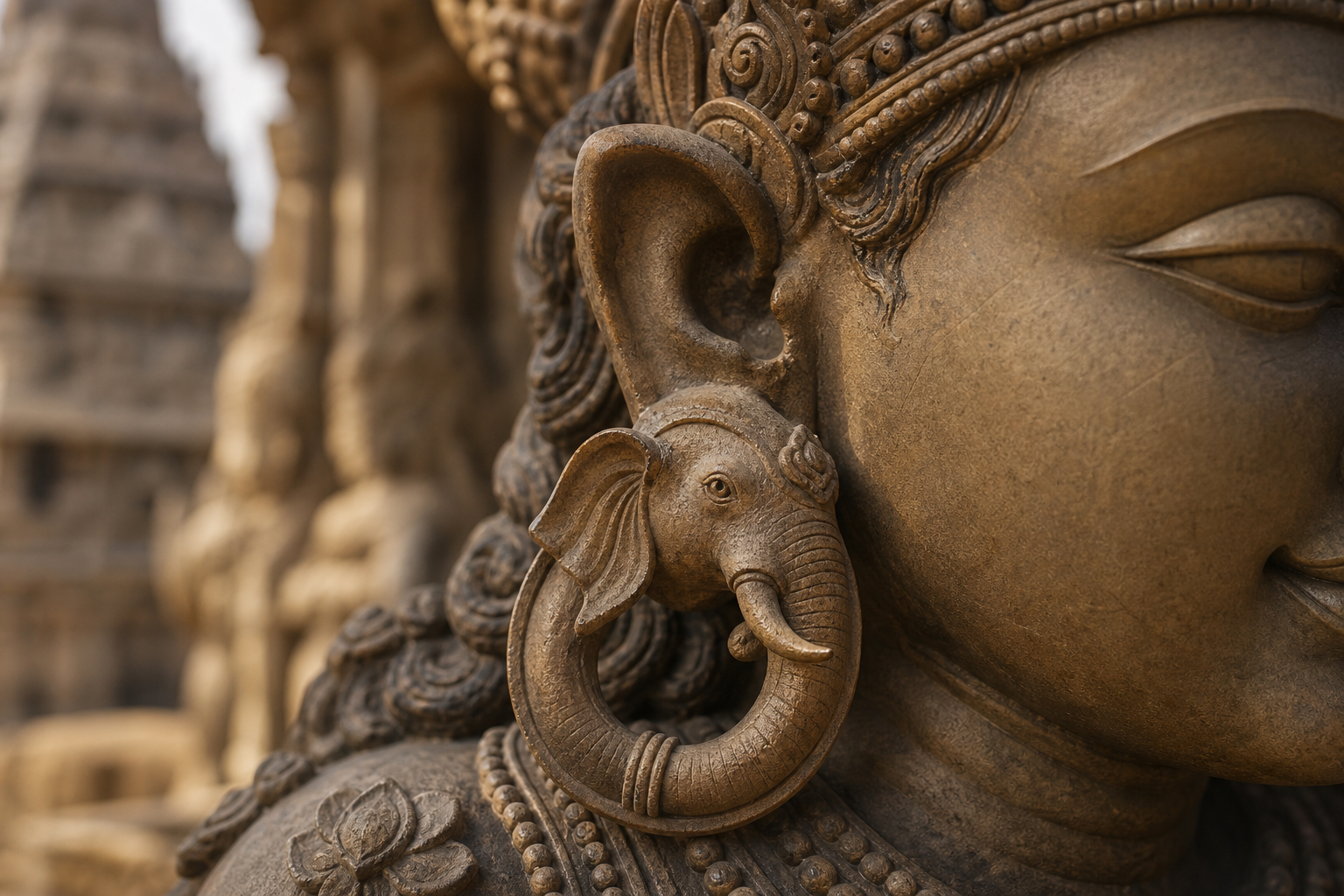
  • Gaja Kundala Revealed: The Sacred Elephant Earring in Hindu Sculpture

    Gaja Kundala Revealed: The Sacred Elephant Earring in Hindu Sculpture

    The gaja kundala is an elephant-form earring in Hindu sacred sculpture, combining ornament, iconography, and symbolic meaning. It belongs to the broader family of kundalas and carries associations of strength, royal dignity, auspiciousness, fertility, and sacred abundance. Its elephant symbolism connects it to figures and ideas such as Airavata, Ganesha, Gaja Lakshmi, temple ceremony, and…

  • Sant Nilobaraya Palkhi 2026: Powerful Ashadhi Wari Journey to Pandharpur

    Sant Nilobaraya Palkhi 2026: Powerful Ashadhi Wari Journey to Pandharpur

    Sant Nilobaraya Palkhi Sohala 2026 is a major devotional procession within the Ashadhi Wari pilgrimage to Pandharpur. The Palkhi honors Sant Nilobaraya Maharaj, remembered in the Varkari tradition as a revered disciple of Jagadguru Sant Tukaram Maharaj. This article explains the spiritual, cultural, historical, and logistical importance of the journey from Ahilyanagar to Pandharpur. It…

  • Krishna, Jallikattu and the Sacred Power of Bull-Taming in Indian History

    Krishna, Jallikattu and the Sacred Power of Bull-Taming in Indian History

    This article explores Jallikattu as a deeply rooted Tamil and Hindu cultural tradition rather than a mere rural sport. It connects ancient bull imagery, Sangam literature, Krishna’s bull-taming narratives, and the agrarian world of Tamil Nadu. The discussion distinguishes Jallikattu from European bullfighting while acknowledging modern animal welfare concerns. It explains the legal turning points…

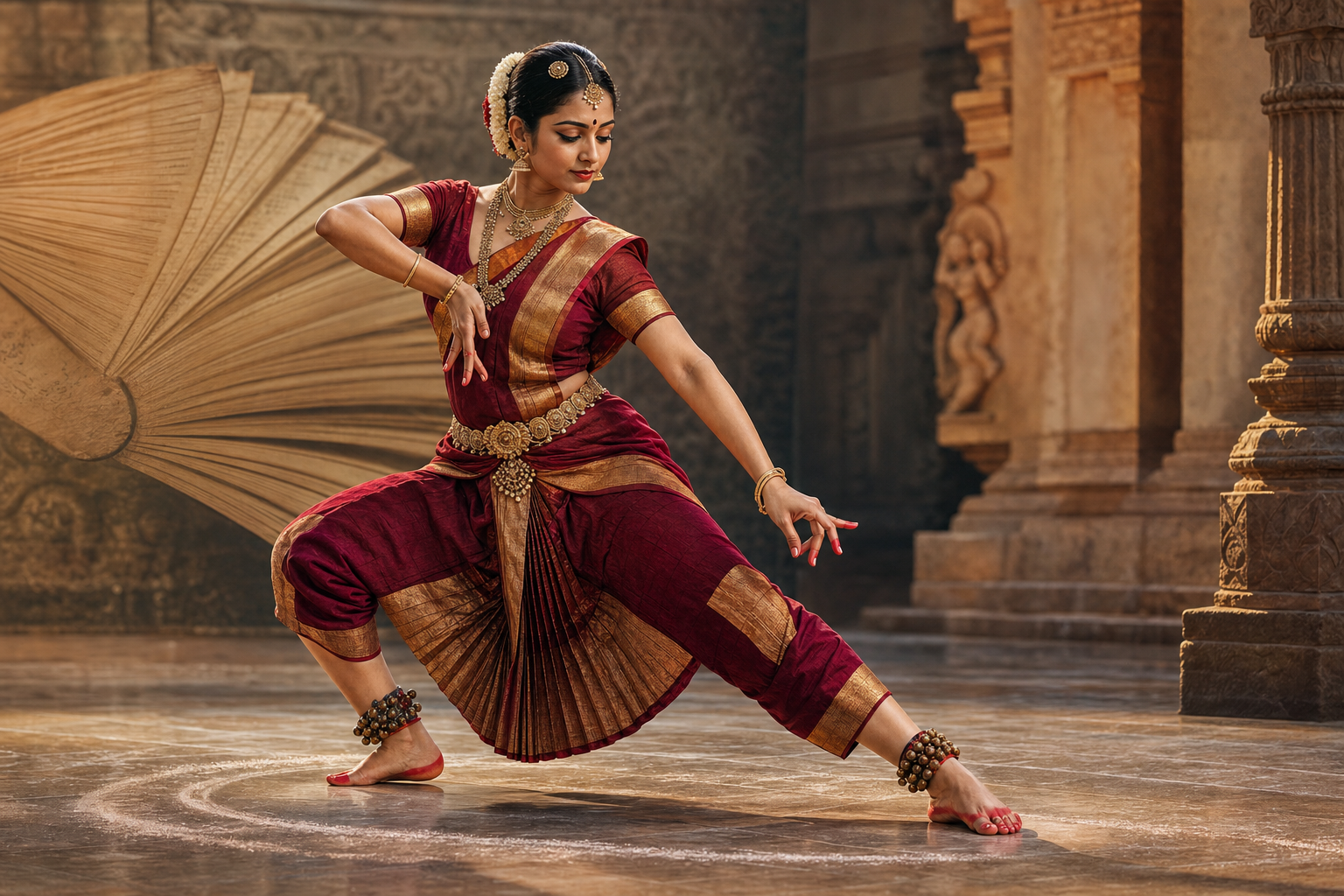
  • Bhaumi Chari Explained: Powerful Earth-Bound Footwork in Classical Dance

    Bhaumi Chari Explained: Powerful Earth-Bound Footwork in Classical Dance

    Bhaumi Chari refers to the earth-bound movement vocabulary of Hindu classical dance. It forms one of the two major categories of charis, the codified movements of the feet and body described in classical Indian performance theory. This article explains how Bhaumi Chari coordinates the feet, calves, thighs, hips, torso, rhythm, and dramatic intention into a…

  • Kallurti and Panjurli: Powerful Sibling Daivas, Justice, and Sacred Tulunadu Memory

    Kallurti and Panjurli: Powerful Sibling Daivas, Justice, and Sacred Tulunadu Memory

    Kallurti and Panjurli occupy a deeply respected place in the living daiva traditions of Tulunadu. Their sacred bond, remembered through the phrase Thage Thangadi Sathyolu, reflects kinship, truth, protection, and moral accountability. Kallurti represents fierce compassion, justice, and the dignity of those who resist injustice. Panjurli Daiva symbolizes agrarian protection, ecological balance, and reverence for…

  • The Definitive Guide to Kuladevata vs Paradevata: Sacred Lineage and Supreme Devotion

    The Definitive Guide to Kuladevata vs Paradevata: Sacred Lineage and Supreme Devotion

    Hindu practice distinguishes between Kuladevata (lineage deity) and Paradevata (the transcendent or sectarian Supreme), terms often mistaken for each other or for Ishta Devata. Understanding this sacred difference brings coherence to daily puja, anchoring gratitude to ancestry while pursuing ultimate realization. Kuladevata worship preserves kinship memory, social ethics, and stability through pilgrimages, vratas, and rites…

  • Sumali’s Grand Design: How a Cunning Patriarch Forged Ravana and Reshaped the Ramayana

    Sumali’s Grand Design: How a Cunning Patriarch Forged Ravana and Reshaped the Ramayana

    This article re-centers Sumali, the rakshasa patriarch and grandfather of Ravana, as a decisive strategist whose marriage diplomacy and counsel shaped the Ramayana’s political and ethical arc. Drawing on the Valmiki Ramayana (Uttara Kanda) and later traditions, it maps the genealogical fusion of Kaikesi and Vishrava that enabled Lanka’s transfer from Kubera to Ravana. The…

  • Why Kamsa Spared Devaki and Vasudeva: Prophecy, Pitru Dosha, and the Tyrant’s Dilemma

    Why Kamsa Spared Devaki and Vasudeva: Prophecy, Pitru Dosha, and the Tyrant’s Dilemma

    A prophecy at a wedding foretells that Devakī’s eighth son will slay Kamsa, forcing the tyrant into a chilling moral and political calculus. Drawing on the Bhagavata Purana, Dharmashastras, and later Jyotisha-based exegesis, the analysis explains why Kamsa kept Devakī and Vasudeva together rather than separate them. The prophecy’s literal wording, fear of grave sins…

  • Thiruporur Kandaswamy Temple: Legends, Ritual Science, Darshan Timings, and Festival Guide

    Thiruporur Kandaswamy Temple: Legends, Ritual Science, Darshan Timings, and Festival Guide

    Thiruporur Kandaswamy temple (Thiruporur Murugan Temple) in Chengalpattu, Tamil Nadu, is a living center of Murugan worship renowned for Dravidian architecture, precise Agamic ritual, and a vibrant festival calendar. Visitors can plan around clear darshan timings (6:30 am–12:30 pm; 3:30 pm–8:00 pm) and four daily pujas that culminate in abhishekam and deepa aradhana. The temple’s…

  • Odisha’s Hero Dog ‘Kali’ Saves 30 Children from Cobra, Honoured with Dharmic Rites

    Odisha’s Hero Dog ‘Kali’ Saves 30 Children from Cobra, Honoured with Dharmic Rites

    On 20 April 2026 in Dhirakula, Odisha, a community dog named Kali shielded approximately 30 schoolchildren from a venomous snake, believed to be an Indian cobra, and later died of envenomation. The village honored her with full rites, a response that coheres with dharmic values of compassion, non-violence, and selfless service shared across Hinduism, Buddhism,…

  • Hudum Puja of Assam’s Koch Rajbongshi: Ancient Rain Rite, Sacred Ecology, Living Heritage

    Hudum Puja of Assam’s Koch Rajbongshi: Ancient Rain Rite, Sacred Ecology, Living Heritage

    Hudum Puja is a rain-invoking folk ritual of the Koch Rajbongshi community in Assam, performed during acute drought to seek Hudum Deo’s blessing for timely monsoon showers. Anchored in agrarian time, the rite centers women’s ritual leadership, Hudum geet (satirical and supplicatory songs), and field-edge offerings that align social energy with ecological thresholds. Far from…

  • Divine Dwarapalakas of Lord Murugan: Sumukha & SudehaVeerabahu’s Fearless Gatekeepers of Dharma

    Divine Dwarapalakas of Lord Murugan: Sumukha & SudehaVeerabahu’s Fearless Gatekeepers of Dharma

    This in-depth exploration examines Sumukha and Sudehathe revered sons of Lord Veerabahuwho serve as the Dwarapalakas (divine gatekeepers) of Lord Murugan. It situates their roles within the wider narrative arcs of the Skanda Purana and Tamil traditions, linking their valor in the Surapadman campaign to their enduring presence at the temple threshold. Readers gain a…

  • When Darkness Falls: Vedic Science of Twilight, Tamas, and Transformative Evening Rituals

    When Darkness Falls: Vedic Science of Twilight, Tamas, and Transformative Evening Rituals

    Dusk in Hindu tradition is not superstition but a precise window for inward recalibration, grounded in Vedic wisdom about the guṇas and circadian rhythms. This long-form analysis explains how rising tamas at sunset, properly guided, supports rest, clarity, and ethical closure. It details the technical structure of sandhyā-vandanam, the timing and purpose of pradoṣa-kāla, and…

  • Safeguarding the Shankaracharya Parampara: Ex-CBI Chief Seeks Unity, Dignity, and Dialogue

    Safeguarding the Shankaracharya Parampara: Ex-CBI Chief Seeks Unity, Dignity, and Dialogue

    A widely discussed letter by former CBI Director M. Nageswara Rao urges the Shankaracharyas of Puri, Sringeri, and Dwarka to help resolve a row over the alleged humiliation of the Jyotirmath Shankaracharya. This analysis explains why the Shankaracharya Parampara is pivotal to Hindu Tradition and Culture and outlines how amnaya peethas and temple administrations can…