Shiva Dolotsavam, observed on the sacred day of Gauri Tritiya (Chaitra Shudda Thadiya), is a refined Shaiva rite that places the divine couple Shiva–Pārvatī at the center of a gentle swing ceremony to invoke marital harmony and the blessing of progeny. Closely aligned with the Sowbhagya Gauri Vrata, it is traditionally undertaken by childless women seeking santāna (children), while many families also perform it to strengthen conjugal well-being and household auspiciousness. Some regional almanacs simultaneously note Sri Ram Dolotsav for Vaishnava homes on the same springtime tithi, underscoring the shared “dola” (swing) ethos that runs across Dharmic sampradāyas.
In 2026, Shiva Dolotsavam falls on March 21, when Gauri Tritiya (Chaitra Shukla Tritiya) prevails according to most Indian panchangas. Because tithi observance can shift with geography and local sunrise, it is prudent to verify the Tritiya window with a regional panchangam or temple notice. The puja is ideally performed when the Tritiya tithi is in force; many Shaiva households prefer morning worship, while some traditions allow a serene pradoṣa-kāla observance.
Etymologically, “Dolotsavam” combines “dola” (swing) and “utsava” (festival), signifying a celebratory rite in which the mūrti (often a Shivalinga with Pārvatī or a Shiva–Pārvatī vigraha) is gently rocked. Theologically, the swing represents the pulsation of the cosmos and the rhythmic union of Shiva (pure consciousness) and Gauri (creative power), through whose harmonious interplay fertility, protection, and prosperity are envisioned to flow into the devotee’s life.
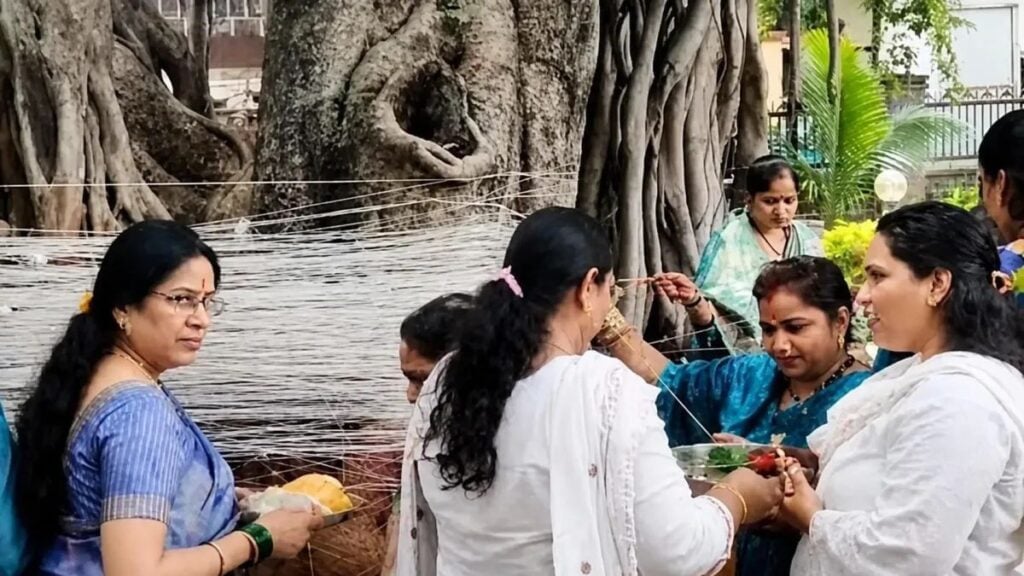
Sowbhagya Gauri Vrata provides the vrata-framework for Shiva Dolotsavam. On this day, married womenand in many regions, the family collectivelyundertake a simple fast, recite the vrata-kathā of Gauri, and offer bilva leaves, flowers, and naivedya to Shiva–Pārvatī. Within this vrata, the Dolotsavam becomes the culminating gesture of devotion, symbolically entrusting familial aspirations to the compassionate care of the divine couple.
While the rite is widely known as a supplication by childless women, contemporary practice welcomes couples to worship together. Elders often encourage the presence of the spouse and family, recognizing that shared sankalpa (sacred resolve) strengthens the ritual’s inward focus and helps align daily conduct with dharma, kindness, and mutual support.
Essential items for a home observance typically include a Shivalinga or Shiva–Pārvatī image; a clean swing or a sturdy small “dola” plank or cradle-stand (a safe, symbolic swing also suffices); bilva leaves, flowers, akshata (rice mixed with turmeric), sandalwood paste, incense, camphor, and lamps; a kalasha with sanctified water; panchāmrita (milk, yogurt, ghee, honey, sugar) for abhishekam; fruits, sweets, betel leaves and nuts for naivedya; turmeric and kumkum; a white or yellow cloth for alankara; and a copy or printout of the Sowbhagya Gauri Vrata katha for recitation.
Suggested home puja vidhi may be structured as follows. Step 1: Prepare a clean, quiet space; arrange the swing or symbolic dola securely; place the mūrti; light a lamp. Step 2: Perform an initial āchamana and sankalpa, explicitly stating name, gotra (if known), location, and the tithi “Chaitra Shukla Tritiya,” with the intention of Sowbhagya Gauri Vrata and Shiva Dolotsavam for marital harmony and santāna-prāpti. Step 3: Offer a brief Gaṇapati pūja to remove obstacles, followed by kalasha-sthāpana if customary in the family tradition.
Step 4: Conduct Shiva abhishekam with water and panchāmrita, optionally concluding with a pure water rinse. Step 5: Offer alankara with cloth, sandal paste, flowers, and bilva leaves (traditions vary between 11, 21, or 27 leaves). Step 6: Chant the Pañchāksharī mantra “Om Namah Shivaya” in chosen counts (11, 27, 54, or 108), and recite the Sowbhagya Gauri Vrata katha reverentially, meditating on Gauri’s grace.
Step 7: Commence the Dolotsavam by gently swinging the mūrti, synchronizing the motion with mantra-japa. Many households count 27 or 108 soft swings, reflecting lunar and mantra cycles; the emphasis is always on bhava (devotional feeling) rather than on rigid numbers. Step 8: Offer naivedya (fruits/sweets), perform dīpārādhana (ārati), and conclude with prostrations and shared prasāda. Where possible, complete the observance with dāna-sevaoffering food, grains, or clothing to those in need.
When performed in temples, Shiva Dolotsavam is often preceded by Vedic chanting, sahasranāma recitations, and elaborate abhishekams. The sanctum’s utsava-murti or a specially consecrated Shivalinga is placed upon a decorated dola-pīṭha; the priesthood performs the swing ceremony to the cadence of bells and hymns. Devotees frequently sponsor archana, carry personal sankalpas, and partake of prasāda with a spirit of communal harmony.
Fasting (upavāsa) on Gauri Tritiya ranges from a simple phalahāra (fruits, milk) to a light sāttvika meal once the puja concludes. Individuals who are pregnant, nursing, elderly, or managing health conditions may adapt the fast prudently, honoring the spirit of the vrata through mindful restraint, japa, and seva rather than physical austerity.
Timing follows the Panchanga. The primary anchor is Tritiya tithi; families often begin after sunrise when Tritiya prevails. Some Shaiva traditions appreciate pradoṣa-kāla for worship directed to Shiva. As general planning aids, many households avoid rāhu-kāla for key steps, use abhijit-muhūrta as a neutral fallback when needed, and consult the local panchangam to align tithi, nakshatra, and daily doṣas with their sampradāya’s recommendations.
The ritual symbolism is profound. The swing embodies the universe’s expansion and contraction, the breath-like rhythm in which life emerges, rests, and renews. Bilva leaves, with their tri-lobed form, evoke the triads of creation, preservation, and dissolution as well as the subtle purification of body, speech, and mind. Gauri Tritiya’s spring ambience aligns with new beginnings, while Shiva’s stillness at the heart of motion reassures devotees who seek emotional balance and the courage to hope.
Practice is reinforced by traditional vrata compendia and Dharmaśāstra-based guides that articulate tithi-based observances and household worship protocols. While specific mentions vary across regional prayogas, the incorporation of Dolotsava motifs into Shaiva and Vaishnava spring rites is well attested, and local paddhatis commonly outline the use of bilva, panchāmrita, and Pañchāksharī japa for householders.
Regional variation is expected. Telugu and Kannada almanacs identify the day as Gauri Tritiya or “Thadiya/Thadiya,” Marathi and Konkani panchangas also note Sowbhagya Gauri Vrata in early Chaitra, and some communities blend neighborhood satsanga, collective kathā recitation, and simple community seva into the day’s rhythm. Temples may add musical kirtana or nṛtya as part of the Dolotsavam ambiance.
In the larger Dharmic family, resonances are clear and unifying. The vrata tradition is shared in spirit across Hinduism, Buddhism, Jainism, and Sikhism: mindful vows, disciplined remembrance, community seva, and prayer for family welfare are common streams. Whether through Hindu upavāsa and japa, Buddhist uposatha and paritta, Jain vrata and day-long restraint, or Sikh ardaas and seva culminating in langar, the aspiration for well-being, compassion, and inner clarity is a shared inheritance.
Environmentally considerate practice enhances the sanctity of the day. Households can prefer local, seasonal flowers, natural dyes, and biodegradable lamps; minimize plastic; and distribute prasāda in reusable vessels. Planting a bilva sapling or supporting local groves deepens the rite’s life-affirming intent.
FAQ: Is a physical swing mandatory? A secure, symbolic swing or a gently rocked cradle-stand suffices. In its absence, devotees may place the mūrti before the mind’s eye and perform the “swing” with hands folded in devotion; bhāva carries the heart of the rite.
FAQ: Should both spouses participate? While tradition highlights childless women, many families now undertake a joint sankalpa, reflecting the shared journey toward healing and hope. Elders often recommend the spouse’s presence and mantra-japa together.
FAQ: What if the vrata day is missed? If Tritiya is missed unavoidably, some households perform a remedial worship on the next auspicious Shiva day (e.g., a Monday) with the counsel of a family priest, carrying the same sankalpa and dana-seva.
FAQ: How many bilva leaves or mantra repetitions are required? Prayogas vary; households commonly offer 11, 21, or 27 bilva leaves and repeat “Om Namah Shivaya” in counts of 11, 27, 54, or 108. Devotion and steadiness matter more than exact numbers.
FAQ: Can women observe the vrata during menstruation? Customs differ by lineage; many contemporary teachers counsel honoring personal health and comfort while maintaining remembrance (smarana), listening to the kathā, and offering simple prayers.
For 2026 planning, Gauri Tritiya occurs on March 21. Aligning the puja with the prevailing Tritiya tithi, allowing unhurried time for abhishekam, Dolotsavam, and kathā recitation, and concluding with compassionate dana together create a complete and serene observance.
Shiva Dolotsavam on Gauri Tritiya invites households into a luminous balance of knowledge, devotion, and disciplined kindness. The gentle swing becomes a living metaphor: as hopes rise and settle with each motion, faith is renewed, hearts are steadied, and the shared aspiration for harmony, fertility, and collective well-being finds eloquent expression across the Dharmic world.
Inspired by this post on Hindu Pad.