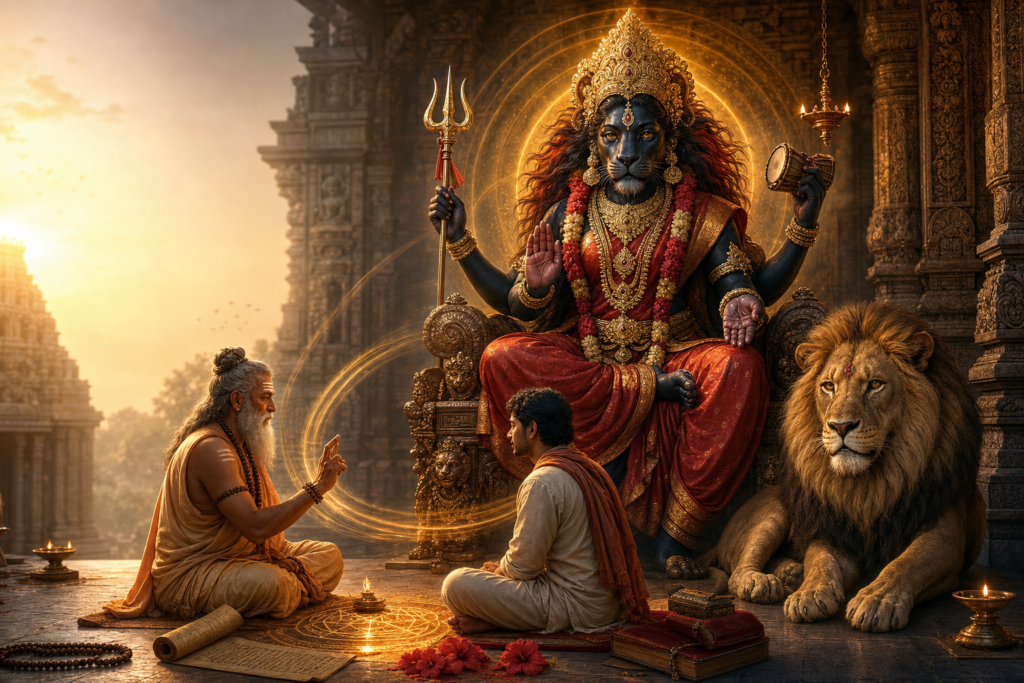
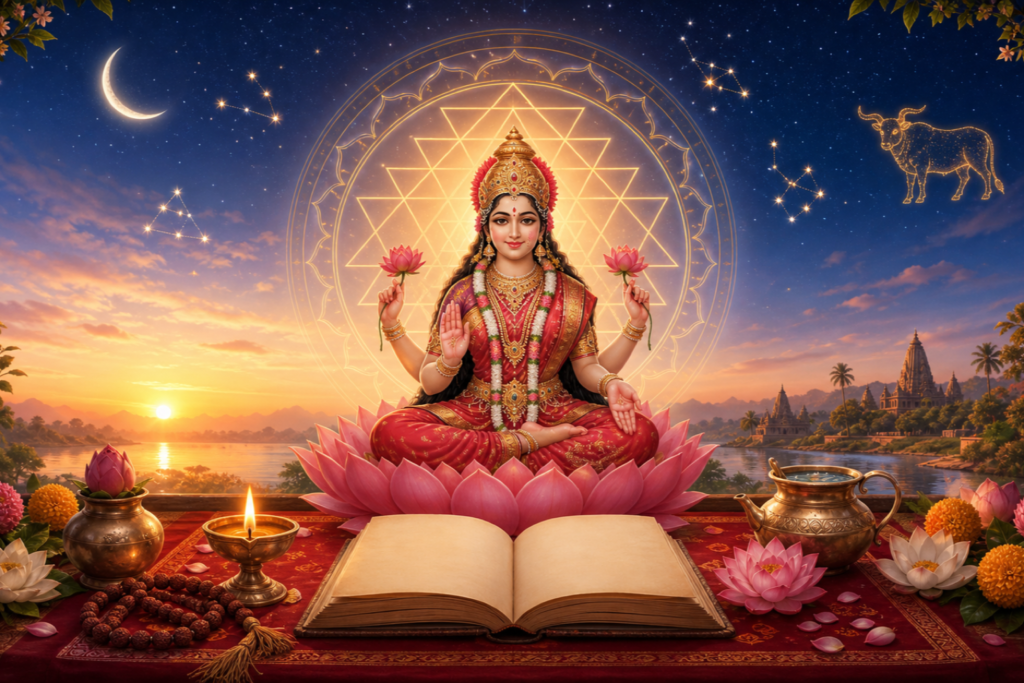
The practice of invoking deities has been central to Hindu spiritual life for millennia, spanning elaborate temple rites, simple home puja, and quiet meditation. At its heart, deity invocation in Hinduism is less about summoning an external power and more about attuning the mind and heart to the divine presence within. This orientation aligns with the core insight that Atman and Brahman are not separate, while honoring the living, relational dimension of bhakti and sacred ritual. In this way, invocation becomes a bridge between metaphysical truth and embodied devotion.
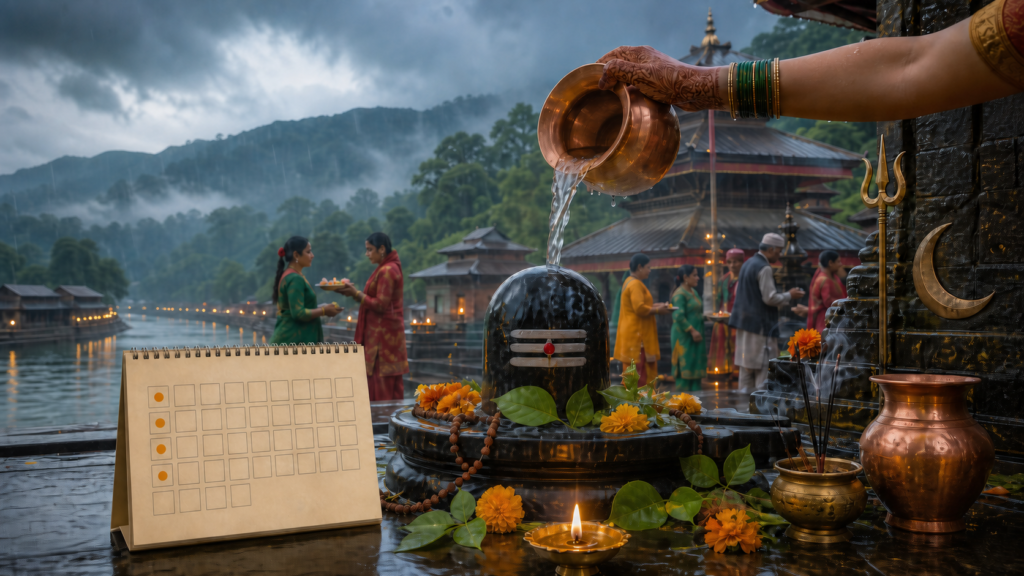
Hindu symbolism clarifies this reconciliation. The murti is not an idol in a reductive sense but a consecrated focal point that helps refine attention, cultivate reverence, and invite darshan, the experience of seeing and being seen by the Divine. In temple contexts, prana-pratishtha ritually establishes sacred presence; in households, mindful offerings with mantra and devotion reflect the same principle of sanctifying space, breath, intention, and action.
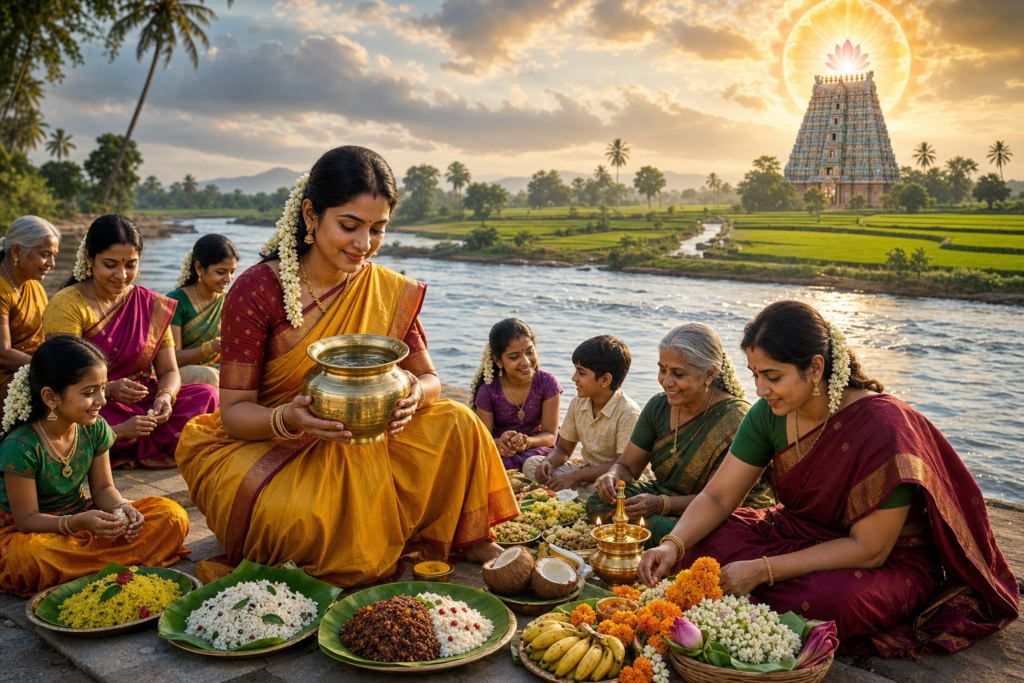
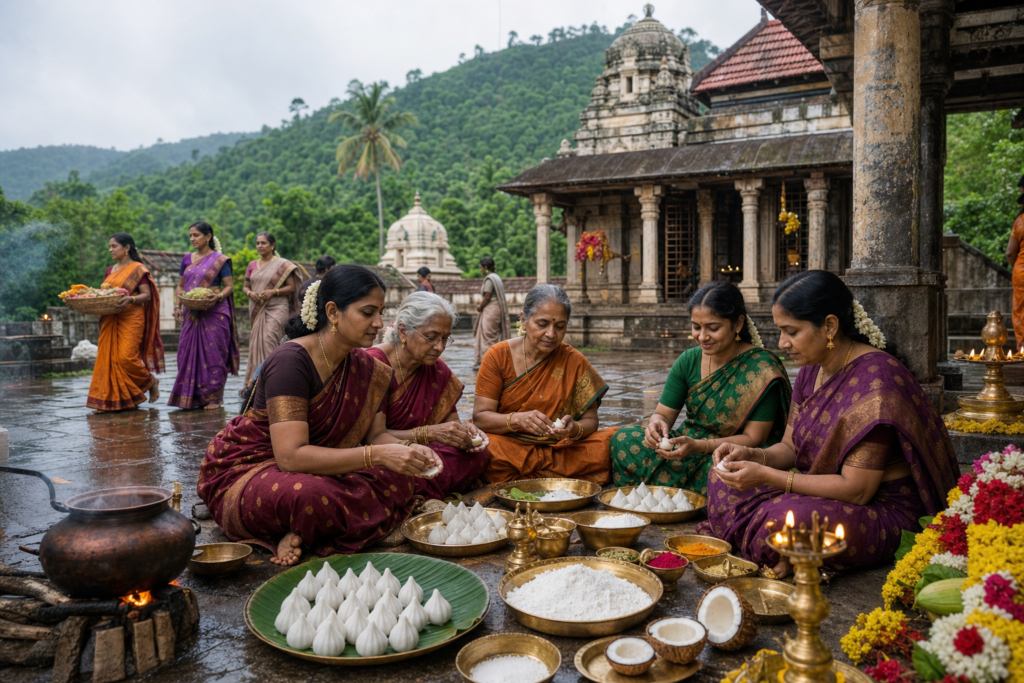
Every invocation begins with sankalpa, a clear intention that frames devotional time as sacred. Traditional sequences may include purification, pranayama, and mantra japa, followed by upacharas such as offering water, light, incense, flowers, and food. Each element symbolizes deeper truths: light honors wisdom, water purifies, fragrance refines the senses, flowers express gratitude, and naivedya manifests hospitality toward the Divine. The return of prasada embodies grace and reciprocity, encouraging gratitude and sharing with others.
The Ishta-devata principle illuminates Hinduism’s inclusive pluralism. Practitioners align with a chosen form of the Divine according to temperament and stage of life, while recognizing a shared ultimate reality. The well-known perspective Ekam sat vipra bahudha vadanti captures this ethos: truth is one, expressed through many names and paths. Such spiritual diversity strengthens rather than fractures the fabric of dharma, nurturing respect for varied practices across communities.
Modes of invocation are diverse yet complementary. Puja structures devotion through meaningful action; japa and kirtan refine attention through sacred sound; dhyana stabilizes insight; and seva grounds spiritual love in compassionate service. Together, these practices cultivate sattva, align conduct with yama and niyama, and integrate Bhakti Yoga, Jnana Yoga, and Karma Yoga. Even brief daily observances can sustain clarity, resilience, and ethical steadiness amid modern complexity.
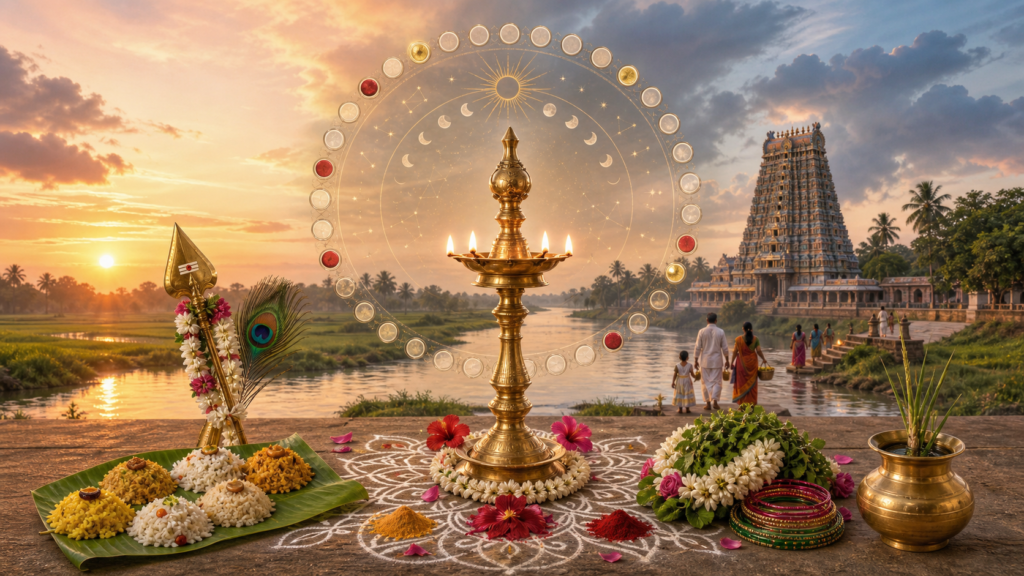
Symbolism deepens the experiential arc of worship. The lamp suggests inner awakening; the bell clears mental distraction; the offering of food sanctifies daily sustenance; circumambulation mirrors the devotee’s life revolving around the Divine. These gestures do not end at the altar; they reshape everyday awareness. When shared as prasada, devotion becomes community building, reinforcing humility, connection, and a sense of common good.
Psychologically and spiritually, deity invocation refines emotion, integrates attention, and quiets agitation. In the language of the gunas, devotion softens rajas and tamas and supports a sattvic mind inclined toward empathy, clarity, and inner peace. Contemporary research on contemplative practices parallels these outcomes, even as the sacred intent of puja and mantra retains a meaning that transcends utilitarian measures of benefit.
Invocation also fosters harmony across dharmic traditions. Buddhism’s mindfulness and karuna, Jainism’s ahimsa and samayik, and Sikhism’s naam simran and seva share a commitment to inner transformation and compassionate action. While forms differ, the underlying orientation toward the Divine or ultimate truth through disciplined practice and service is strikingly consonant. Emphasizing these shared values supports unity among Hinduism, Buddhism, Jainism, and Sikhism, strengthening social cohesion without diluting doctrinal integrity.
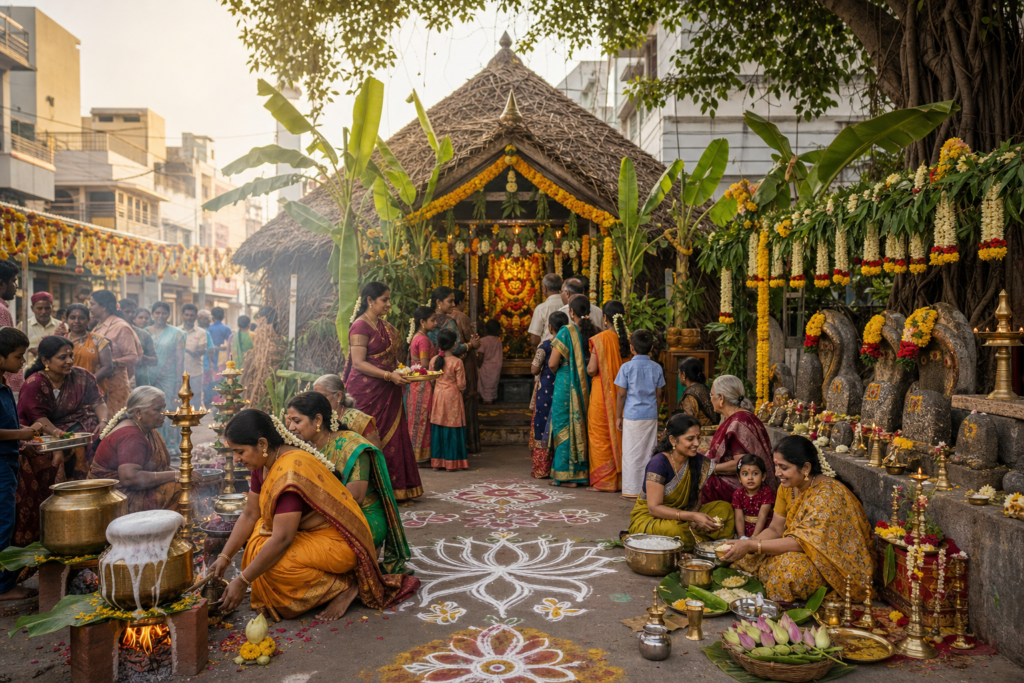
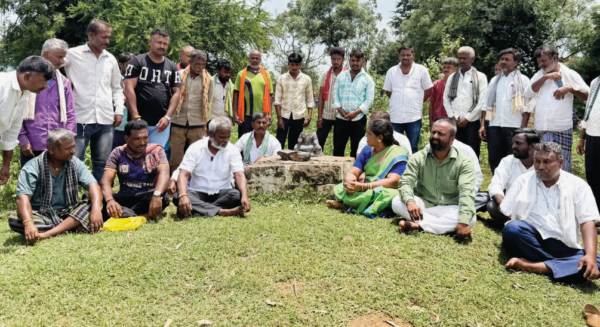
In contemporary life, inclusive devotion and religious pluralism are invaluable. Temple worship, home altars, satsang, and community kirtan can coexist with quiet meditation and ethical engagement in daily work. Simple, sustainable sadhana routines help balance digital-age overload, while intercommunity respect ensures that spiritual diversity remains a strength. Such an approach nurtures social harmony and deep personal continuity with Vedic traditions.
A practical entry point is straightforward. Designate a serene space, clarify sankalpa, and offer a brief puja or mantra aligned with one’s Ishta. Integrate short pranayama and dhyana, conclude with gratitude, and let seva extend the altar into daily life. Reflect weekly on conduct and intentions, noting how invocation influences speech, relationships, and decisions. Regularity matters more than complexity, and sincerity carries the practice.
Common misconceptions merit clarification. Hindu worship is neither rigid literalism nor mere symbolism; it is a both-and framework. The murti focuses devotion, while the philosophy of non-duality situates all forms in a larger unity. Bhakti and Advaita are not adversaries; they meet where reverence ripens into recognition of the Divine within and in all beings.
Ultimately, invoking the Divine in Hinduism is an inner awakening expressed through meaningful forms. It invites self-knowledge, steadies ethical purpose, and cultivates compassion. By honoring multiple pathspuja, mantra, meditation, and servicecommunities can deepen devotion while strengthening unity across dharmic traditions. Such invocation is both personal and communal, timeless and timely, intimate and expansive.
Inspired by this post on Hindu Blog.