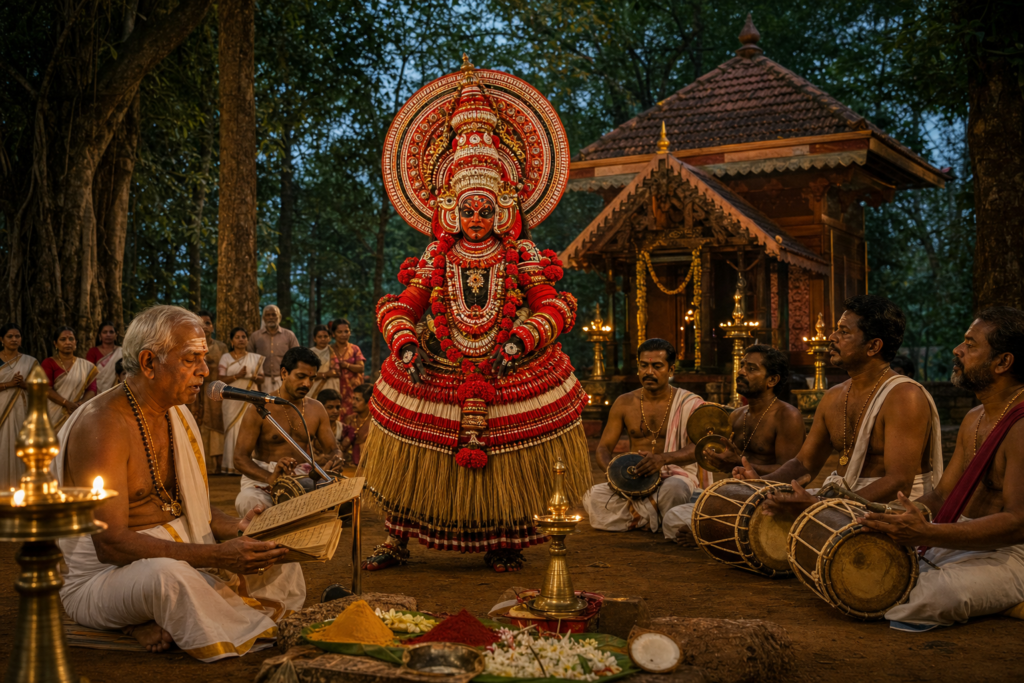
Across dharmic traditions, moments of profound serenity, sudden clarity, or an overwhelming sense of presence are often recognized as divine experiences. Within Sanatana Dharmaand in resonance with Buddhism, Jainism, and Sikhismsuch moments (anubhava) are approached not as anomalies but as intelligible facets of human consciousness. This reflection synthesizes classical Hindu philosophy, meditative science, and lived practice to clarify what these experiences signify, how they can be discerned with rigor, and how they may be integrated responsibly into everyday life.
In the vocabulary of Hindu philosophy, divine experiences occupy a meaningful place within the broader pursuit of moksha and the cultivation of inner transformation. Texts like the Upanishads and the Bhagavad Gita imply that the sacred can be encountered directly through refinement of mind, heart, and conduct. These experiences are not measured solely by their intensity but by their after-effects: deepened compassion, steadier equanimity, and a firmer commitment to dharma.
A technical lens from Indian epistemology (pramana) helps to evaluate such experiences. Three primary avenuespratyaksha (direct cognition), anumana (inference), and shabda (trustworthy testimony from shastra and realized beings)provide a balanced framework. In practice, an experience is considered meaningful when it is consistent with scriptural insights (shabda), coherent with reason (anumana), and verifiable through stable inner transformation rather than fleeting emotionality (pratyaksha in the sense of repeated inner observation).
Phenomenologically, divine encounters often share common markers: a felt unity that softens the sense of separateness; effortless peace (shanti) that outlasts the moment; spontaneous gratitude or devotion (bhakti); and clarity about ethical living. Crucially, the hallmark is not spectacle but sattvalucidity, steadiness, and benevolencemanifesting as improved relationships, humility, and service (seva).
Multiple yogic pathways map how such experiences arise and mature. In Bhakti Yoga, devotion ripens through japa, kirtan, darshan, and puja, activating heartfelt surrender and trust. In Jnana Yoga, sustained inquiry into the nature of self (atma vichara) yields luminous insights into consciousness as sakshi (the witnessing presence). Raja Yoga charts meditative progress through disciplined practiceyama, niyama, asana, pranayama, pratyahara, dharana, dhyanatoward samadhi, where the mind becomes tranquil and transparent. Karma Yoga, the yoga of action, purifies intention through selfless service, dissolving egoic residues that obscure the sacred.
Bhakti Tradition highlights the relational dimension of the sacred. Through mantra-japa (such as Om Namah Shivaya or Hare Krishna), the mind is gently entrained toward rhythmic attention and emotional coherence. Many practitioners describe quiet tears during arati or kirtan, not from sadness but from a subtle loosening of inner contraction. This softening, ethically directed by ahimsa and satya, gradually stabilizes as compassion and resilience in daily life.
Raja Yoga details how Meditation techniques refine attention and breath to calm physiological arousal and enhance clarity. Practices like anuloma-viloma and nadi shodhana help balance the nervous system, while dharana and dhyana cultivate one-pointedness. Experiences of inner light, spaciousness, or silence may arise; their authenticity is assessed not by novelty but by sustained improvements in self-regulation, patience, and ethical sensitivity.
Jnana’s inquiry uses the razor of discernment (viveka) to recognize awareness as the constant substratum across changing thoughts, sensations, and roles. Non-dual glimpses align with descriptions in the Upanishads and comments within the Bhagavad Gita regarding the imperishable Self. Yet even here, humility is paramount: experiences are considered provisional until they reshape character and diminish attachment, anger, and pride.
Karma Yoga integrates the sacred into civic life. Action without clinging to results (nishkama karma), performed as worship, converts ordinary duties into sadhana. The felt sense of divine companionship during difficult choiceswhether caregiving, community work, or professional dilemmassignals that insight is maturing from theory to embodied wisdom.
Ishta in Hinduism safeguards unity in spiritual diversity. Recognizing that individuals resonate with distinct symbols and names, the tradition encourages choosing an Ishta Devata or contemplative ideal that best harmonizes with one’s temperament. This approach nurtures inclusivity inside and beyond Hinduism, inviting kinship with the Sikh emphasis on Naam Simran, the Buddhist cultivation of mindfulness and compassion, and the Jain practice of samayika (equanimity). Shared valuesnon-harm, truthfulness, self-discipline, and servicebecome the common language of the sacred.
Ritual and sacred geography further prime the mind for transcendence. Puja, abhishekam, and pradakshina synchronize body, breath, and attention with archetypal meaning. Pilgrimage (tirtha-yatra) functions as a reset of habit and perception, as the ambience of temples and mountains invites contemplative depth. Pilgrim accounts consistently emphasize gratitude, ethical resolve, and a heightened sense of interdependence after returning home.
Discernment (viveka) is essential. Classical guidelines recommend evaluating any intense state by its fruits: Does it increase humility, kindness, clarity, and responsibility? Does it align with dharma and with the tested counsel of shastra and one’s guru? Experiences that fuel grandiosity, disregard for ethics, or disparagement of other paths are to be checked, rebalanced, or abandoned. Within all four dharmic traditions, authentic realization is inseparable from compassion and integrity.
Integration methods help translate transient moments into lasting transformation. Daily routines anchored in yama-niyama, a brief morning practice (japa or dhyana), mindful work, and an evening review (svadhyaya and gratitude) create continuity. Reflective journaling notes triggers, insights, and conduct, fostering accountability. Studying the Upanishads or Bhagavad Gita under competent guidance offers conceptual clarity, while satsang provides communal support.
Guidance within the Guru-Shishya Tradition remains invaluable, yet it need not be personality-centric. Competent mentors emphasize inner verification over blind acceptance, encourage cross-checking with scripture and reason, and advocate compassion toward oneself and others. When guidance is unavailable, a triad of shastra (study), sadhana (practice), and seva (service) provides a reliable compass.
Common obstacles such as doubt, restlessness, or dryness are natural phases. The remedy is steady effort (abhyasa), patience (kshama), and trust (shraddha), not sensational novelty-seeking. Nutrition (sattvic ahara), adequate rest, and ethical speech (satya, non-harshness) fortify practice. By tending to life as a holistic system, the inner path gains traction without strain.
Crucially, unity across dharmic traditions is not merely aspirational; it is practical. Compassion-centered practices in Buddhism, vows and equanimity in Jainism, and Naam-centered devotion in Sikhism exemplify different instruments tuned to the same orchestra of awakening. Mutual respect enriches understanding, safeguards against sectarianism, and strengthens a shared commitment to peace and service.
Over time, divine experiences become less about extraordinary events and more about an ordinary radiancequiet joy while helping a neighbor, gratitude during a challenging day, or a spontaneous pause before reacting. Such signs indicate that insight is integrating, and that the boundary between the sacred and the everyday is softening in the only place it ever needed towithin awareness itself.
In summary, Sanatana Dharma offers a robust, testable, and compassionate framework for recognizing, verifying, and integrating divine experiences. When approached through pramana, steadied by practice, and guided by dharma, these experiences mature into character and community service. Honoring diverse Ishta and allied dharmic wisdom keeps the path inclusive and humane, ensuring that the sacred remains a force for unity, clarity, and well-being for all.
Inspired by this post on Hindu Pad.