April 2, 2026 Panchang: Precise Purnima End, Krishna Paksha Start, and Sacred Timings for Rituals
On Thursday, April 2, 2026, the Hindu calendar (Panchang) marks Purnima tithi, the full moon day, until 6:28 AM (IST). From that moment, Krishna Paksha Pratipada—the first lunar day of the waning or dark fortnight—prevails until 7:16 AM on April 3. These timings are consistent across most almanacs in North, South, and Eastern India, allowing for minor local variations of a few minutes based on computational methods and longitude within India.
In practice, regional Panchang traditions align closely on the tithi boundaries for this date, while the daily civil day (sunrise-to-sunrise) and the lunar day (tithi-to-tithi) follow different logics. This distinction explains why a festival or vrata may sometimes be observed on the previous civil evening or the next morning when the relevant tithi is in force, even if the calendar date has changed.
Technically, a tithi is defined by the Moon–Sun angular separation in 12-degree increments. Purnima corresponds to the completion of the 15th tithi of the bright fortnight (Shukla Paksha) as the elongation approaches 180 degrees. The end of Purnima at 6:28 AM indicates the precise instant at which the angular difference crosses the Purnima boundary and initiates Krishna Paksha Pratipada. Most Indian Panchang computations use sidereal (Nirayana) longitudes with an ayanamsha such as Chitrapaksha (Lahiri), ensuring consistency within traditional Vedic astronomical frameworks.
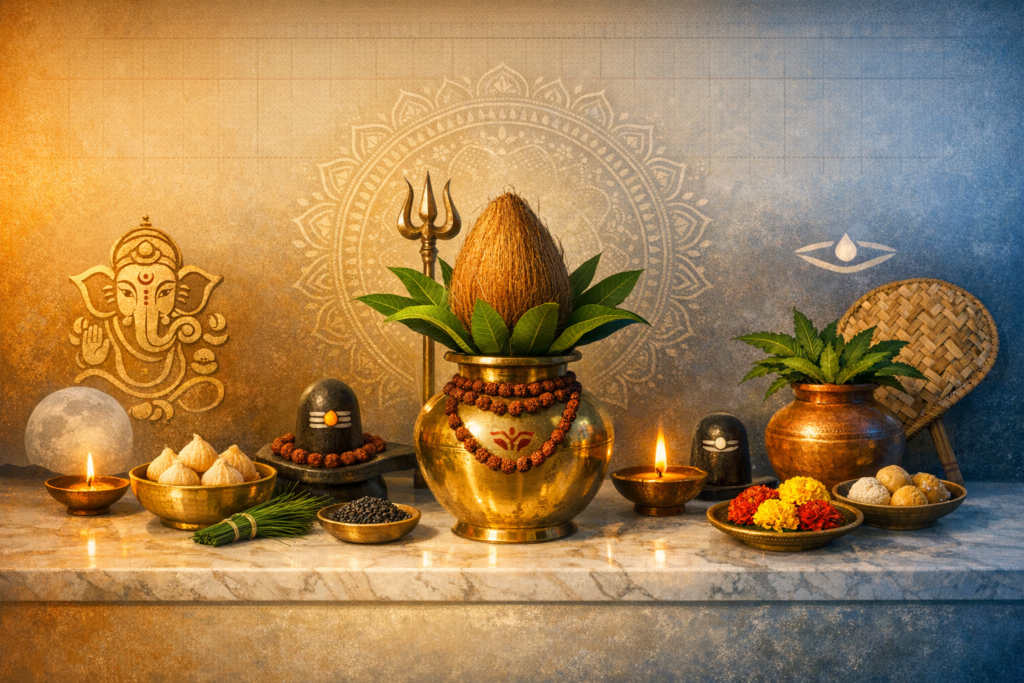
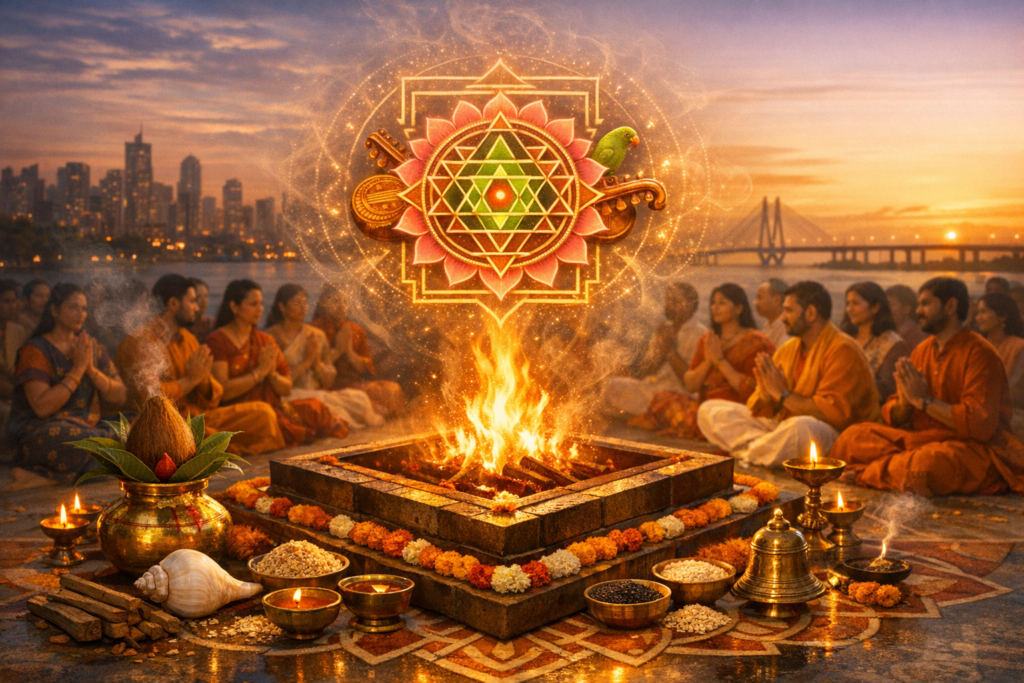
Across dharmic traditions, the full moon’s symbolism of completeness, clarity, and compassion is widely honored. Many Hindus undertake Purnima Vrata, perform Satyanarayan Puja, offer dana, and bathe at sacred waters (snana). Buddhists customarily observe Uposatha with meditation and ethical precepts; Jains emphasize pratikraman, svadhyaya, and fasting disciplines; and Sikh families—while guided by the Nanakshahi (solar) calendar—often engage in seva and kirtan in community life. The shared lunar rhythm thus fosters unity in intention: reflection, ethical living, and service.
For observances that strictly require Purnima tithi, scheduling before 6:28 AM on April 2 is prudent. Early-morning rites—especially those completed in Brahma Muhurta (the serene pre-dawn window)—allow practitioners to align japa, dhyana, snana, and puja with the culminating energy of the full moon. If a tradition specifies that the tithi must prevail in the evening (for example, certain renditions of Satyanarayan Puja), the evening of April 1 is typically preferred, subject to confirmation with the local Panchang for exact tithi presence at that time and place.
With respect to Good Time (Shubh Muhurat), two daily anchors are frequently considered: Brahma Muhurta (approximately 96 to 48 minutes before local sunrise) for inner practices, and Abhijit Muhurta (around local solar noon) for general undertakings. For Purnima-specific rites, however, tithi predominance takes priority over generic muhurta. Consequently, on April 2 the effective ritual window honoring Purnima is limited to the early hours before 6:28 AM, while general tasks may still utilize other auspicious windows later in the day.
Nakshatra and Rashi provide finer, qualitative lenses for the day’s energies. Nakshatra locates the Moon within one of the 27 lunar mansions, while Rashi identifies the Moon’s sign. These factors guide nuanced muhurta selection, tara bala (strength relative to one’s janma nakshatra), and chandra bala (lunar support for the native). Because nakshatra and rashi timings vary with location and almanac conventions, consulting a trusted local Panchang for April 2, 2026 ensures precise alignment with individual and community needs.
The shift to Krishna Paksha Pratipada at 6:28 AM on April 2 inaugurates a contemplative arc that extends until 7:16 AM on April 3. Traditionally, the waning fortnight supports simplification, svadhyaya, and steady sadhana. Many households and communities resonate with this rhythm: fullness and generosity during Purnima, followed by introspection and disciplined practice as the Moon wanes.
From a computational standpoint, Panchang makers resolve tithi boundaries using geocentric ecliptic longitudes of the Sun and Moon, corrected to the chosen sidereal reference (ayanamsha). Differences in ayanamsha, interpolation methods, delta‑T assumptions, and the handling of lunar anomaly can yield minute-level variations between almanacs. Within India, these small discrepancies rarely alter practical observance, but precision users—such as temple priests or ritual planners—routinely verify timings in their established local almanac.
Time-zone context is equally important. The timings here are given in Indian Standard Time (IST, UTC+5:30). Devotees outside India should apply appropriate time-zone conversions and confirm local sunrise parameters, since Brahma Muhurta and other muhurta segments are defined relative to the observer’s place. Minor longitudinal differences within India can also shift calculated endpoints by a few minutes.
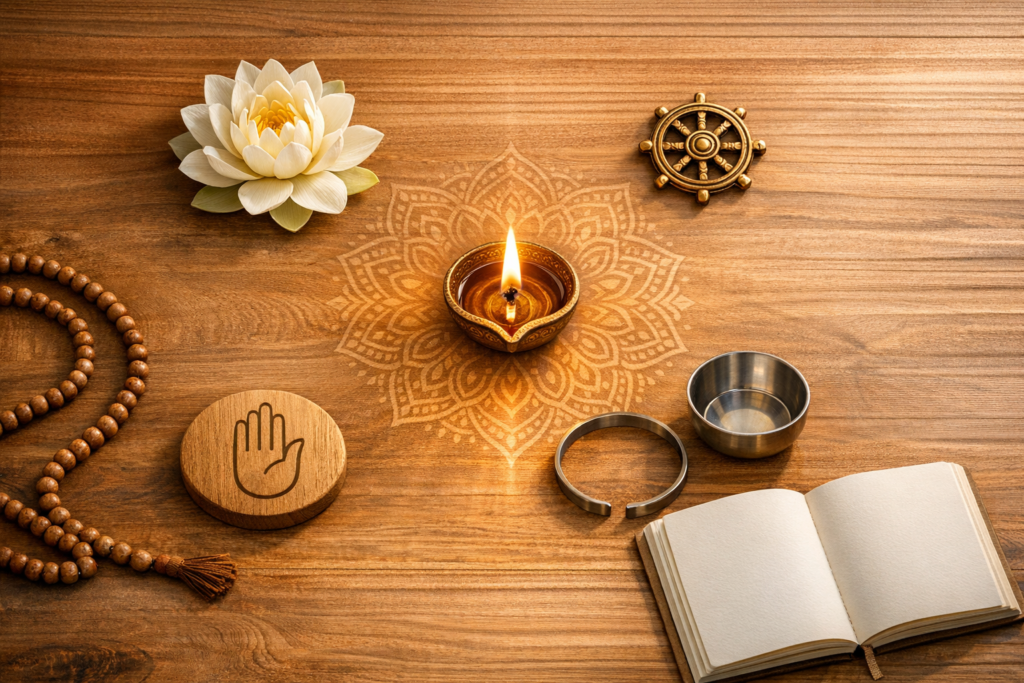
Many families find that the pre-dawn quietude on a full-moon morning naturally encourages mindful routines—lamp lighting, short japa cycles, and gratitude offerings—before the day’s responsibilities begin. Such relatable practices, while simple, uphold the shared dharmic ethos of compassion and self-cultivation that links Hindu, Buddhist, Jain, and Sikh communities in everyday life.
In summary, April 2, 2026 offers a clear, data-grounded observance pathway: honor the Purnima tithi before 6:28 AM (IST), then welcome Krishna Paksha Pratipada thereafter until 7:16 AM on April 3. Aligning practice with accurate Panchang timings—while emphasizing mutual respect and unity across dharmic traditions—supports both spiritual depth and communal harmony.
Purnima ends at 6:28 AM IST on April 2, when Krishna Paksha Pratipada begins. Timings are precise but may vary slightly by local almanacs.
What is Krishna Paksha Pratipada?
Krishna Paksha Pratipada is the first lunar day of the waning fortnight. On April 2, 2026, it begins at 6:28 AM IST and lasts until 7:16 AM on April 3 in most almanacs, with minor regional variations.
Which muhurta windows are highlighted for Purnima rites?
Brahma Muhurta (pre-dawn) and Abhijit Muhurta (around noon) are commonly considered, but for Purnima rites tithi predominance takes priority.
When should Purnima observances be completed?
Before 6:28 AM IST on April 2. For evening-specific requirements, verify with the local Panchang.
Which traditions are mentioned as part of the observance?
The post references Hindu, Buddhist, Jain, and Sikh traditions, with examples like Purnima Vrata, Satyanarayan Puja, Uposatha, pratikraman, and seva.
Why consult local Panchang for timing?
Nakshatra and Rashi timings vary by location and almanac conventions, so consulting a trusted local Panchang ensures precise timing.