Across social strata—from multi-billionaires to those living day to day—there is a shared search for a lasting experience of love. Contemporary stimulants such as gaudy gizmos, exotic holidays, luxury cars, sports bikes, late-night dance parties, expansive friend lists on Facebook, millions of Twitter followers, and 70 mm celluloid screens may excite the senses and momentarily absorb the mind, yet they do not quench the heart’s deeper thirst. This observation, repeated in both classical wisdom and modern life, points to a qualitative distinction between sensory titillation and the enduring fulfillment described in Hindu spirituality and the Bhakti Tradition.
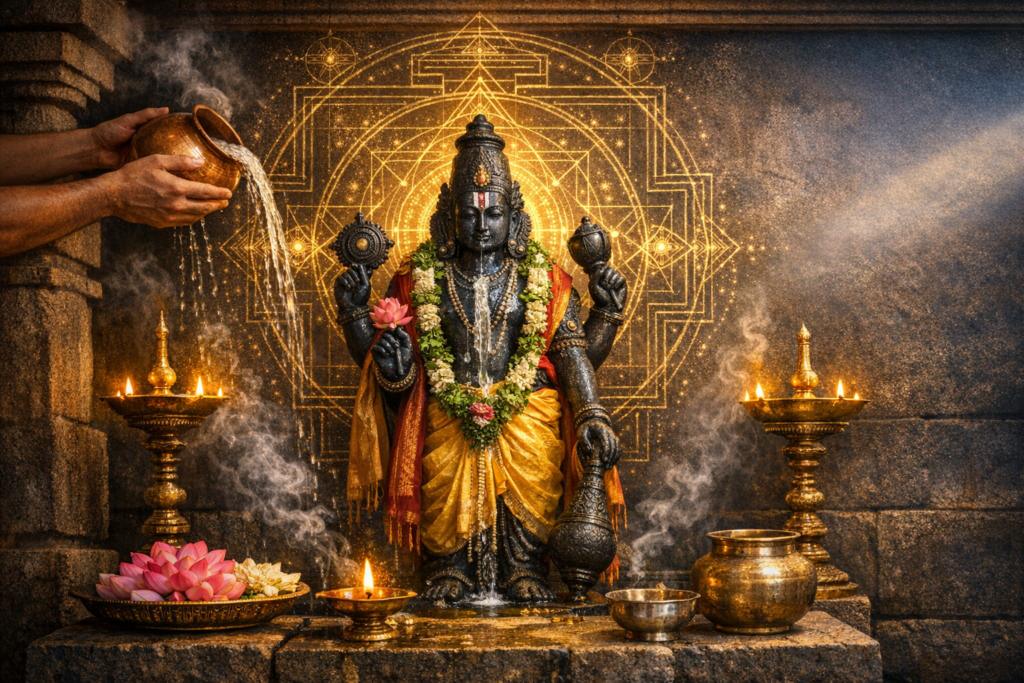
A venerable analogy clarifies this distinction: when a gardener waters the root of a tree, every twig and branch is nourished, and fruit naturally follows. In the same way, when the living being (soul) directs its innate loving propensity toward the Divine Source (Supersoul), comprehensive well-being arises as a natural by-product. Rather than fragmenting affection across innumerable, often competing objects of desire, devotion to the root—understood in Vaishnava theology as Krishna (Supreme God)—integrates and deepens love for all.
This principle is central to the Bhakti Tradition: love offered to Krishna with all the heart becomes expansive, not exclusive. As devotion matures, affection spontaneously extends to one’s brother, neighbor, spouse, colleagues, community, and even to non‑human companions such as a dog or cat. This is not mere sentiment; it follows a clear metaphysical logic. The soul, being part and parcel of the Supreme, finds wholeness in its primary relationship with the Divine; from that wholeness flows tangible compassion, patience, and concern in everyday relationships—an organic expression of Love and tolerance.
Dharmic traditions converge on this foundational insight in ways that support unity in spiritual diversity. In Hinduism, bhakti focuses love on Ishvara, cultivating universal goodwill. Buddhism emphasizes karuṇā and mindfulness that soften egoic craving, opening space for boundless compassion. Jainism’s ahiṁsā and carefulness (apramāda) channel reverence toward all living beings. Sikhism’s seva and remembrance of the Divine Name (Nāmu) foster humility and service. While vocabulary and practice vary, each path directs the heart to a higher center, from which inclusive love radiates to all beings.
Everyday experience corroborates this convergence. Many discover that after the novelty of new devices, holidays, or social media milestones fades, the practices that endure—japa, kirtan, meditation, seva, contemplative study—reshape inner disposition. Anchoring attention in the Divine reduces restlessness, cultivates gratitude, and steadies emotion. As inner stability grows, relationships benefit: conflicts become more navigable, empathy deepens, and generosity arises with less effort.
Seen through this lens, the so‑called “real reel” of life becomes intelligible: when the root is nourished, the branches flourish. Directing love to the Divine Source does not withdraw care from the world; it equips individuals to love the world more wisely. This alignment—soul with Supersoul, practice with purpose—offers a sustainable answer to the heart’s longing and affirms a shared civilizational ethos of harmony across Hinduism, Buddhism, Jainism, and Sikhism.
Inspired by this post on Dandavats.