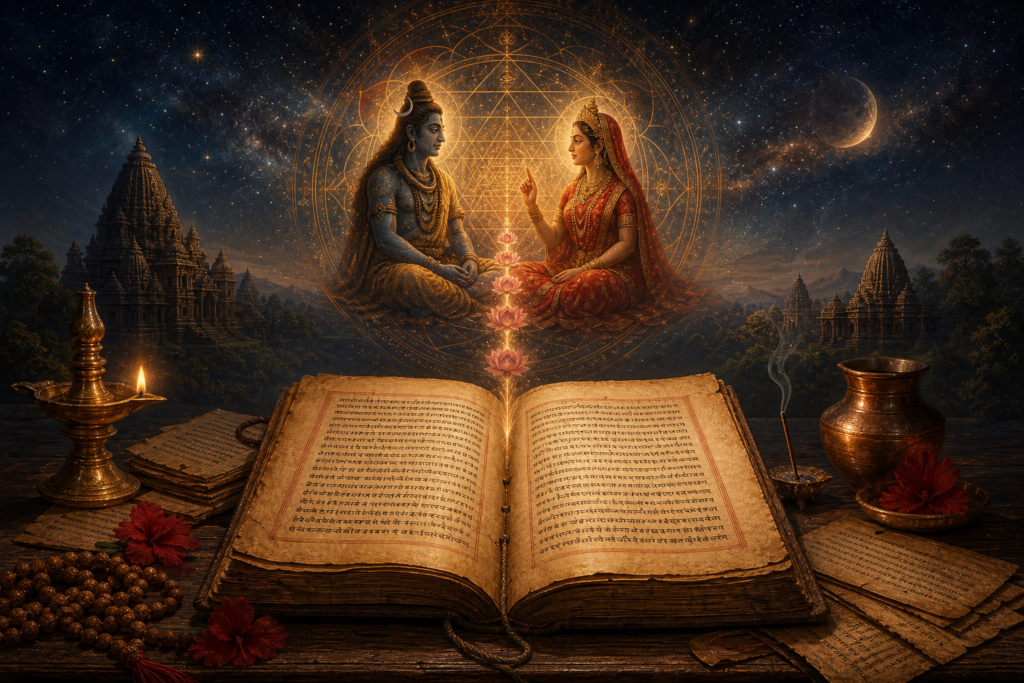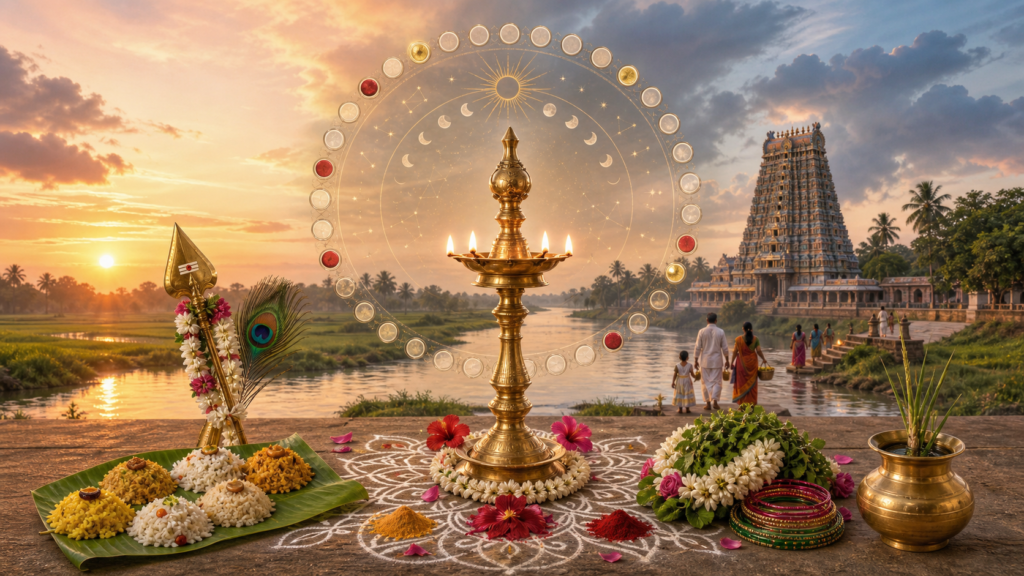
Vayu Bhagavan, revered as the wind god in Hinduism, embodies the vital force that sustains life and movement across the cosmos. Recognized among the powerful deities of the Vedic and Puranic universe, Vayu is honored for unparalleled vigor, precision in duty, and beneficence toward all beings. In many traditions, Vayu is described as born to Rishi Kashyapa and Aditi, aligning him with the divine lineage of the devas and situating him within the broader tapestry of Hindu deities and cosmology.
Classical narratives celebrate Vayu as the divine father of Hanuman and Bhima, whose lives illuminate the virtues of devotion, strength, courage, and service. Through Hanuman’s steadfast dedication to Lord Rama in the Ramayana and Bhima’s unwavering loyalty to Lord Krishna in the Mahabharata, Vayu’s lineage is portrayed as a source of moral power and righteous action. These epics underscore how the significance of Vayu Bhagavan is not merely mythic but ethical and exemplary, shaping ideals that inspire daily conduct.
Philosophically, Vayu is inseparable from prana, the subtle life-energy that animates body and mind. In Yoga philosophy and practice, this connection is experienced intimately through pranayama and mindful breathing, where Vayu’s presence is felt in every inhalation and exhalation. Devotees and practitioners alike often describe a quiet confidence and clarity arising from attentive breath, pointing to Vayudeva Mahatmyam as a lived experience rather than a distant abstraction.
Across dharmic traditions, the reverence for breath and life-energy provides a unifying thread. In Hindu Yoga, pranayama refines awareness; in Buddhism, anapanasati (mindfulness of breathing) cultivates insight and compassion; in Jain practices, careful stewardship of life and breath reflects profound ahimsa; in Sikh simran and kirtan, rhythmic remembrance harmonizes breath, heart, and devotion. This shared valuation of breath affirms interrelated wisdom lineages while honoring diverse paths toward inner balance and ethical living.
In devotional settings, Vayu Bhagavan is praised for sustaining the Panchabhutas (five elements) and for guiding seekers toward steadiness in thought, word, and deed. Many communities recount the consoling presence of Vayu during moments of prayer and pilgrimage, where a sudden breeze is experienced as a blessing and reminder of divine proximity. Such experiences nurture an emotional connection to Vayu’s compassion, reinforcing faith during challenges and gratitude during calm.
Contemporary relevance emerges wherever breathwork supports well-being, resilience, and clarity. Whether through simple mindful breathing, structured pranayama, or silent contemplation, aligning with Vayu’s principle of prana can steady the mind, energize the body, and orient action toward dharma. The legacies of Hanuman and Bhima offer practical inspiration: devotion coupled with courage, strength guided by compassion, and purpose anchored in service.
Thus, the significance of Vayu Bhagavan bridges scripture, philosophy, and lived practice. As guardianship of breath and life, Vayudeva Mahatmyam invites reflection on unity within diversity across Hinduism, Buddhism, Jainism, and Sikhism. In honoring Vayu, communities honor the breath itselfsubtle, universal, and transformativebinding daily life to timeless wisdom.
Inspired by this post on Hindu Pad.