-
Bhim Ekadashi (Nirjala) 2026: Exact Date, Transformative Fasting Guide & Pandava Heritage

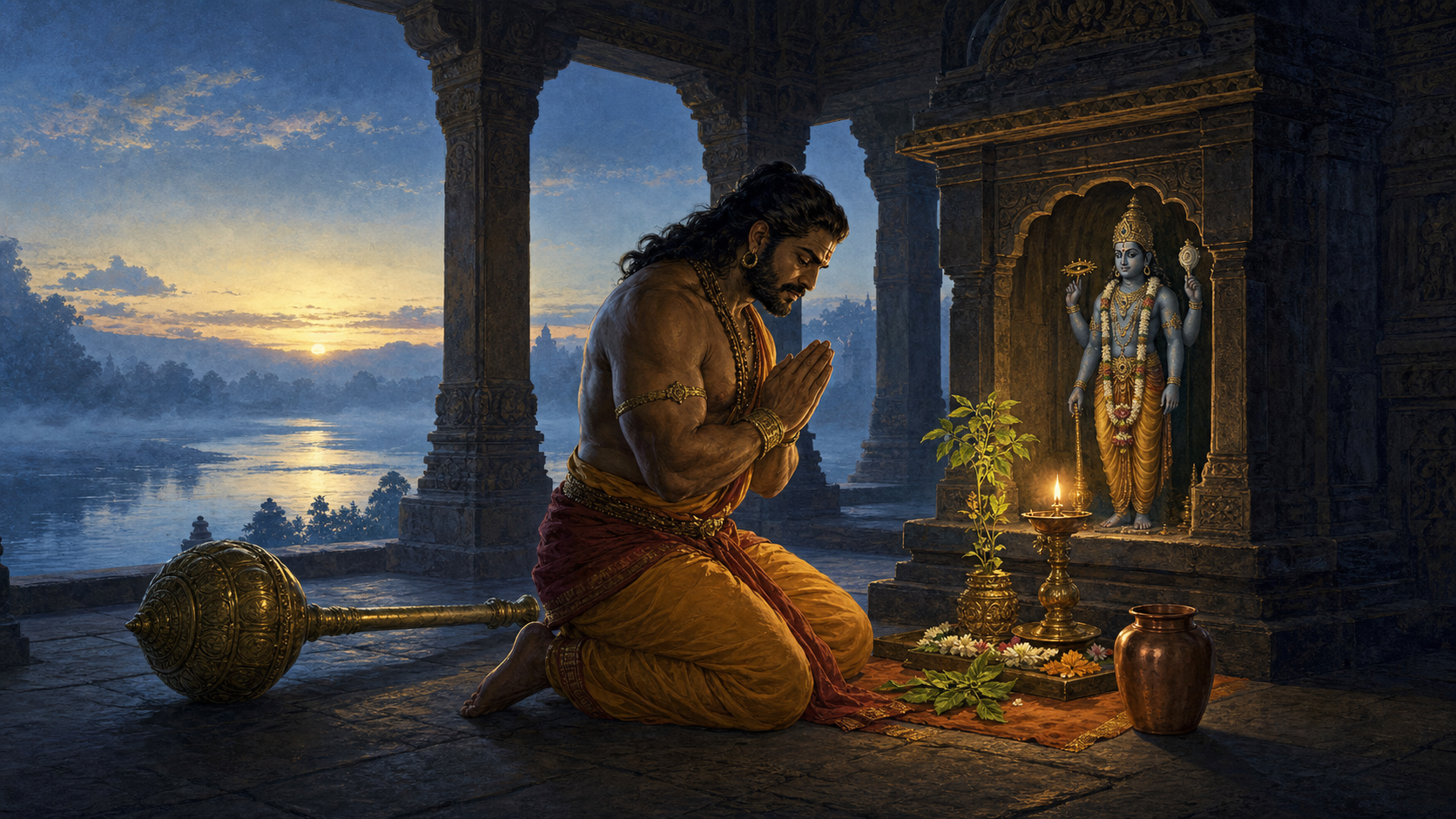
Bhim Ekadashi—also called Bhimseni, Bhima Ekadasi, Pandava Ekadashi, and Nirjala Ekadashi—falls on Thursday, 25 June 2026 (Jyeshtha Shukla Ekadashi) and is honored as one of the most stringent and transformative Ekadashi vratas. The vrata prescribes a waterless fast (Nirjala) from sunrise to Dwadashi parana, aligning tapas with Vishnu-bhakti through nama-japa, simple archana, and quiet study.…
-
Nirjala Ekadashi 2026: Ultimate Waterless Vrat Guide—Date, Vidhi, Parana, and Profound Blessings

Nirjala Ekadashi—also called Pandava Ekadasi and Bhimsen Ekadashi—falls on 25 June 2026 (Jyeshtha Shukla Ekadashi) and is observed as a traditional waterless fast dedicated to Sri Vishnu. Rooted in the Brahma Vaivarta Purana, the vrat katha links this austere observance to Bhima and extols its transformative merit when performed with devotion and correct Parana. The…
-
Bhim Ekadashi 2026 (Nirjala): Powerful Pandava Vrat, Date, Puja Vidhi, Parana & Significance

Bhim Ekadashi 2026—also called Nirjala, Bhimseni, or Pandava Ekadashi—falls on Thursday, June 25, aligning with Jyeshtha Shukla Ekadashi in the Hindu calendar. Revered as the most austere of the 24 Ekadashi vratas, it is associated with Bhima of the Mahabharata and the discipline of a waterless fast. This guide explains the date, the lunar-tithi basis,…
-
Nirjala Ekadashi 2026: Ultimate Waterless Fast—Date, Vrat Vidhi, Katha, Parana Rules

Nirjala Ekadashi 2026 falls on Thursday, 25 June (India) and is known as the most austere Ekadashi—a complete fast without water dedicated to Vishnu. Rooted in the Brahma Vaivarta Purana and celebrated as Pandava or Bhimsen Ekadashi, it is said to grant the merit of observing all Ekadashis in a year when undertaken correctly. The…
-
Why Dushasana’s Savage End in the Mahabharata Became Dharma’s and Karma’s Verdict

Dushasana’s death in the Mahabharata is not gratuitous violence but a juridical and karmic reckoning anchored in dharma. The Sabha Parva’s humiliation of Draupadi creates an ethical debt that battlefield dharma later settles when institutions fail. Bhima’s vow and its fulfillment on the sixteenth day fit the epic’s vow-driven architecture of justice, illustrating apad-dharma under…
-
Vikarna’s Tragic Fall at Kurukshetra: Bhima’s Uncommon Reverence and the Paradox of Dharma

Vikarna’s death at Kurukshetra, and Bhima’s rare public respect for him, reveal the Mahabharata’s refusal to reduce war to simple binaries. The episode traces Vikarna’s lonely protest during Draupadi’s humiliation, his later loyalty under kṣātra-dharma, and Bhima’s empathetic yet resolute response in battle. Read through the lens of Dharma-Yuddha, it becomes a case study in…
-
Bhima vs. the Elephant Legion: Epic Power, Strategy, and Dharma in the Kurukshetra War

This study examines Bhima’s encounters with the Kaurava elephant corps in the Mahabharata’s Kurukshetra War, integrating military history, scriptural exegesis, and symbolism. Readers gain a precise view of how a gaja-vyuha functioned, why elephants were both decisive and dangerous, and how Bhima’s gada-work exemplified targeted counters to heavy shock units. The ethically fraught Ashvatthama episode…
-
Draupadi’s Two Boons and a Refusal: Dharma’s Quiet Triumph over the Kuru Court in the Mahabharata

The Dyuta Sabha in the Mahabharata showcases Draupadi’s precise ethical reasoning and strategic restraint: she accepts two boons from Dhritarashtra to restore the Pandavas’ freedom and dignity, then refuses a third to avoid greed. This analysis clarifies the legal-dharmic core of her challenge to the Kuru court—capacity and consent—while situating the episode in Sabha Parva…
-
Mahabharata’s Fierce Reckoning: Jayadratha, Kichaka, and Dharma’s Unforgiving Verdict

This analysis examines how the Mahabharata adjudicates unrestrained desire through the intertwined fates of Jayadratha and Kichaka. It shows how Dharma calibrates justice—humiliation when restraint advances stability, and decisive force when protection of the vulnerable demands it. Readers gain a clear view of Rajadharma, Dandaniti, Apaddharma, and the atatayin doctrine, applied to real narrative crises.…
-
Duryodhana’s Poison Plot, Bhima’s Naglok Descent, and King Aryak’s Divine Empowerment

This long-form analysis explores the Mahabharata’s Naglok episode, where Duryodhana’s poison plot leads unexpectedly to Bhima’s empowerment under Naga King Aryak. It traces how treachery is transformed into destiny through kinship recognition, rasāyana-like rejuvenation, and Dharmic ethics. The essay situates Aryak within pan-Dharmic serpent symbolism—paralleling motifs in Hindu, Buddhist, and Jain traditions—highlighting unity through shared…
-
Vikarna, the Lone Kaurava of Conscience: A Stirring Lesson in Dharma and Courage

Vikarna stands out in the Mahabharata as a Kaurava who chose conscience over convenience, challenging the humiliation of Draupadi with clear, dharmic reasoning. His solitary dissent in the dice hall reveals how ethical courage can persist amid overwhelming pressure. Yet his later decision to fight for the Kauravas highlights the epic’s deeper paradox of duty…
-
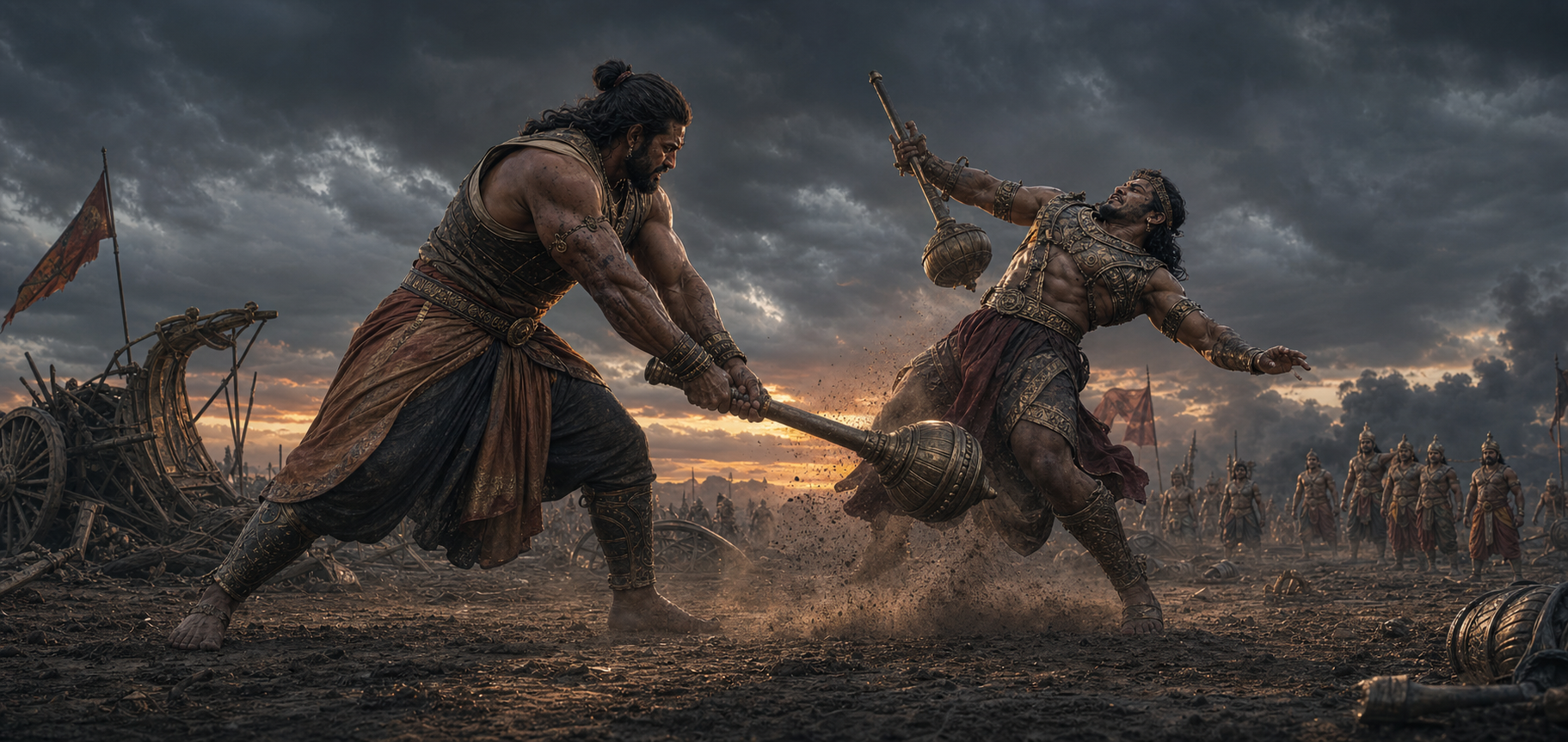
Bhima vs Duryodhana: The Final Reckoning and Symbolic Resolution of the Mahabharata
The Mahabharata’s Kurukshetra War resolves in a singular, symbolic duel between Bhima and Duryodhana. Framed by gada-yuddha rules and a stark, dried lake bed, the battle concentrates the epic’s ethical tensions into one decisive moment. Bhima’s controversial blow fulfills a vow while testing the bounds of dharma and procedure. The thigh, marked by prior insult,…
-
Mahabharat Stories: 10 Iconic Moments That Shaped Dharma, Destiny, and the Kurukshetra War

This academically grounded overview presents ten iconic moments from the Mahabharata that continue to shape ethical thought, leadership, and social harmony. It explores Dyutakrida and the dignity of justice, Bhishma’s vow and the cost of rigid duty, and Krishna’s Udyoga Parva diplomacy as a model of principled peace. The Bhagavad Gita reframes action through svadharma…
-
Vayudeva Mahatmyam: Exploring the Wind God’s Power, Prana, and Dharma Across Traditions

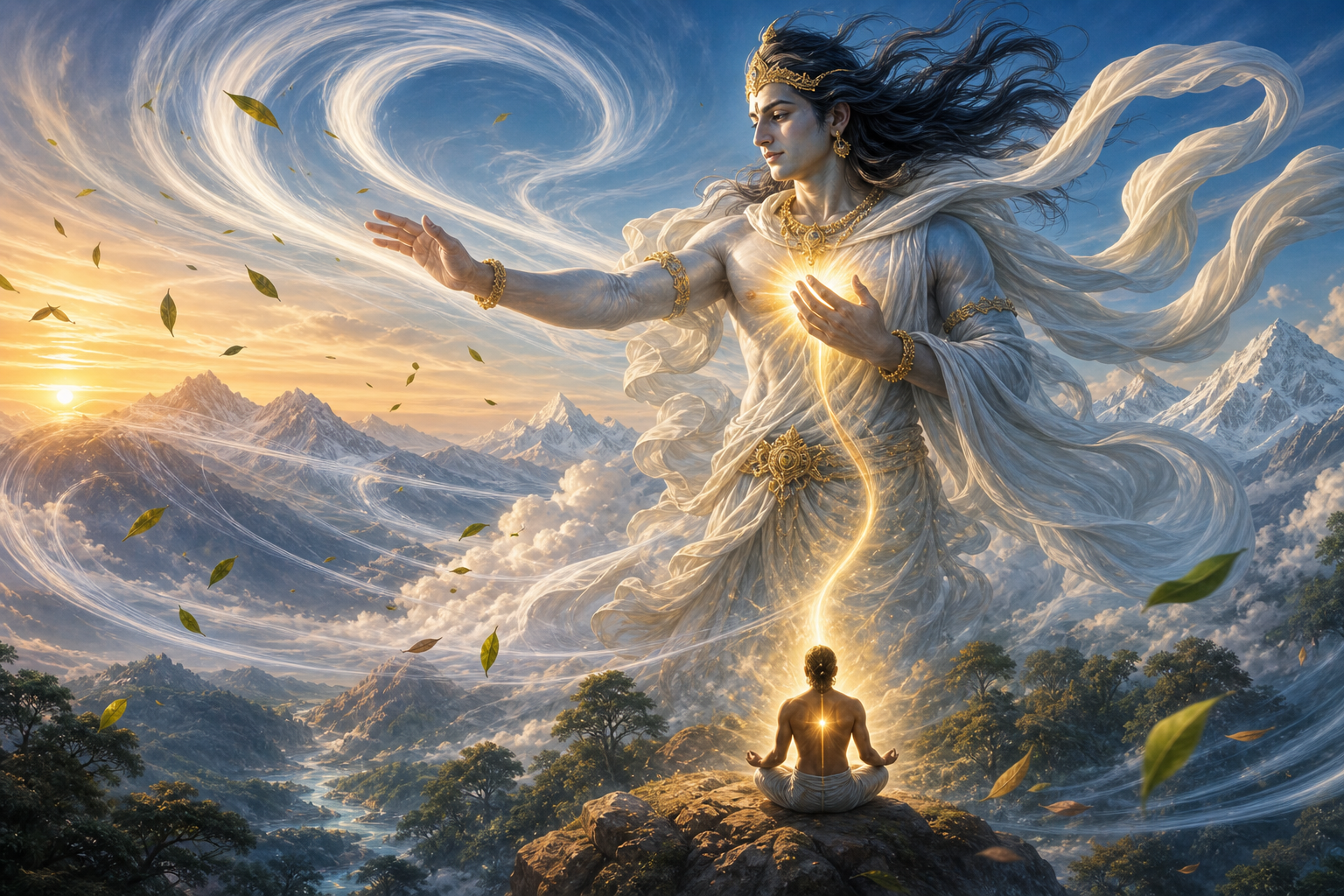
Vayu Bhagavan, the wind god of Hindu tradition, is revered as the sustaining force behind prana, movement, and life. Classical narratives honor him as the divine father of Hanuman and Bhima, whose devotion to Lord Rama and loyalty to Lord Krishna exemplify courage and service. Philosophically, Vayu’s essence is experienced through pranayama and mindful breathing,…