
-
Hanumath Kalyanam Explained: Why Hanuman Weds SuvarchalaTexts, Symbolism, Ritual Life
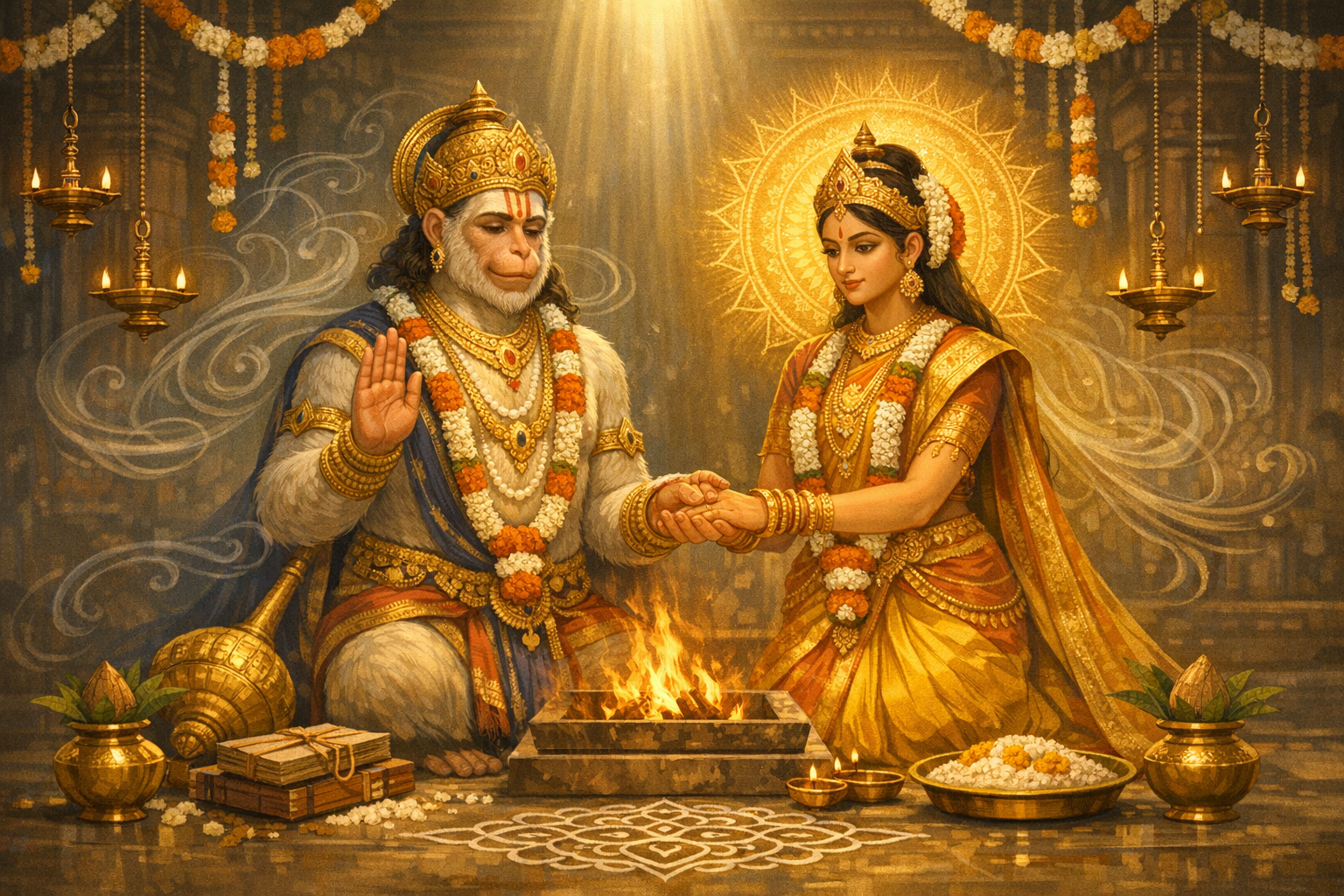
Hanumath Kalyanam asks a striking question: why would a nitya-brahmachari like Hanuman marry? This exploration traces the South Indian legend in which Suvarchalaborn of Surya Bhagavan’s Varchasweds Hanuman, while his vow of brahmacharya remains intact. It clarifies that the Valmiki Ramayana is silent on this motif, which emerges richly in regional sthala-puranas and temple kathas.…
-
Hanuman Jayanti Upvaas 2026: Chaitra Shukla Chaturdashi Guide, Vrat Vidhi, Timings, Benefits
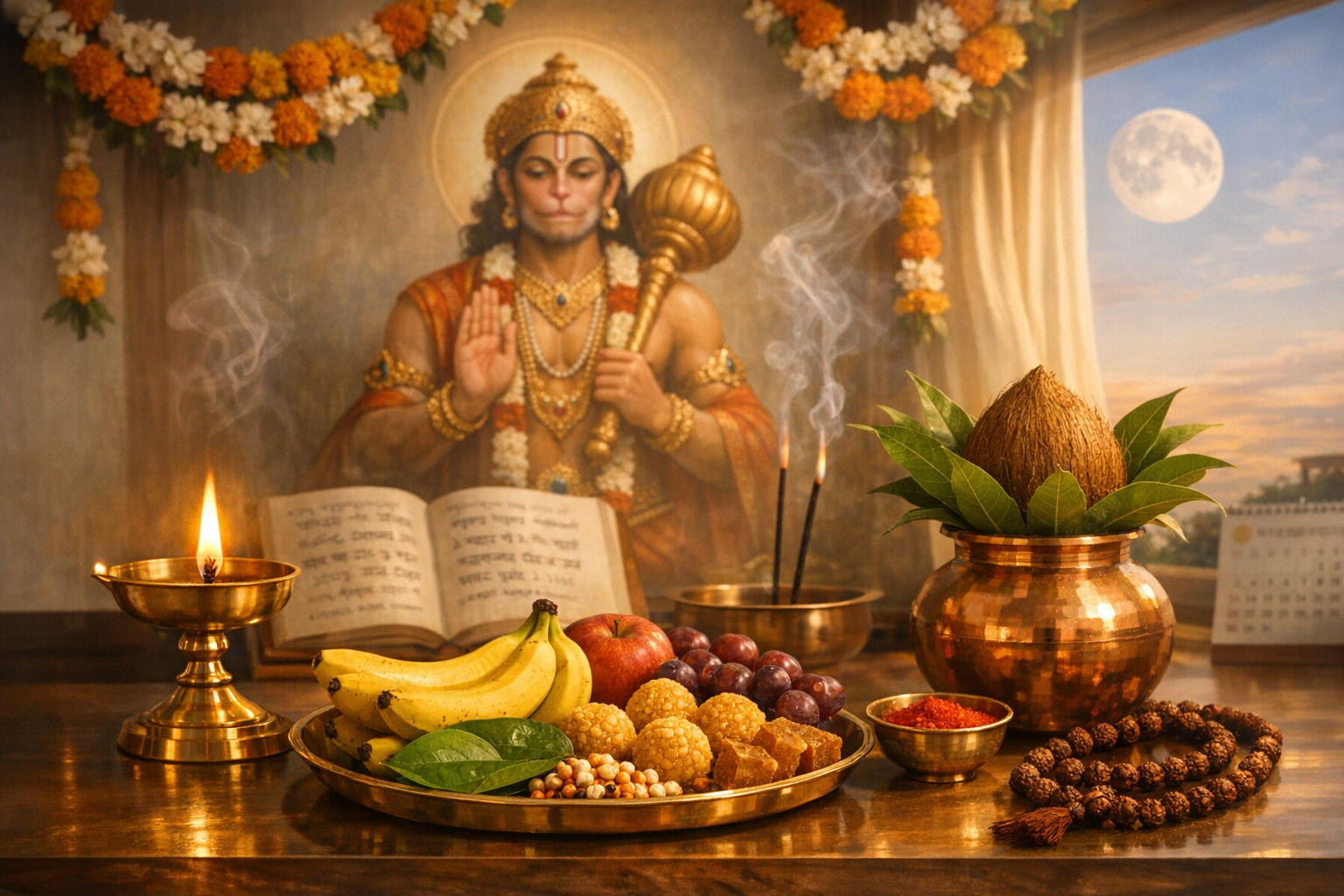
Hanuman Jayanti Upvaas in 2026 will be observed on 1 April, corresponding to Chaitra Shukla Chaturdashi in many regions. The fast is kept from sunrise to sunset and is typically concluded with simple prasad after evening worship. This guide explains regional calendar variations, outlines a clear Vrat Vidhi, and recommends appropriate food choices for phalahar…
-
Gazelle of Vayu: Unlocking the Wind God’s VahanaSwiftness, Prana, and Spiritual Freedom
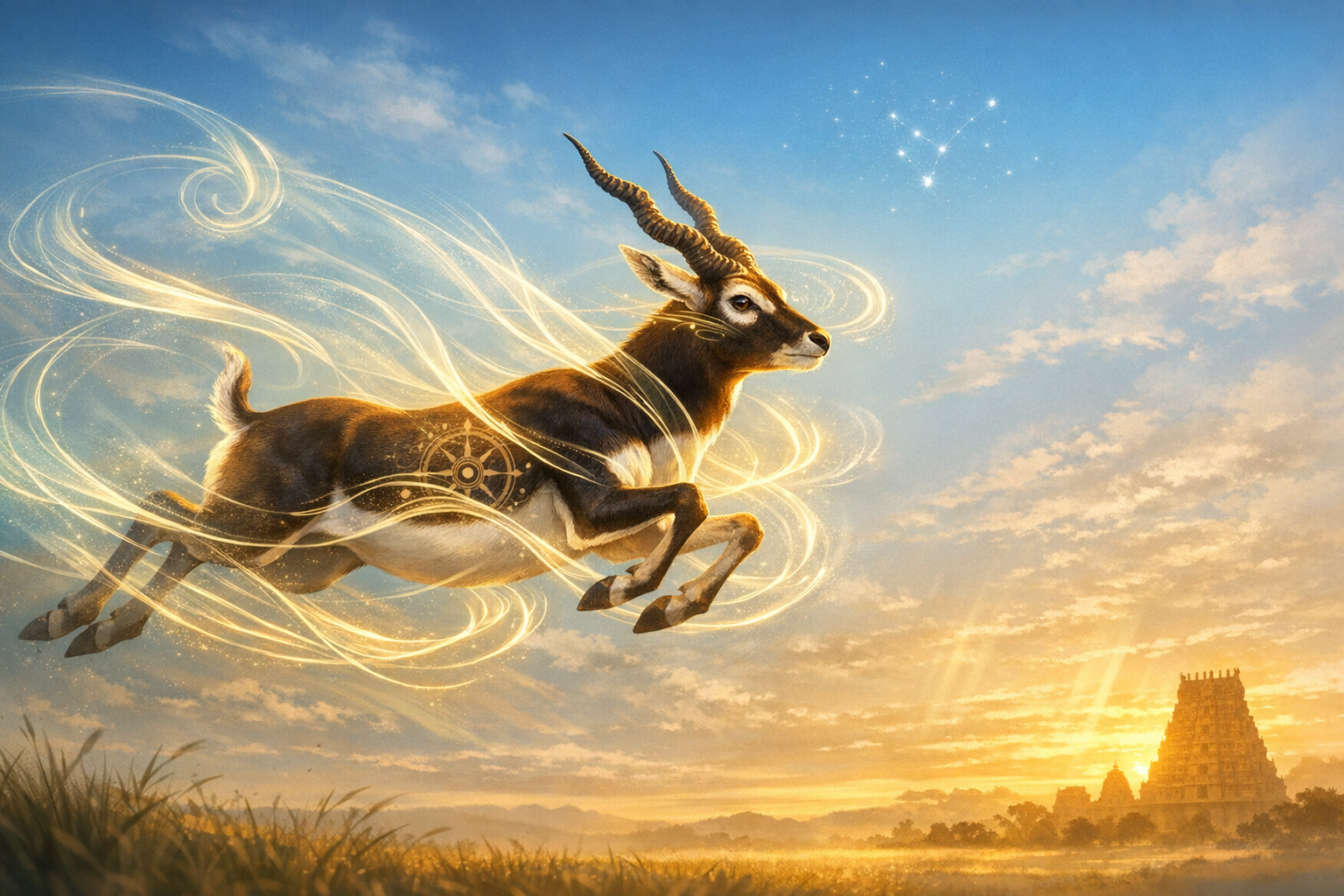
In Hindu iconography, the gazelle (mriga) as Vayu’s vahana is a precise spiritual diagram of swiftness, subtlety, and liberation. This long-form analysis decodes the symbol across scriptures, Puranic iconography, yogic physiology (the five vayus), and classical astrology (Mrigashira Nakshatra). It explains how breathpranatransforms restlessness into poised readiness, turning speed into clarity and clarity into freedom.…
-
Hanuman and the Five Elements in Kamba Ramayanam: Transformative Symbolism and Yogic Science
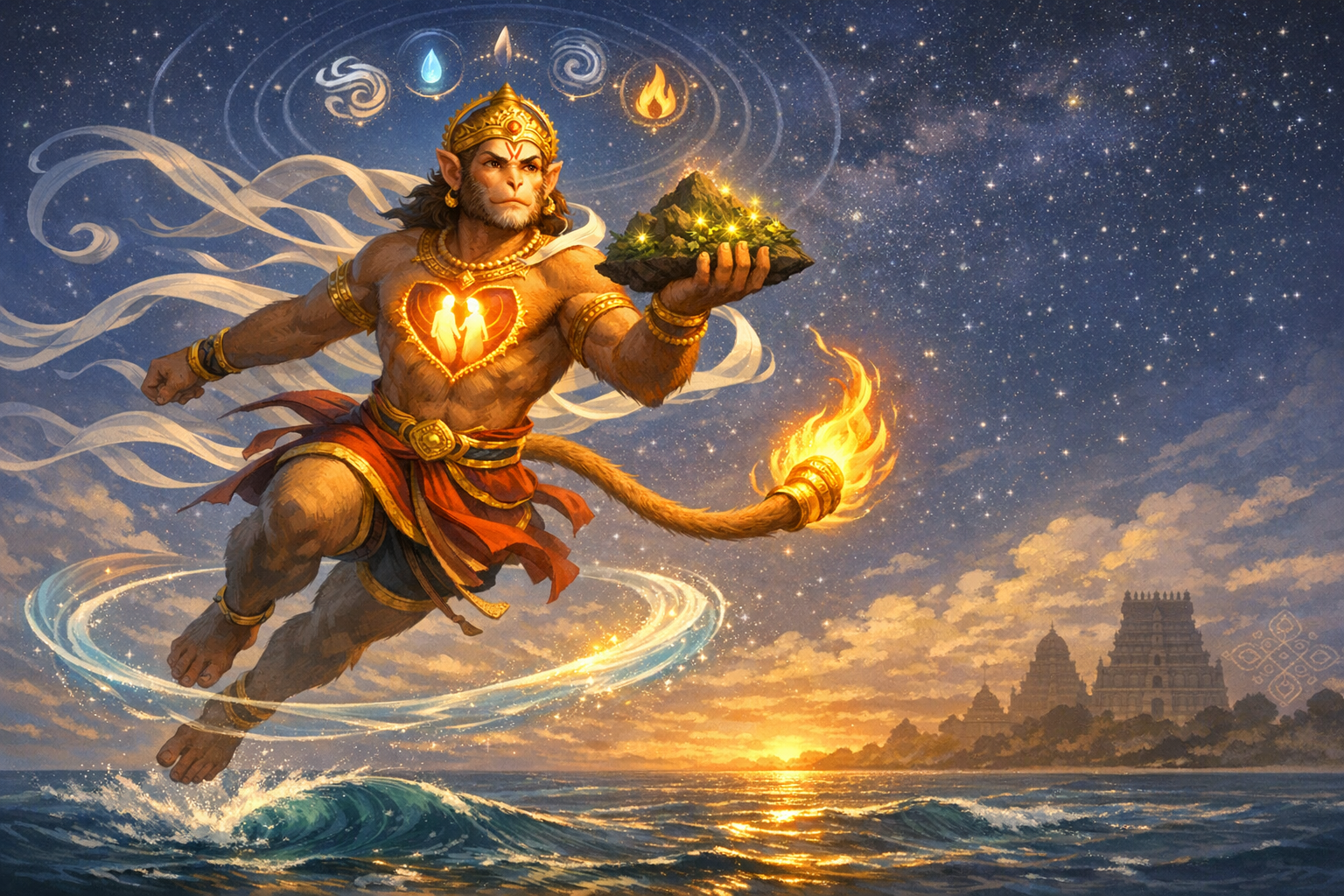
The Kamba Ramayanam presents Hanuman as an embodied map of the five great elementsVayu, Jala, Akasha, Agni, and Bhoomitransforming epic episodes into a precise guide for ethical action and inner balance. Vayu becomes pranic mastery and courage, Jala becomes adaptable resolve, Akasha becomes the clarity of spacious awareness, Agni becomes purifying discernment, and Bhoomi becomes…
-
Prophecy and Peril: Hanuman’s Divine Birth That Defied Vali’s Deadly Plot
A lesser-known episode from the Kamba Ramayana recounts how Vali, fearing a prophecy, sought to destroy Hanuman before birth, only for Vayu to shield Anjana and the unborn child in a stunning affirmation of dharma. This retelling clarifies how regional variants complement the Valmiki Ramayana, enriching the epic’s living tradition. Readers gain insight into why…
-
Vayudeva Mahatmyam: Exploring the Wind God’s Power, Prana, and Dharma Across Traditions
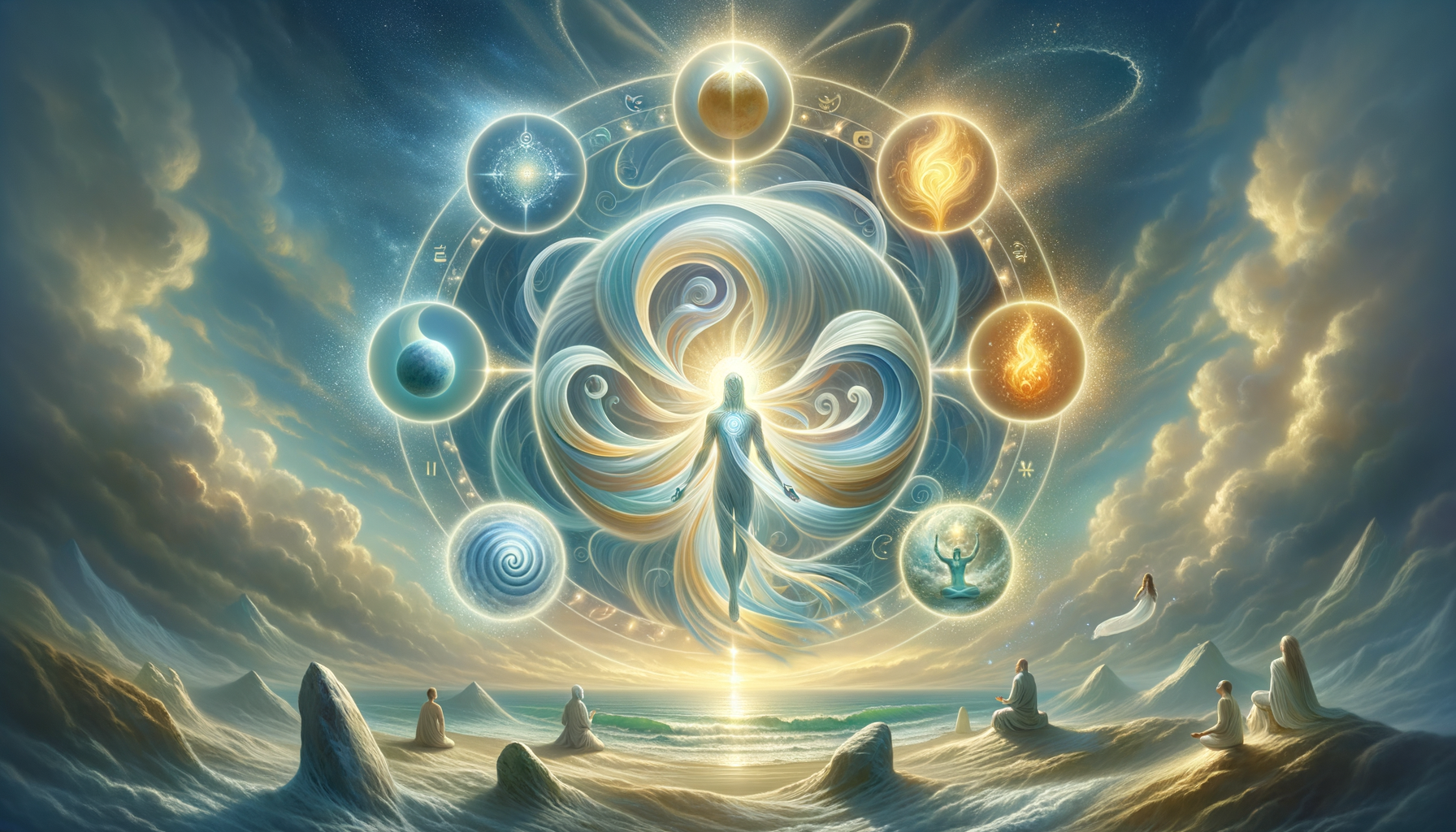
Vayu Bhagavan, the wind god of Hindu tradition, is revered as the sustaining force behind prana, movement, and life. Classical narratives honor him as the divine father of Hanuman and Bhima, whose devotion to Lord Rama and loyalty to Lord Krishna exemplify courage and service. Philosophically, Vayu’s essence is experienced through pranayama and mindful breathing,…
-
Vayudeva Mahatmyam: Unveiling the Power, Grace, and Living Legacy of Vayu Bhagavan
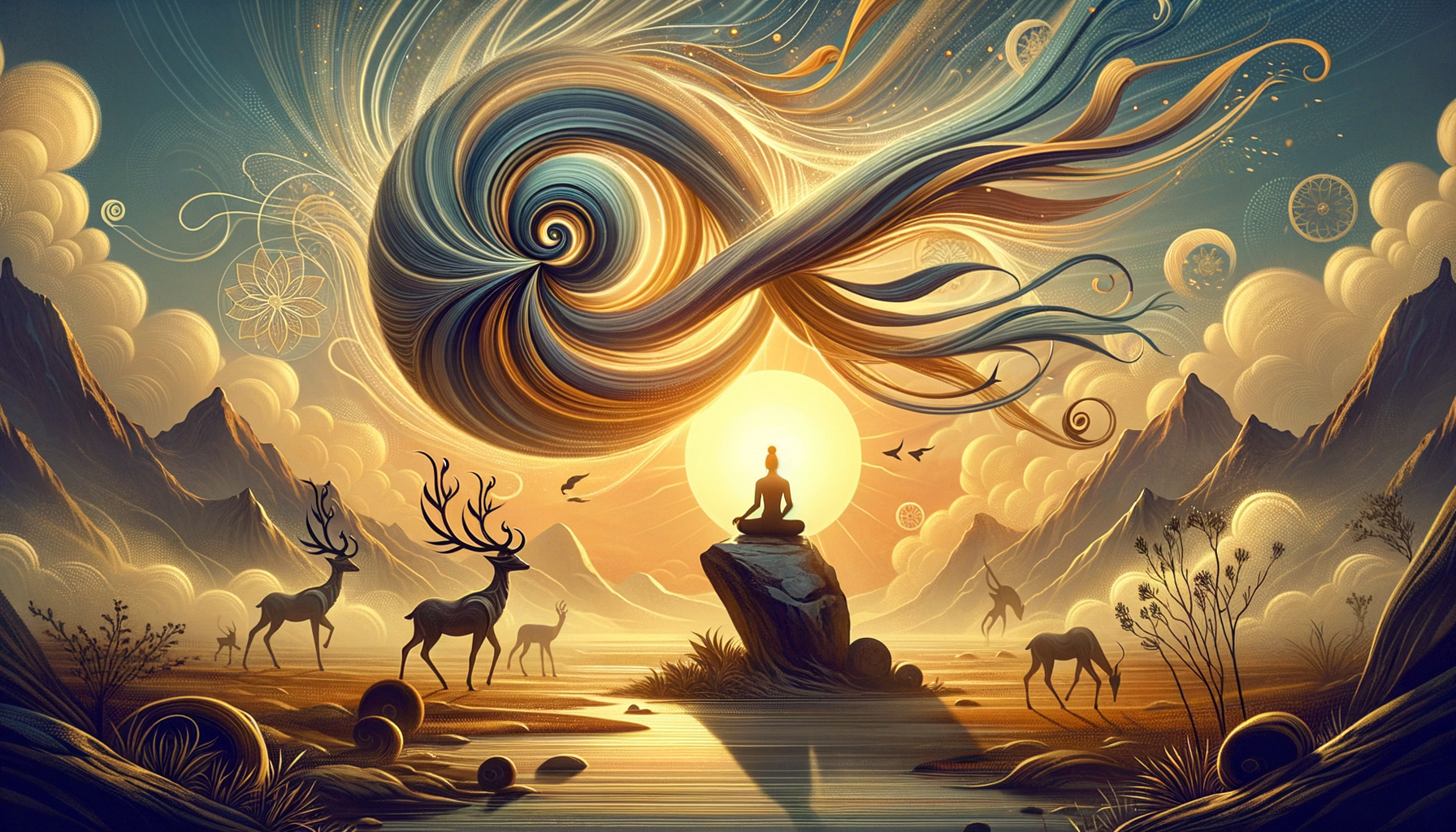
Vayu Bhagavan, the wind god of Hindu scriptures, embodies the cosmic prana that sustains life and guides conscious action. The Vayudeva Mahatmyam highlights his lineage from Rishi Kashyapa and Aditi, and his enduring legacy through Hanuman and Bhima, whose service to Lord Rama and Lord Krishna exemplifies strength, humility, and devotion. By linking Vayu’s power…