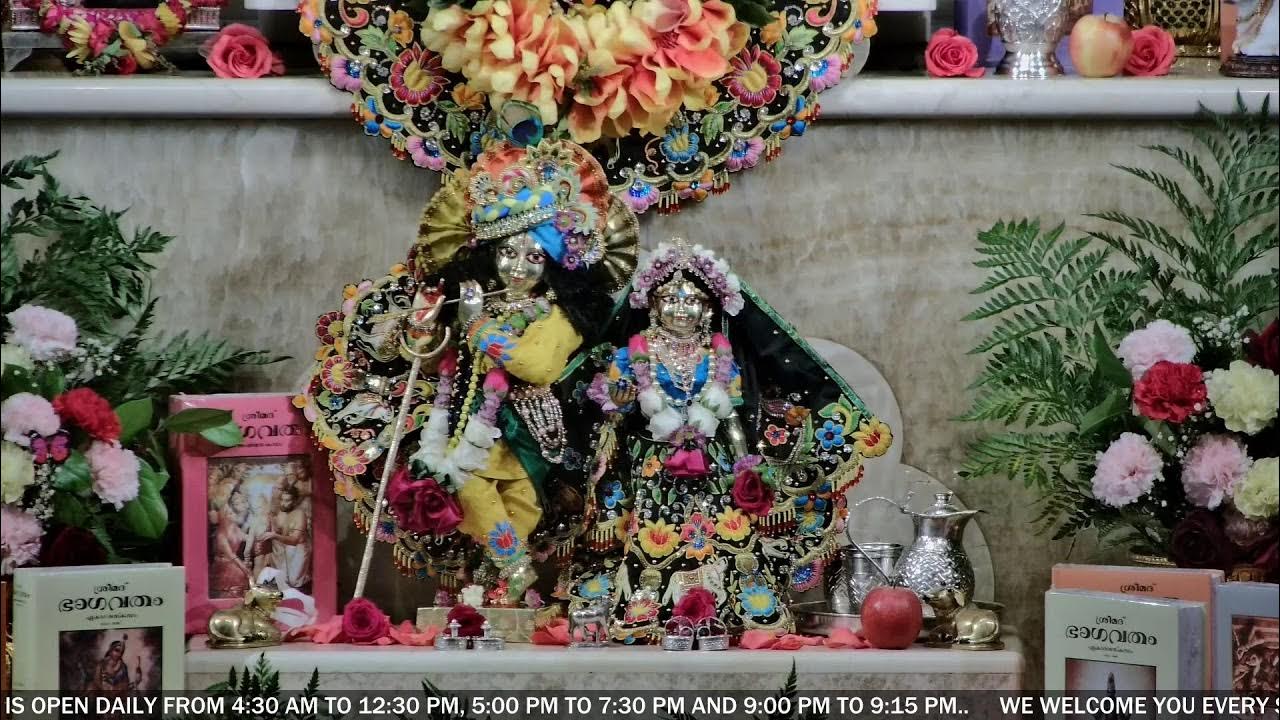
Śrīmad-Bhāgavatam (SB 1.2.18) presents a clear remedy for removing inauspicious impressions and obstacles that cloud self-realization: nityaṁ bhāgavata-sevayā, steady association and service in relation to the Bhāgavata. The verse states, “naṣṭa-prāyeṣv abhadreṣu nityaṁ bhāgavata-sevayā; bhagavaty uttama-śloke bhaktir bhavati naiṣṭhikī,” indicating that as impurities are diminished through consistent engagement with the Bhāgavata, devotion becomes firm and unwavering.
Tradition explains two complementary forms of this association: the “book bhāgavata” (the scripture itself, Śrīmad-Bhāgavatam) and the “devotee bhāgavata” (the realized practitioner whose life embodies the text). Both together form a complete remedysystematic study strengthens philosophical understanding, while the company of devoted practitioners refines character, habits, and daily sādhanā. In this synergy, śravaṇa (hearing), manana (reflection), and sevā (service) gradually dissolve inner agitation and reorient the heart toward bhakti.
HG Anuttama prabhu’s exposition on SB 1.2.18 highlights practical pathways for seekers: regular participation in Bhāgavatam classes, thoughtful reflection on its teachings, and respectful service to advanced devotees. This steady rhythm cultivates sattva, clarifies priorities, and builds resilience against distractions. Over time, many practitioners observe tangible shiftslighter moods, clearer judgment, and a deepening inclination for kīrtana, japa, and compassionate conduct in family and community life.
This discipline of association resonates across Dharmic traditions and fosters unity. In Buddhism, kalyāṇa-mitta (noble friendship) protects and guides the path; in Jainism, satsaṅga nurtures ethical steadiness and inner clarity; in Sikh tradition, sadhsangat elevates remembrance and service. Each tradition affirms that sincere company and living wisdom accelerate inner purification. Emphasizing this shared insight strengthens harmony within Sanātana Dharma’s diverse streams while honoring distinct practices.
Applied thoughtfully, nityaṁ bhāgavata-sevayā is both accessible and transformative. Practical steps include scheduling daily reading of Śrīmad-Bhāgavatam, joining a study circle or satsanga, seeking guidance from a mature practitioner, and engaging in service that aligns with personal duties. In this way, the “book bhāgavata” informs the intellect, the “devotee bhāgavata” inspires the heart, and together they dissolve inner impedimentsleading from uncertainty to naiṣṭhikī-bhakti, steady and joyful devotion.
For those exploring Bhakti within contemporary life, this teaching offers a grounded blueprint: cultivate uplifting association, keep the Bhāgavatam close, and let daily choices reflect its counsel. The remedy does not demand drastic withdrawal from responsibility; rather, it integrates spiritual depth with work, family, and community service. In honoring both scripture and saintly company, seekers access a time-tested method to purify the heart and advance meaningfully on the path of self-realization.
Inspired by this post on Dandavats.