Within the Vedic tradition of Hindu Dharma, the Divine is understood as personal and infinitely kind, permitting personal service even amid human limitations. This vision lies at the heart of bhakti-yoga, where devotional service becomes a disciplined, experiential path within Hindu spirituality. It coexists harmoniously with the broader plurality of dharmic traditions, affirming unity in spiritual diversity while honoring distinct modes of practice.
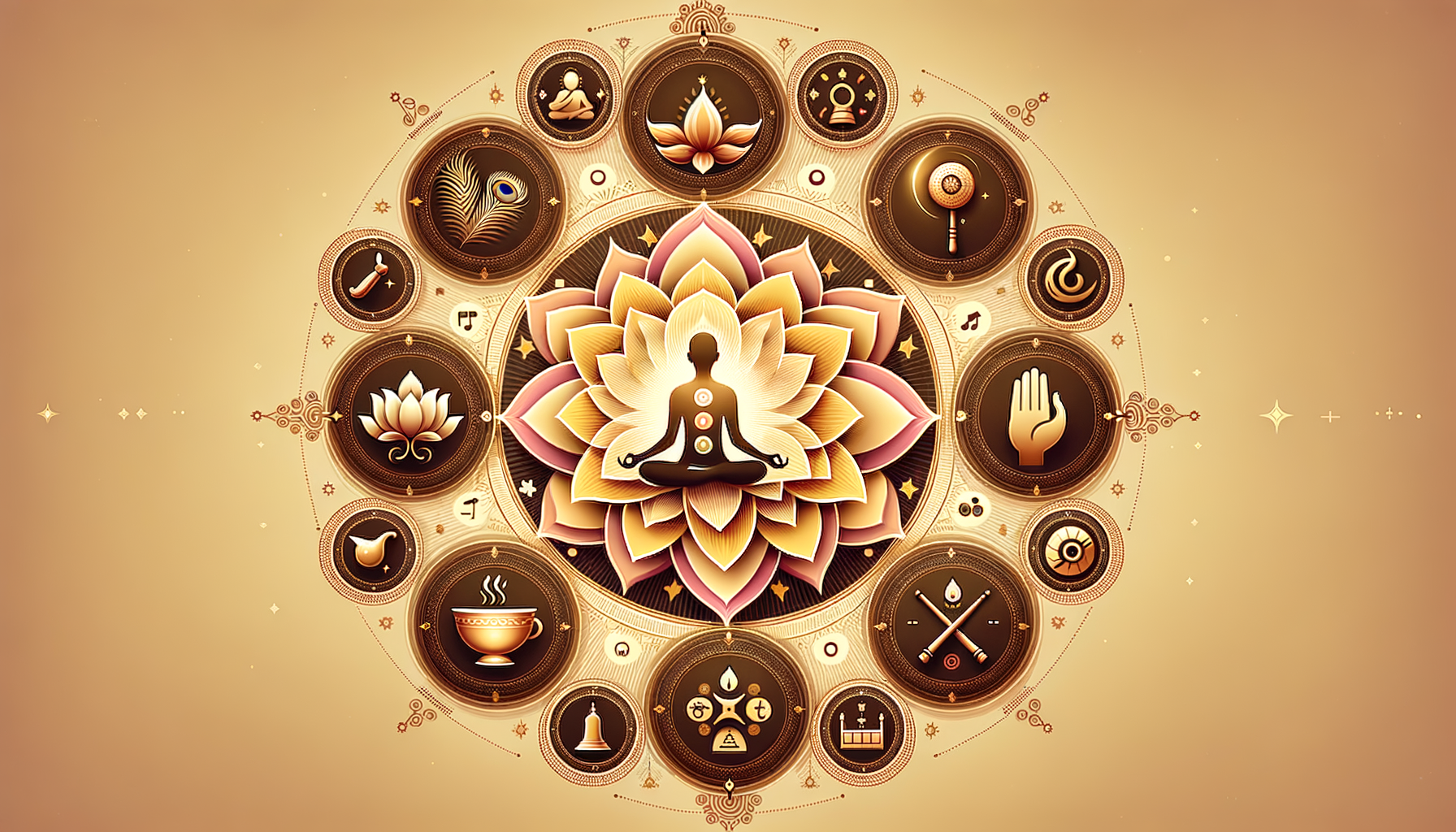
In the Srimad-Bhagavatam, the devotee Prahlada Maharaja, a respected spiritual authority, summarizes the nine processes of devotional service: “Hearing and chanting about the transcendental holy name, form, qualities, paraphernalia, and pastimes of Lord Visnu [Krsna], remembering them, serving the lotus feet of the Lord, offering the Lord respectful worship …, offering prayers to the Lord, becoming His servant, considering the Lord one’s best friend, and surrendering everything unto Him (in other words, serving Him with the body, mind, and words) these nine processes are accepted as pure devotional service. One who has dedicated his life to the service of Krsna through these nine methods should be understood to be the most learned person, for he has acquired complete knowledge.”
These nine pathwayshearing, chanting, remembering, serving, worshiping, praying, servitude, friendship, and surrenderoffer a comprehensive framework for bhakti-yoga. They engage cognition, emotion, and action, guiding practitioners to integrate sacred remembrance with daily life. In the Bhakti Tradition, they are not mutually exclusive; many cultivate a natural blend based on temperament and Ishta (chosen form of the Divine), allowing devotion to mature in a manner that is authentic and sustainable.
Practically, hearing and chanting about Krishna (Krsna) anchor the mind, while worship and prayer cultivate reverence and presence. Serving and accepting a posture of humble servitude foster ethical action and compassion. Friendship with the Divine nurtures trust and resilience, and surrender deepens alignment of body, mind, and words. As described in the Srimad-Bhagavatam, such devotional service is both a path to realization and a lived expression of knowledge in Hindu spirituality.
The statement that one devoted to these practices is “most learned” reframes knowledge as embodiment rather than abstraction. Learning, in this view, emerges from disciplined remembrance, ethical conduct, and consistent devotionan integration that refines character and clarifies discernment. This understanding resonates with the wider Vedic tradition, in which wisdom is measured by transformation and service, not by rhetoric alone.
Embracing religious pluralism within the dharmic family, this devotional model aligns with shared principles across Hinduism, Buddhism, Jainism, and Sikhism. Mindful remembrance parallels Buddhist attention and compassion; ethical devotion harmonizes with Jain commitments to ahimsa and self-restraint; seva (selfless service) resonates deeply with Sikh practice; and Hindu worship of one’s Ishta affirms diverse approaches to the same spiritual truth. Such unity in spiritual diversity strengthens communal harmony without imposing a singular path.
For seekers, these nine processes are both accessible and profound: simple practices like listening to sacred narratives, offering prayers, or cultivating friendship with the Divine can reorient daily life toward clarity and kindness. Over time, devotion becomes a steady discipline that supports emotional balance, moral courage, and inner peacequalities essential for personal growth and for nurturing harmony within and across communities.
Seen in this light, bhakti-yoga offers a timeless, inclusive pathway: it welcomes varied dispositions, honors diverse forms of worship, and invites a sincere, personal relationship with the Divine. As exploration of these nine practices continues, each pathway reveals a distinct doorway into devotiontogether illuminating a holistic route to wisdom, service, and dharmic unity.
Inspired by this post on Dandavats.