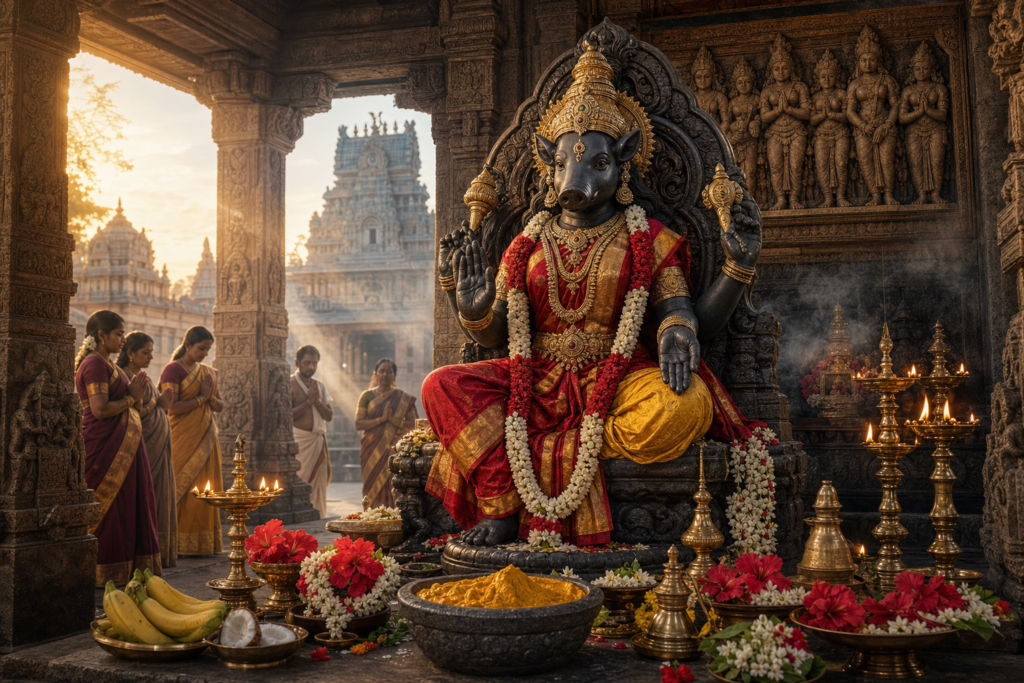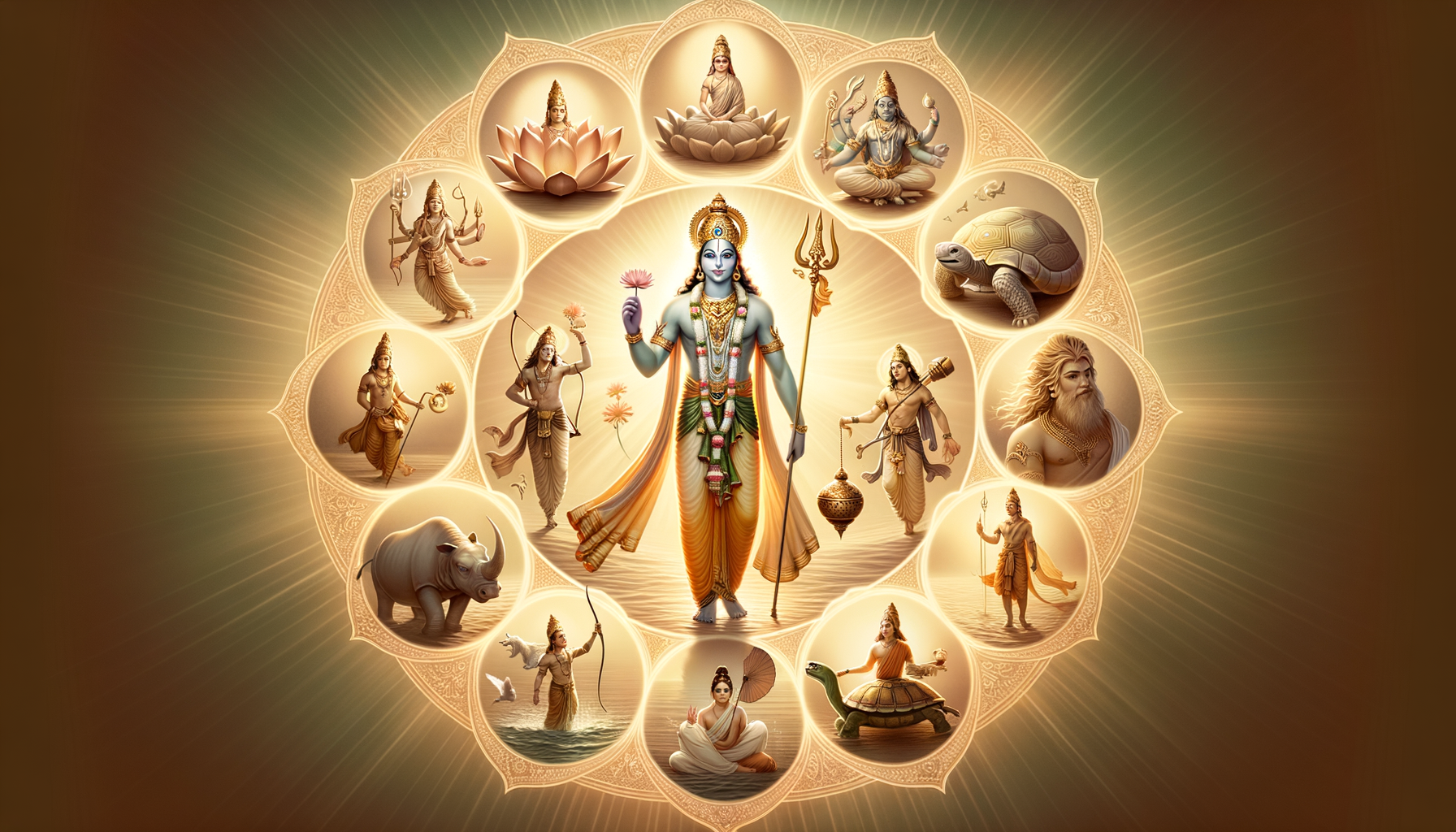
Dashavatara Moorthy is an honorific that denotes Lord Vishnu as the divine preserver who appears in ten principal incarnations to restore cosmic order. In the Hindu scriptures and Puranas, these avatars embody the protection of Dharma and the compassionate safeguarding of all beings, presenting a systematic theology within Vaishnavism that links divine intervention to ethical renewal.
According to tradition, nine of the ten avatars have already manifested, while the remaining incarnationKalkiwill appear at the end of the present age to reestablish righteousness. This progression from primordial forms to historical personages illustrates how Vishnu’s avatars meet humanity at different moments of moral crisis, guiding society back toward balance and justice.
Beyond theology, the Dashavatara narratives function as ethical frameworks. Each avatar addresses a distinct challengefrom safeguarding life during cataclysmic upheavals to confronting tyranny and moral decaydemonstrating that righteous action (Dharma) is both situational and universal. Many devotees describe how childhood retellings of Rama and Krishna kindled a lifelong commitment to truth, courage, and compassion, showing the enduring relevance of these stories for contemporary life.
The spiritual ideals embedded in the ten incarnations resonate across dharmic traditions. Themes such as the protection of life, restoration of harmony, and compassionate service align with the broader ethos of Hinduism, Buddhism, Jainism, and Sikhism, where ethical conduct, inner discipline, and social responsibility are celebrated. Emphasizing these shared values fosters unity in diversity, encouraging communities to honor varied paths while recognizing their common pursuit of wisdom and well-being.
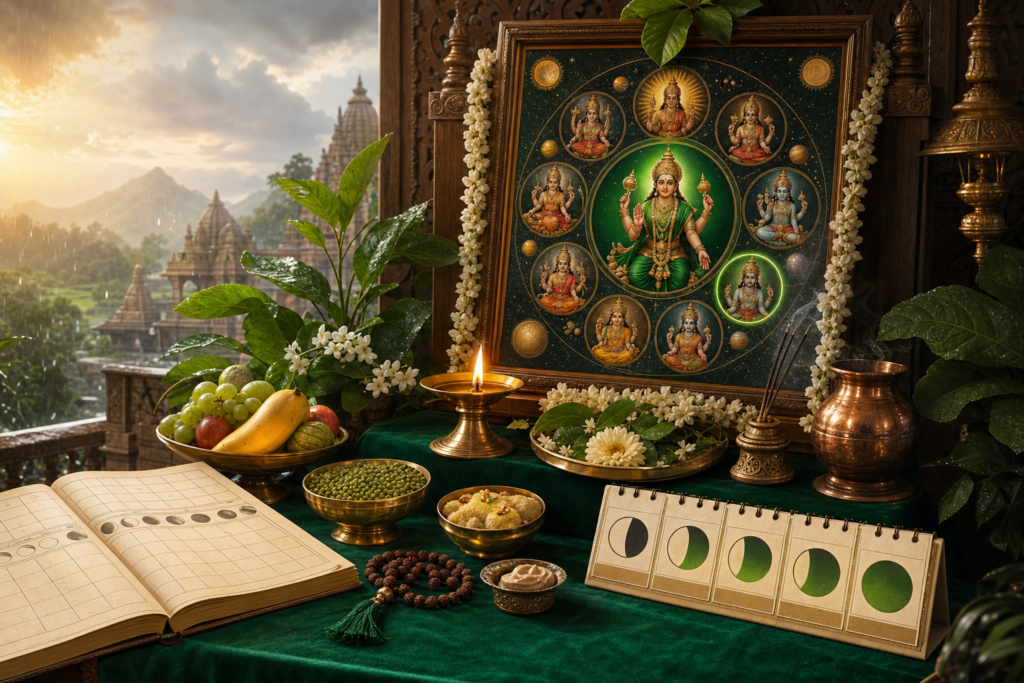
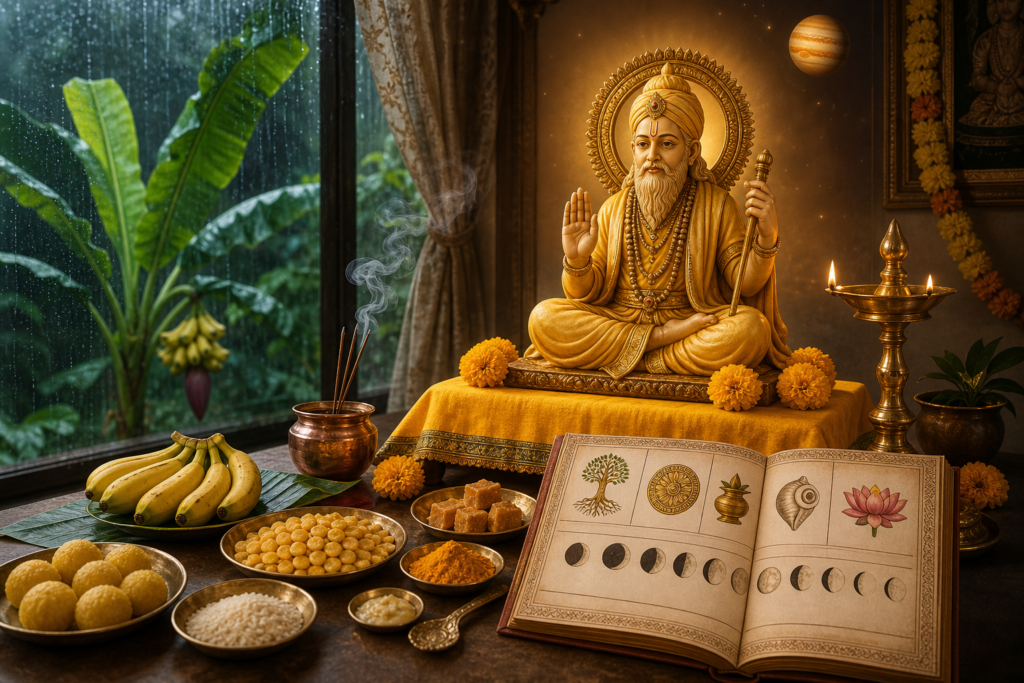
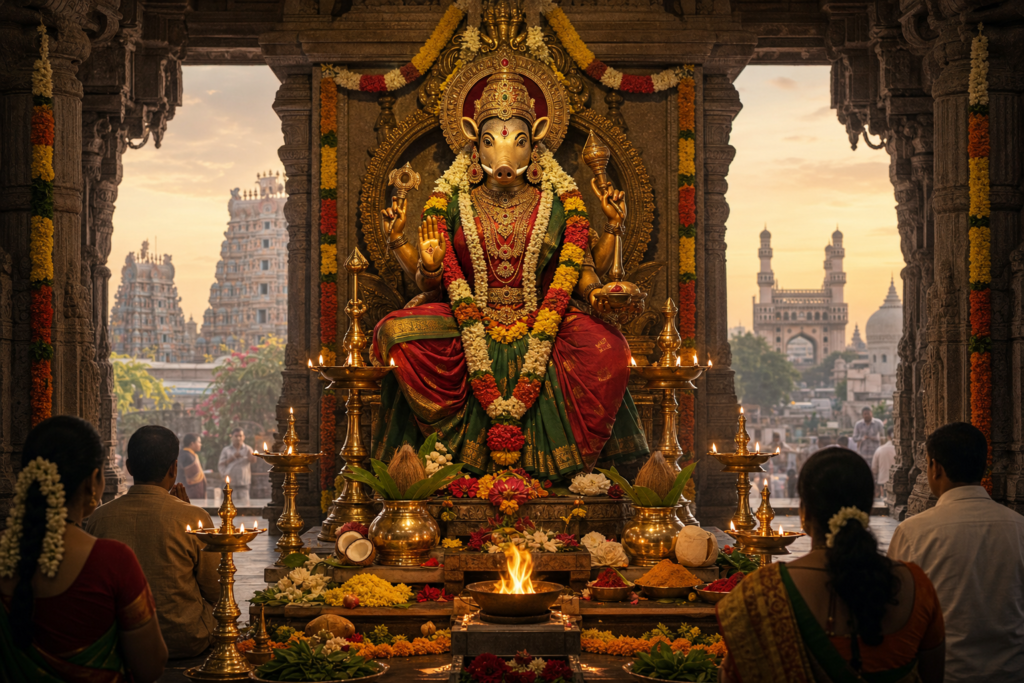
Dashavatara devotion finds expression in temple iconography, classical arts, festival observances, and recitations from Hindu scriptures. These practices cultivate communal cohesion and personal reflection, inviting individuals to contemplate how divine virtues translate into everyday choices. In this way, the avatars of Lord Vishnu serve not only as mythic exemplars but also as living touchstones for moral clarity.
Ultimately, the vision of Dashavatara Moorthy offers a timeless call to Dharma. By illuminating how divine grace engages with human history, it inspires resilience, hope, and responsible action. Read through this lens, the ten incarnations of Lord Vishnu become a unifying symbol for dharmic cultures, guiding collective life toward justice, compassion, and spiritual insight.
Inspired by this post on Hindu Pad.