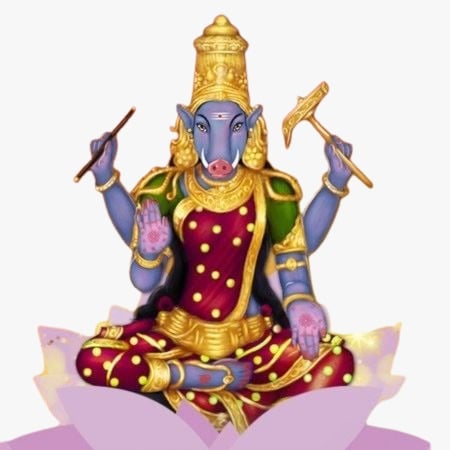
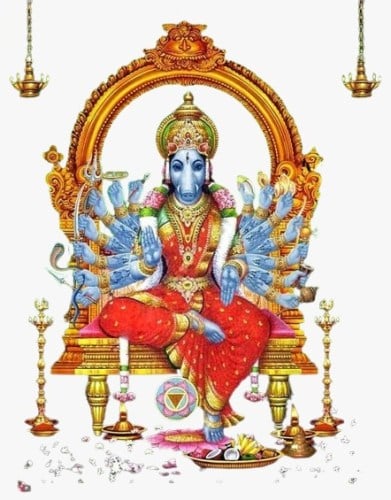
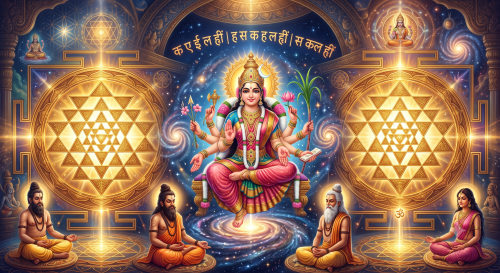
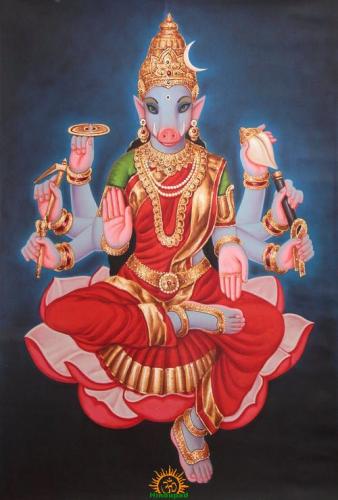
Dakshineshwari Stuthi venerates Ma Dakshineshwari Mata as an aspect of Ma Shakti Devi and as the consort of Lord Dakshinamurthy, the serene Guru form of Lord Shiva. In sacred lore, she is revered as the supreme female ascetic (Sanyasini), foremost among all Sanyasinis, embodying steadfast renunciation, luminous wisdom, and compassionate protection. This hymn situates the devotee within the living tradition of Shakti–Shiva unity, where divine knowledge (jnana) and divine energy (shakti) converge.
The invocation SRI GURU MATA DAKSHINESHWARI DEVI STUTHI frames the stotra as both praise and practicean offering of devotion that refines understanding. Within the broader tapestry of Hindu scriptures and stotras, the Dakshineshwari Stuthi highlights the Sacred Feminine as Guru, honoring Shakti not only as cosmic power but also as compassionate guidance aligned with the silent teaching of Lord Dakshinamurthy.
Across dharmic traditions, the ideals reflected hereinner stillness, non-attachment, compassion, and truth-seekingresonate deeply. The Sanyasini ideal that Dakshineshwari embodies harmonizes with the ethical and contemplative aspirations found in Hinduism, Buddhism, Jainism, and Sikhism. This shared spiritual grammar affirms unity in diversity while honoring distinct paths and practices.
MANTRA Om Ma […]
Traditions preserve the mantra opening as “Om Ma …,” with specific readings varying across lineages and paramparas. Devotees often approach the stuthi with a simple sadhana: a brief period of breath awareness, a clear sankalpa (intent), and measured recitationsuch as 11, 27, or 108 repetitionsoffered with bhakti. Where appropriate, Panchopachara offerings (gandha, pushpa, dhupa, deepa, naivedya) may accompany the recitation, aligning body, speech, and mind with the hymn’s contemplative core.
Practitioners describe steadying benefits: heightened clarity of mind, a deepened sense of protection, and an easeful absorption in meditation. Observances during auspicious periodssuch as Mondays dedicated to Shiva, Navaratri honoring Shakti, or Guru Purnima celebrating the Guru principleare commonly chosen to intensify focus. Within this devotional frame, Dakshineshwari is approached as both compassionate Mother and guiding Guru, harmonizing devotion (bhakti) with knowledge (jnana).
Philosophically, the stuthi illuminates the inseparability of Shiva as the Supreme Guru and Shakti as the enlightened Sanyasinitwo facets of one reality. It encourages seekers to cultivate inner silence, discernment, and a gentle strength that benefits personal practice and communal harmony. In honoring Ma Dakshineshwari, the hymn invites a spirit of inclusivity: diverse methods of worship are respected, and the shared quest for truth is celebrated across dharmic paths.
By situating Dakshineshwari Stuthi within the living current of Sanatana Dharma and allied dharmic traditions, this presentation underscores its contemporary relevance: a disciplined, compassionate, and unifying practice that refines the heart, clarifies the intellect, and supports peaceful coexistence rooted in spiritual wisdom.
Inspired by this post on Hindu Pad.