The latest USCIRF report has prompted strong pushback in New Delhi, with Vishwa Hindu Parishad (VHP) alleging methodological bias and an intent to malign the Hindu majority and the BJP government. The response argues that the report distorts the minority rights landscape in India by extrapolating isolated incidents into sweeping judgments on systemic discrimination. The debate, now prominent in policy and media circles, has revived broader questions about religious freedom, interfaith harmony, and how to fairly assess India’s complex, plural social fabric.
VHP’s contention centers on four claims: first, that the USCIRF report undervalues India’s constitutional framework protecting religious freedom; second, that it privileges external indices over domestic legal and institutional checks; third, that it conflates political contestation with societal intolerance; and fourth, that it frames the status of “minorities” without adequate attention to India’s diverse regional histories and jurisprudence. In this telling, the report’s characterization of India risks flattening nuance and misreading the country’s rights architecture.
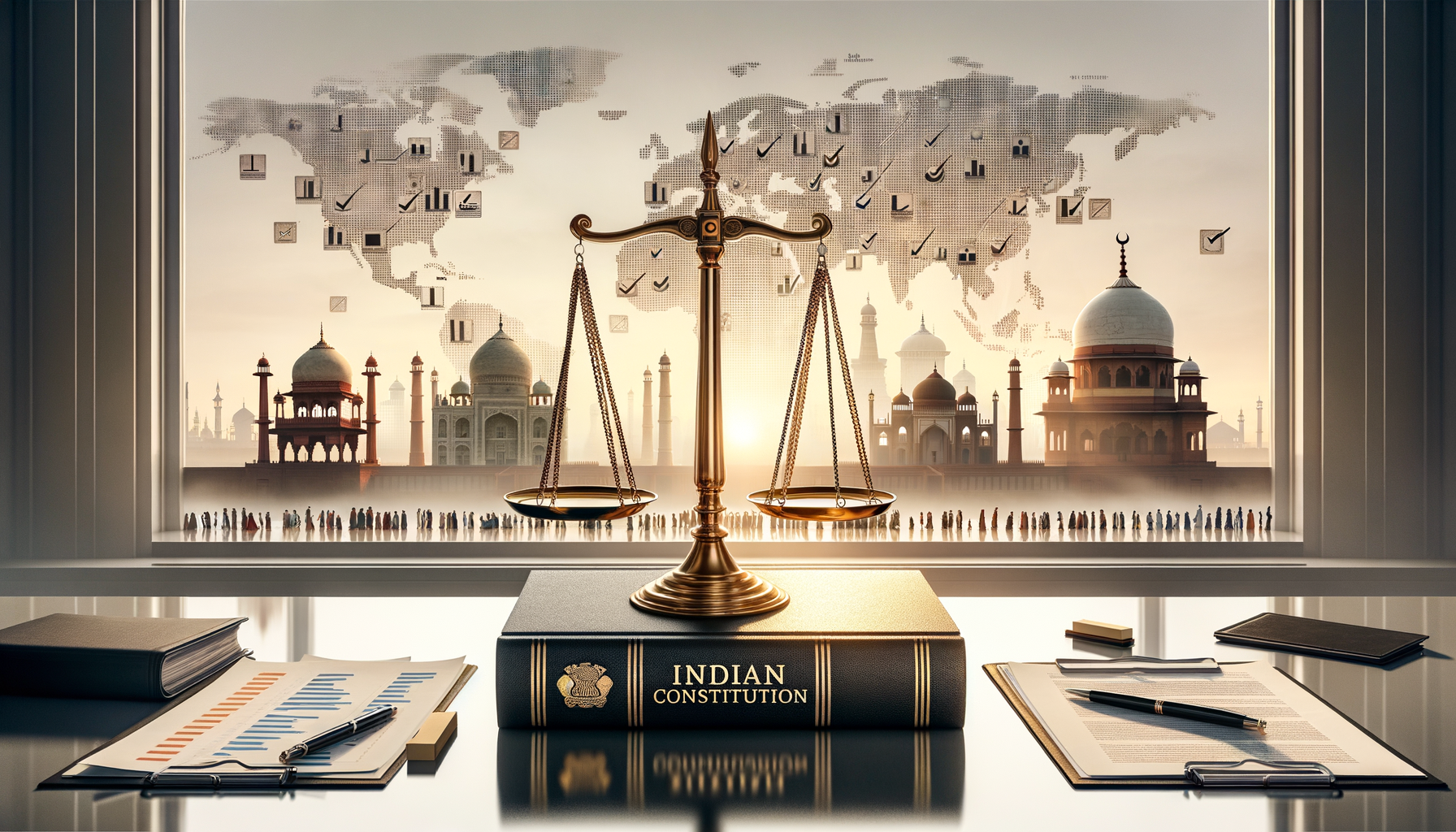
India’s constitutional safeguardsparticularly Articles 25–30provide robust protections for freedom of conscience, free profession and practice of religion, and the rights of religious and linguistic minorities, including special protections for minority educational institutions under Article 30. Institutions such as the National Commission for Minorities and the higher judiciary serve as additional oversight mechanisms. Jurisprudence over decades has sought to balance group rights and individual freedoms, often reinforcing that secular governance must accommodate religious plurality without privileging or penalizing any faith.
Assessing “religious freedom” in a nation as large and diverse as India requires both methodological transparency and contextual sensitivity. Successive Indian governments have disputed USCIRF’s categorizations on grounds of sovereignty and evidentiary scope, noting that comparative indices can overgeneralize from selective data. A constructive path forward would involve replicable metrics, disaggregated datasets, and engagement with a broad spectrum of Indian scholars, dharmic community leaders, civil society monitors, and minority representatives to triangulate findings.
Dharma-based traditionsHinduism, Buddhism, Jainism, and Sikhismhave historically coexisted across shared cultural spaces, enshrining pluralism, debate, and non-coercive pathways to spiritual realization. This civilizational inheritance has everyday expressions: gurdwaras serving langar to all without distinction; Buddhist viharas open to quiet contemplation; Jain institutions sustaining compassionate service; and Hindu festivals where neighbors of varied faiths participate in collective celebration. These lived practices form an essential backdrop for any assessment of India’s minority rights record.
For many communities, interfaith harmony is not an abstract aspiration but a familiar reality. Neighborhoods often mark each other’s holy days, schools host inclusive cultural programs, and local committees mediate disagreements through dialogue. Such experiences, though not a substitute for data, offer qualitative insight into how dharmic pluralism shapes social resilience. They also underscore why precise language and careful comparisons matter when international reports evaluate complex societies.
A forward-looking approach can reduce friction while strengthening accountability: periodic, publicly accessible white papers on religious freedom indicators; community-led audits of grievance redressal; capacity-building for law enforcement on non-discrimination standards; and structured interfaith dialogue platforms at district and state levels. If paired with transparent, peer-reviewed research methods, these steps would improve trust, refine policy, and signal a shared commitment to minority protections consistent with India’s Constitution.
Responsible discourse is equally vital. Overbroad generalizations can inflame tensions, while selective citation may obscure progress. International bodies benefit from engaging India’s diverse dharmic scholars and rights practitioners; domestic stakeholders, including VHP and other civil society groups, strengthen credibility by articulating critiques in bridge-building terms and offering evidence-based alternatives. Interfaith Dialogue advances most when critique and humility travel together.
The present controversy ultimately reflects a deeper, ongoing conversation about how to evaluate plural societies fairly. India’s constitutional design and dharmic ethos call for equal dignity, religious freedom, and unity in diversity. Sustaining that promise demands rigorous data, principled debate, and empathy across communities. By centering dharmic unity and constitutional safeguards, the discussion can move beyond contestation toward collaborative solutions that protect every individual’s right to worshipand to livein freedom and peace.
Inspired by this post on Struggle for Hindu Existence.