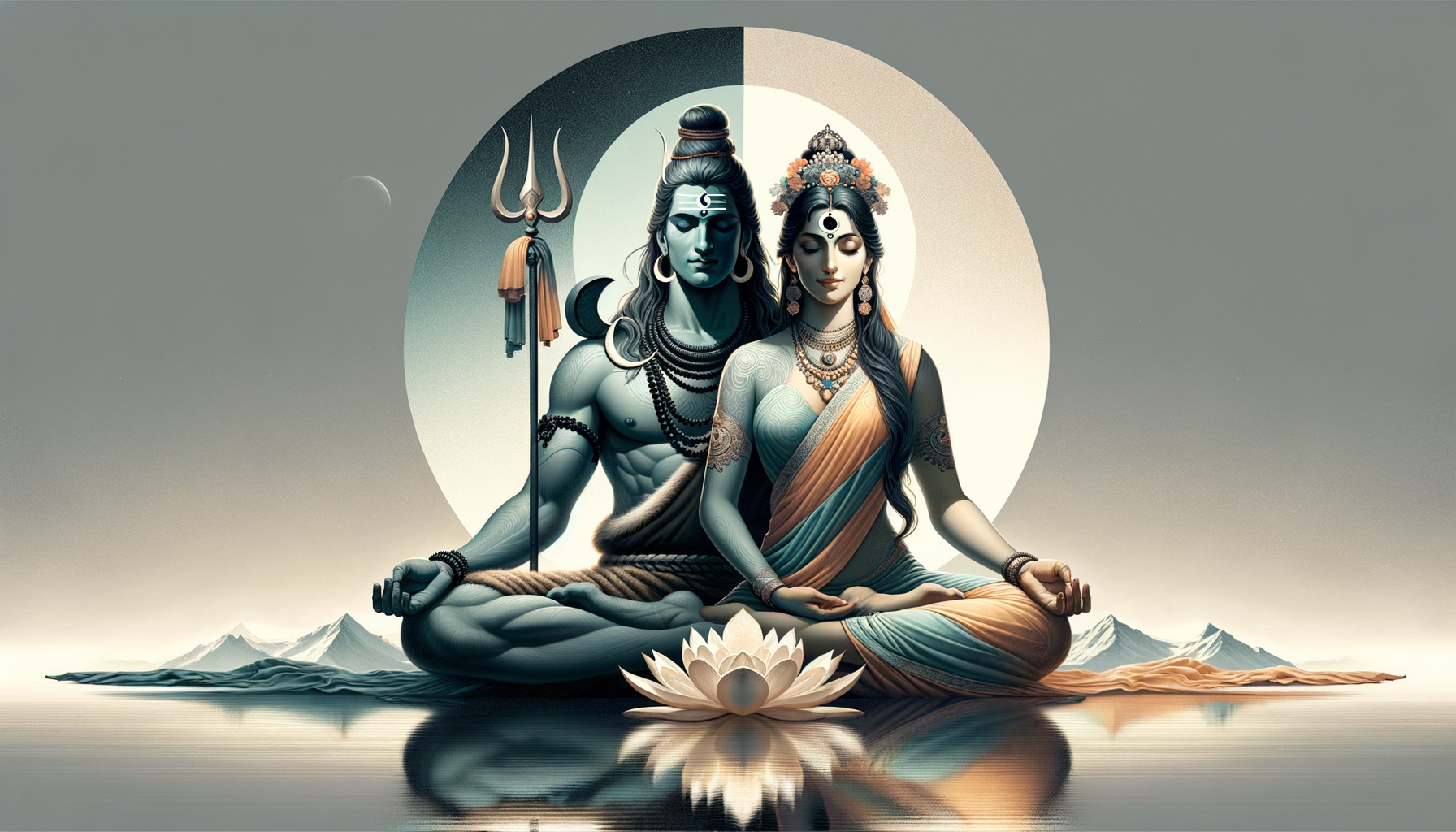
The eternal narrative of Shiva and Goddess Parvati offers a lucid archetype for understanding balance in Eastern philosophy, akin to the familiar language of yin and yang. Their divine relationship symbolizes complementary oppositesstillness and movement, awareness and energywhose dynamic interplay sustains harmony in the cosmos and in human life. This vision resonates across dharmic traditions, making the pair a potent metaphor for unity, equilibrium, and integrative wisdom.
Shiva embodies stillness, spacious awareness, and the silent ground of being; Parvati, as Shakti, embodies vitality, creativity, and the pulse of becoming. Their union is not a binary contest but a relational wholeness, expressed in the profound image of Ardhanarishvara. In this synthesis, each principle completes, tempers, and dignifies the other, revealing a philosophical harmony where difference is held within non-duality.
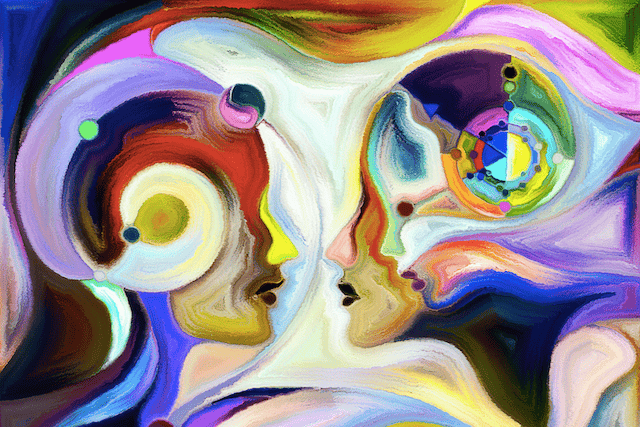
The yin–yang parallel clarifies this insight: within each pole rests the seed of its complement. What appears as dark contains light; what appears as light carries the wisdom of shadow. In the same way, Shiva and Parvati exemplify interdependence over separation. The result is a refined model of balance that informs both the metaphysics and ethics of Eastern thought.
Across dharmic traditions, this framework surfaces in distinct yet convergent ways. In Buddhism, the Middle Way and the insight into interdependent origination cultivate a balance that avoids extremes. In Jainism, Anekantavada honors many-sided truth, encouraging humility and a reconciliatory approach to difference. In Sikhism, the integration of miri and piri, and the cultivation of sehaj, reflect equilibrium between temporal responsibility and spiritual depth. Together, these perspectives affirm unity in spiritual diversity without erasing the richness of each path.
Everyday experience brings these archetypes close to home. People often notice that clarity emerges when breath alternates between steady inhalation and unforced exhalation, when work is balanced by rest, and when speech is guided by attentive listening. The Shiva–Parvati paradigm renders such moments intelligible: awareness steadies energy; energy gives purpose to awareness. In this rhythm, balance becomes a lived, embodied philosophy.
In relationships and communities, this archetype invites strength without rigidity and compassion without indulgence. Firm boundaries, guided by empathy, foster trust; courageous action, tempered by humility, builds cohesion. The divine pair thus functions as a socially relevant template for harmonyone that supports coexistence, dialogue, and shared responsibility across plural communities.
Practical disciplines across the dharmic spectrum nurture this balance. Mindfulness and dhyana refine awareness; pranayama and ethical observances align energy; seva and ahimsa channel vitality toward collective well-being. Whether articulated as sattva guiding rajas and tamas, as the Middle Way in practice, or as many-sided discernment in discourse, the abiding lesson remains: equilibrium is cultivated through intentional, compassionate action.
Iconography reinforces the teaching. Ardhanarishvara portrays masculine and feminine not as rivals but as interwoven dimensions of a single reality. The tandem of Tandava and Lasyacosmic vigor and graceful reposeillustrates how creation, maintenance, and transformation arise from coordinated balance. Far from a gendered hierarchy, this symbolism points to an integrative wholeness that honors all beings.
This understanding resists divisive readings. The vision does not privilege one path or principle over another; instead, it highlights mutual co-arising and shared purpose. By foregrounding complementarity, the Shiva–Parvati archetype supports unity among Hinduism, Buddhism, Jainism, and Sikhism, encouraging respect, collaboration, and philosophical openness.
In an era of rapid change, the archetype offers a steady compass. It invites individuals and communities to cultivate inner equilibrium, ethical clarity, and relational wisdom. Rooted in Eastern philosophy yet universally resonant, the eternal dance of Shiva and Parvati serves as a timeless guide to living with balance, courage, and grace.
Inspired by this post on Hindu Blog.