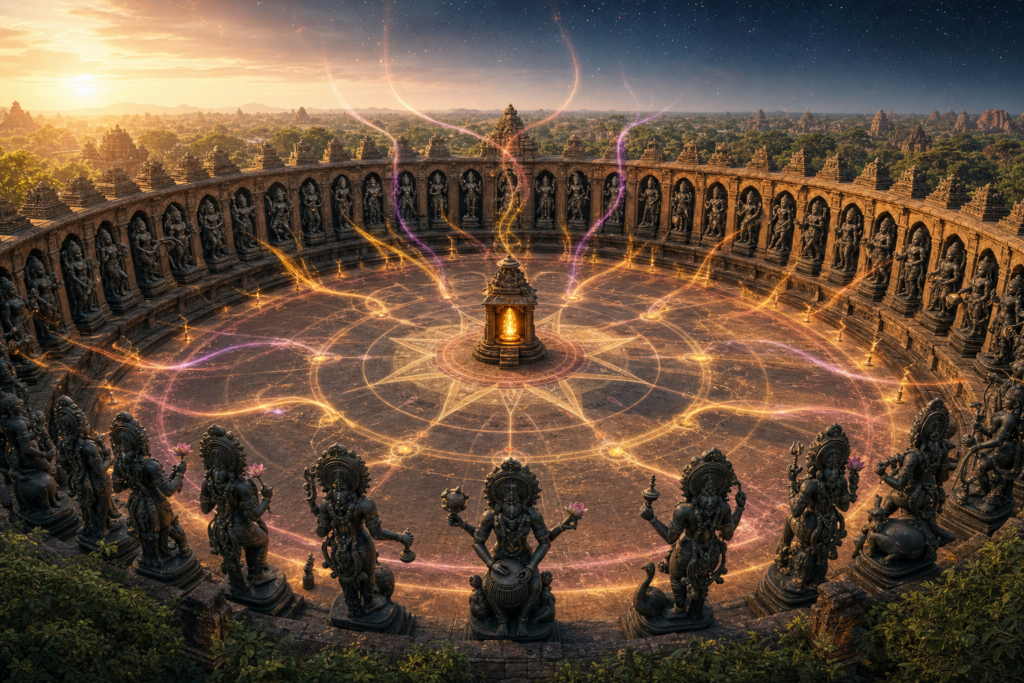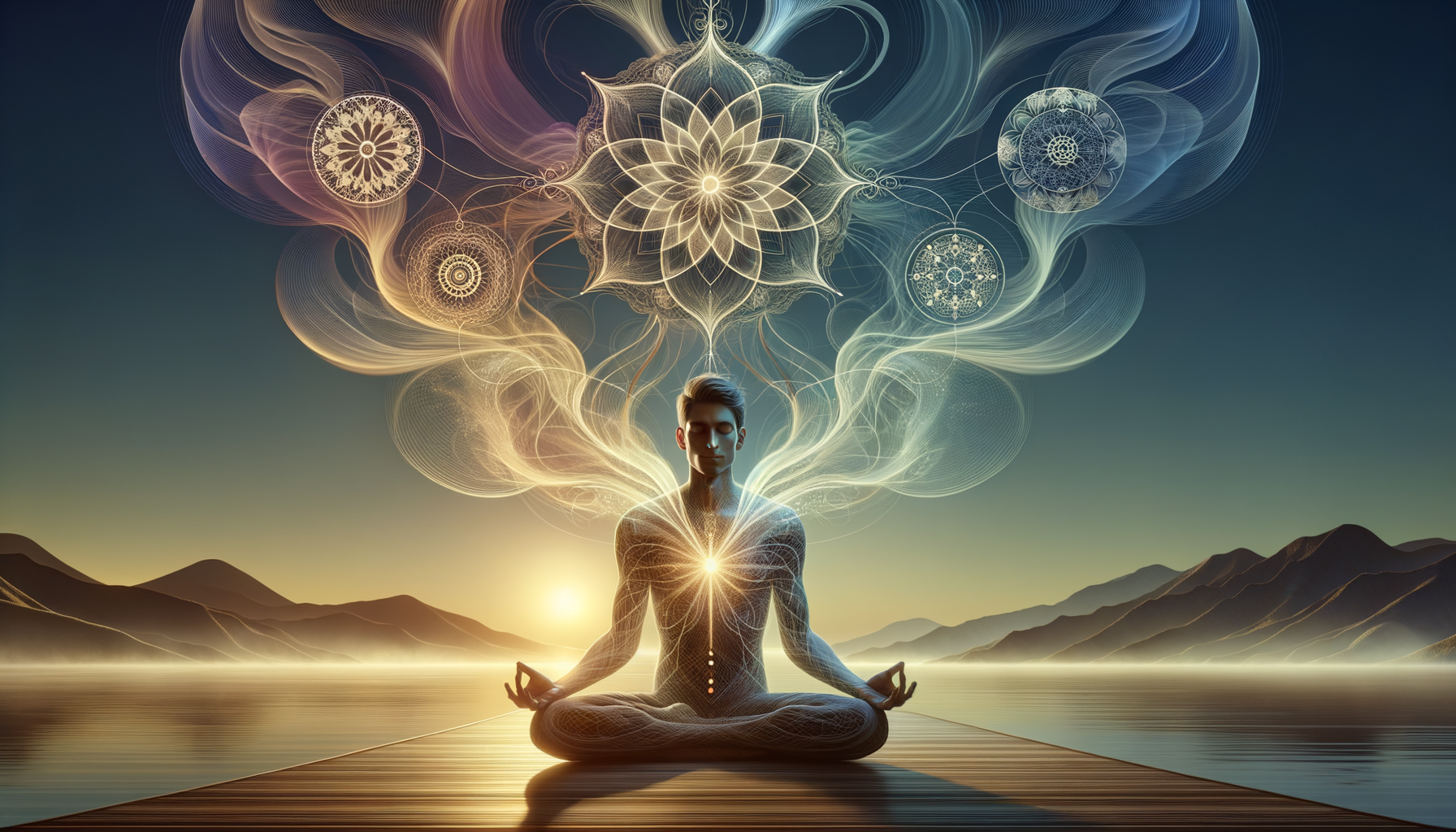
In Hindu philosophy, Kashaya denotes the mental impurities and emotional disturbances that obstruct spiritual evolution. The term encompasses tendencies such as raga (attachment), dvesha (aversion), moha (delusion), krodha (anger), mada (pride), and matsarya (envy). Rooted in avidya (fundamental ignorance), these afflictions are discussed across Vedanta, Yoga, and Jain philosophy, and resonate with related concepts in Buddhism (kleshas) and Sikh thought (haumai). Understanding Kashaya is not merely theoretical; it is central to practical sadhana and inner transformation.
Kashaya operates as a subtle current within samskaras and vasanas, shaping perception, intention, and action. When these latent impressions remain unexamined, they solidify into habitual patterns that cloud discernment (viveka) and displace equanimity (samatva). Recognizing Kashaya therefore becomes a crucial first step toward clarity, compassion, and stable attentionqualities indispensable for meditation, devotion, and ethical living.
In the arc of spiritual growth, encountering Kashaya is inevitable; transforming it is optional but decisive. Hindu philosophy treats these mental impurities as workable material rather than permanent flaws. When approached with awareness and discipline, the very forces that bind can be transmuted into insight and strength. This reframing aligns with the dharmic ethos shared across Hinduism, Buddhism, Jainism, and Sikhism: progress emerges through self-knowledge, ethical action, and contemplative depth.
Practical discernment begins with attentive observation. Mindfulness of breath and thought-flow helps detect subtle surges of irritation, craving, or fear before they crystalize into speech or action. Ethical self-auditsgently reviewing the day’s intentions and outcomesreveal where Kashaya arose, what triggered it, and how it can be addressed with patience, forgiveness, and renewed resolve. Over time, conscious recognition weakens the grip of reactive patterns.
Vedanta emphasizes viveka (discrimination) and vichara (self-inquiry) to dissolve avidya, aided by shravana–manana–nididhyasana (listening, reflection, deep contemplation). In Yoga, the eightfold path (yama, niyama, asana, pranayama, pratyahara, dharana, dhyana, samadhi) systematically purifies the mind; yama and niyama in particular counteract Kashaya through satya, ahimsa, and aparigraha. Jain philosophy offers rigorous tools such as samayik (equanimity practice), pratikraman (introspective repentance), and the 12 bhavana (contemplations), all of which refine conduct and perception in the direction of non-violence and restraint. Parallel currents in Buddhism (mindfulness, insight into kleshas) and Sikh practice (simran, seva overcoming haumai) reinforce the shared dharmic vision of inner purification.
Many seekers recognize familiar scenes: a flash of resentment derails a meditation, a harsh word lingers long after a conversation ends, or a wave of anxiety tightens the breath. Hindu philosophy reframes such moments as invitations to practice. A short pause, a few conscious breaths, a remembered mantra, or a shift to compassion can halt the escalation. Returning to a stable focal pointjapa, breath, or a verse from the Upanishadsrestores attention and weakens the underlying Kashaya.
Transcending Kashaya does not imply suppression. It involves transforming reactivity into insight by meeting each impulse with awareness and ethical clarity. Contemporary psychological perspectives converge with these dharmic methods: naming an emotion, allowing its presence without fusion, and choosing value-aligned action fosters resilience and well-being. Over time, such integrated practice reduces the frequency and intensity of disturbances, allowing intuitive wisdom to guide choices.
The fruit of this work is tangiblesustained mental clarity, emotional balance, and a broader, kinder outlook. As Kashaya recedes, compassion deepens, concentration stabilizes, and the sense of separateness softens. These shifts support progress toward moksha (liberation), while strengthening unity among dharmic traditions through shared commitments to mindfulness, ethics, and contemplative insight. In this way, understanding and transcending Kashaya becomes a unifying pathway that uplifts individual seekers and the wider spiritual community.
Inspired by this post on Hindu Blog.