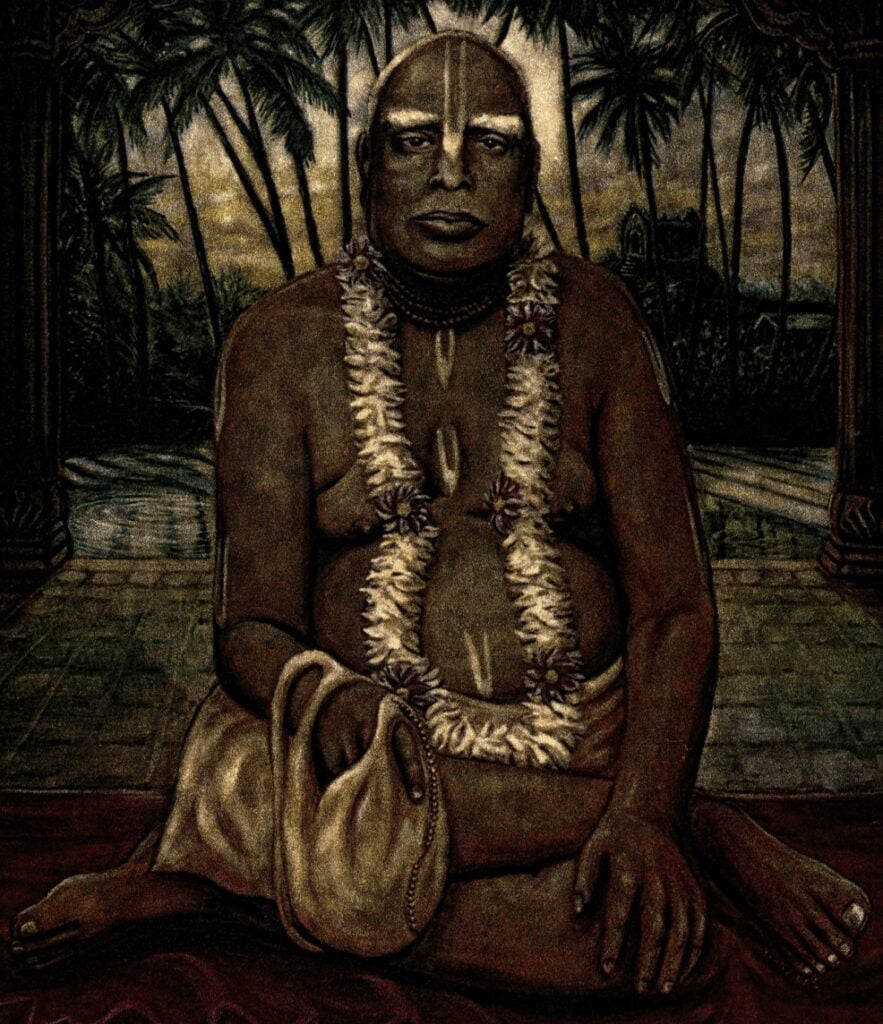
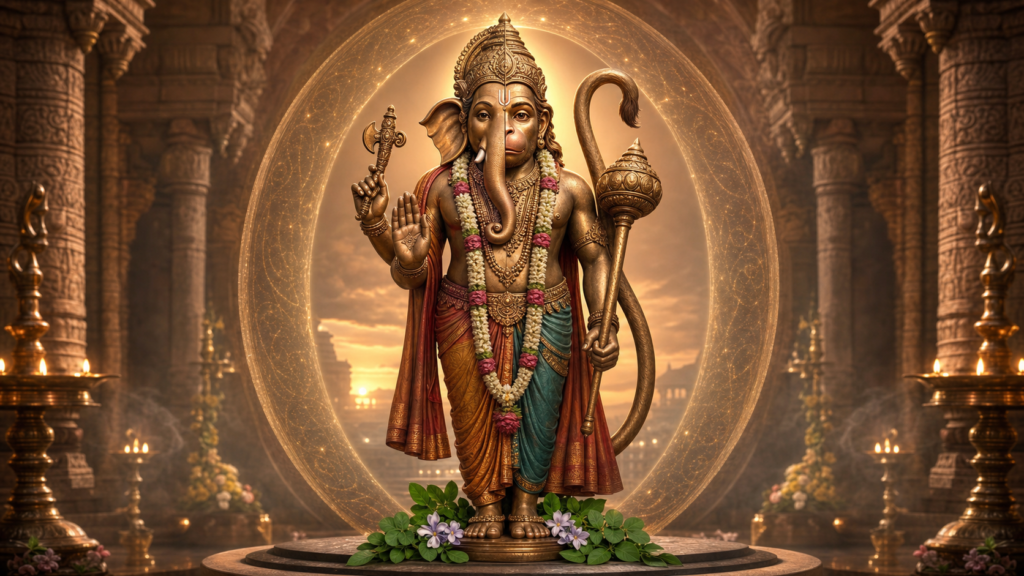
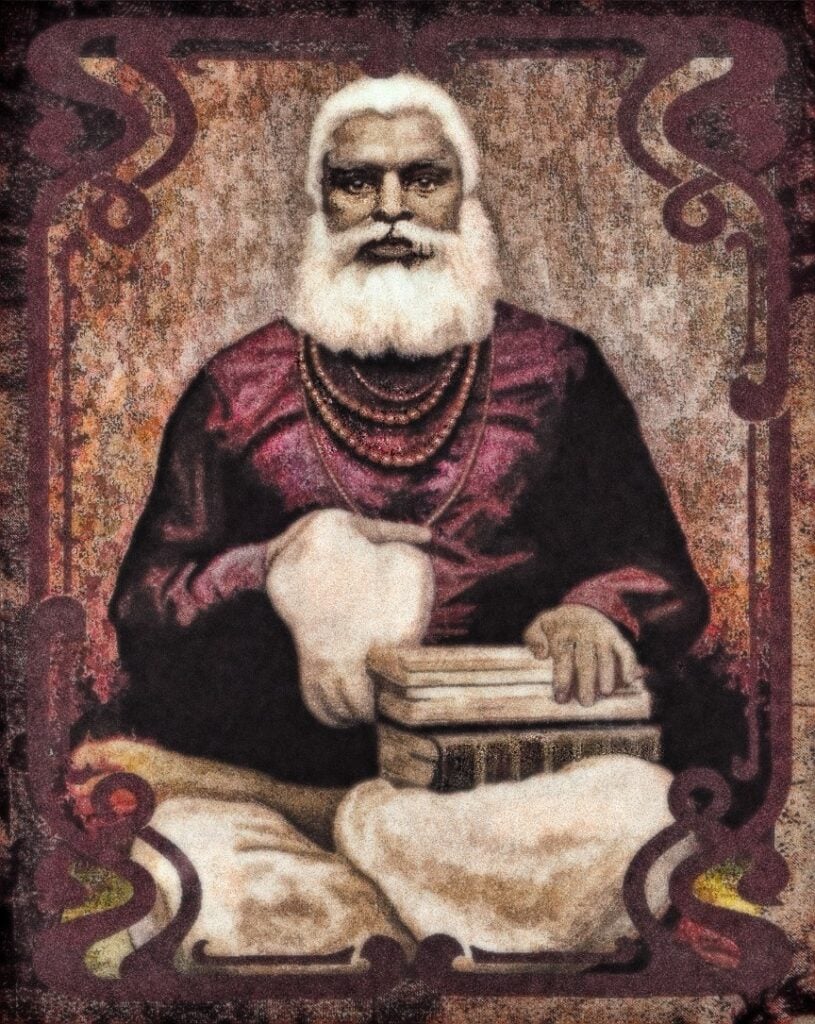
Sri Hanuman Das is remembered in devotional memory as a Hindu saint and Sanskrit poet from Uttar Pradesh, renowned for unwavering devotion to Lord Rama and Lord Hanuman. Tradition records his birth name as Ramachandra and suggests a later ascetic name, Hanuman Das, that signaled total surrender to the bhakti ideal of sevā (selfless service) and nāma-japa (holy-name recitation). While a 1st-century CE date is sometimes associated with him, the current state of evidence places such a chronology in the realm of regional lore rather than epigraphically or philologically verified history. Even with this caveat, the persona of Sri Hanuman Das has continued to inspire practitioners across North India, where the Ramayana, akhanda kirtan, and Hanuman worship occupy a central place in the landscape of Hindu spirituality.
Situating Sri Hanuman Das in the longue durée of the Bhakti Tradition requires careful historical framing. The Ramayanaan epic core to Hindu Dharmahas ancient roots; however, the epigraphic and iconographic prominence of Hanuman in particular grows perceptibly during the Gupta and post-Gupta centuries (approximately 4th–7th centuries CE). Against that backdrop, attributing a 1st-century CE date to a Rama–Hanuman poet would be unusually early. Accordingly, the most responsible approach is to treat his timeline as a hagiographic attribution reflecting the community’s desire to situate an exemplar of devotion at the earliest horizon of bhakti. This caution does not diminish the spiritual significance ascribed to Sri Hanuman Das; rather, it clarifies the distinction between devotional memory and critical historiography.
Accounts place Sri Hanuman Das’s origins in a village in Uttar Pradesh, a region intrinsically tied to Lord Rama through Ayodhya and to an enduring culture of Sanskrit recitation, pilgrimage, and temple ritual. The adopted name “Hanuman Das” embodies a theological and ethical archetype: the devotee who models dāsya-bhaktihumble, unwavering servicemirroring Hanuman’s exemplary fidelity to Sri Rama in the Ramayana narrative. Within this devotional ecology, the daily disciplines of mantra-japa, scriptural recitation, and service to pilgrims would have formed the matrix of both personal practice and literary inspiration.
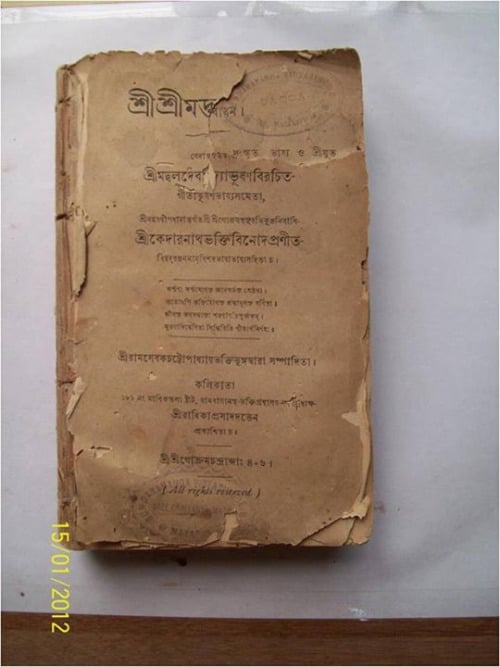
Texts attributed to Sri Hanuman Das are described in oral and local written traditions as Sanskrit hymns (stotra), eulogies (stava), and devotional verses (bhakti-kāvya) in praise of Lord Rama and Lord Hanuman. At present, these attributions remain difficult to verify through modern critical editions or comprehensive manuscript catalogs, a challenge that is not uncommon for saints preserved primarily through regional hagiography. The thematic profile reported for such works is deeply familiar to the Sanskrit devotional canon: invocation of Rama as maryādā-puruṣottama and world-upholding dharma, praise of Hanuman as the paragon of courage (vīrya) and selfless loyalty, and repeated glorification of the divine name (nāma-mahima) as the surest means to spiritual transformation.
From the perspective of Sanskrit Literature, the poetics of such devotional compositions generally draw upon recognizable meters (e.g., anuṣṭubh, śārdūlavikrīḍita, mandākrāntā) and ornamentation (alaṅkāra) such as anaphora, yamaka (echoing), upamā (simile), and rūpaka (metaphor). In Rama–Hanuman hymnody, alliterative clusters and phonetic patterns often foreground the potency of the sacred nameRāma, Raghunātha, Hanumānwhile rhythmic cadences are shaped to support congregational recitation. Whether or not specific meters can be proven for Sri Hanuman Das’s corpus, the literary ecology in which he is remembered clearly valorizes these formal features as vehicles for contemplative attention and affective immersion.
Theologically, the devotional arc associated with Sri Hanuman Das interweaves dharma, grace (anugraha), and surrender (śaraṇāgati). Lord Rama embodies the harmonization of kingship and righteousness, ethics and empathy; Lord Hanuman epitomizes the union of śakti (strength) and bhakti (love). Read through the lens of rasa theory, the devotional experience oscillates between vīra (heroic), adbhuta (wonder), and śānta (tranquil) sentimentseach cultivated by poetic structure and ritual performance. The coupling of idealized kingship (Rama) and idealized service (Hanuman) thus communicates a comprehensive vision of spiritual and social order, speaking simultaneously to the inner life and the civic imagination.
Ritually, the legacies linked to Sri Hanuman Das harmonize with practices familiar across North Indian Hinduism: recitation of Ramayana passages, collective kirtan, and especially Hanuman-centric observances tied to Tuesdays and Hanuman Jayanti. Although the famous Hanuman Chalisa of Tulsidas belongs to a later period, its vernacular popularity offers a valuable comparative lens for understanding how Sanskrit stotra traditions flow into broader public devotion. Public recitation, call-and-response patterns, and temple acoustics all contribute to the mnemonic power of hymnody, allowing saintly voiceswhether securely dated or notto animate collective memory and moral aspiration.
Uttar Pradesh’s ritual geography is essential to grasping this cultural transmission. Ayodhya centers the Ramayana’s sacred narrative; Varanasi (Kashi) preserves a vast Sanskritic learning tradition; and a constellation of smaller towns and villages nurture regional lineages (paramparā) of kirtan and stotra recitation. In this milieu, a figure like Sri Hanuman Das is less a solitary poet and more a node in a living network that binds household worship, temple ritual, and itinerant pedagogy. The durability of that network explains why names, stories, and hymns continue to circulate even when manuscripts are scarce or unevenly preserved.
Consistent with the spirit of unity among Dharmic traditions, the virtues exemplified in the memory of Sri Hanuman Dasdevotion, courage, truthfulness (satya), compassion (karuṇā), and service (sevā)resonate widely. In Jainism, disciplined ethics and steadfastness echo the bhakti emphasis on inner purification; in Buddhism, compassion and mindful recitation align with a path of inner transformation; in Sikhism, sevā and remembrance of the Divine Name (nām-simran) parallel the heart of dāsya-bhakti. Framed in this inclusive way, Sri Hanuman Das stands as a reminder that Dharmic paths, while diverse in theology and practice, converge on shared values that elevate individual character and social harmony.
For historical inquiry, the figure of Sri Hanuman Das highlights both the promise and the complexity of reconstructing early bhakti histories. A rigorous program would include: targeted searches in regional manuscript repositories, attention to colophons that mention “Hanuman Das” or “Ramachandra,” comparative metrical and stylistic analysis against dated stotra corpora, and scrutiny of local temple records and oral genealogies of reciters (pāṭhak). Philological cross-checking with inscriptions and early iconography can refine chronological hypotheses, while ethnographic work with living kirtan communities can clarify how textual memory is curated and transmitted.
Whether interpreted as a historical person or as a sanctified emblem of devotion, Sri Hanuman Das contributes meaningfully to the understanding of Hindu spirituality and Sanskrit literature. The devotional portrait attributed to himabsolute loyalty to Lord Rama, fearless love modeled on Lord Hanuman, and lyrical expression in Sanskritencapsulates an entire ideal of spiritual life that is at once contemplative and active. By reading such traditions sympathetically yet critically, it becomes possible to honor living faith, clarify historical questions, and reinforce the shared Dharmic commitment to truth, compassion, and unity.
Inspired by this post on Hindu Pad.