-
Inside BJP’s Power Shift: Hardline Hindutva, Regional Titans, and 2026 Governance

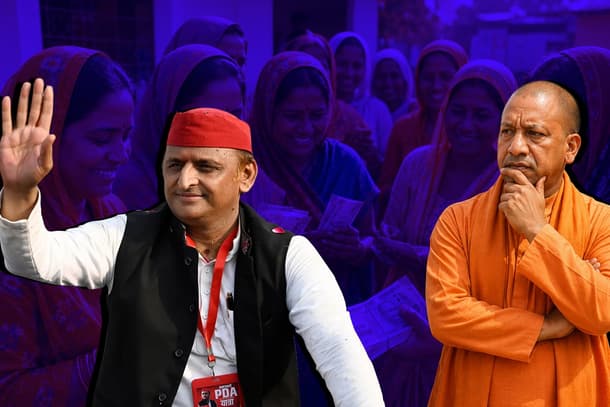
BJP’s leadership strategy now privileges regionally rooted figures aligned with a more assertive Hindutva program. This analysis explains the organizational logic behind that shift, the policy agenda it advances—UCC, anti-conversion statutes, law-and-order emphasis, and cultural heritage stewardship—and how delivery-oriented governance underpins the model. It assesses state-level prototypes in Uttar Pradesh, Assam, Gujarat, and Maharashtra while…
-
Mirzapur crackdown: UP invokes Gangster Act against 10 to safeguard safety, rule of law, harmony

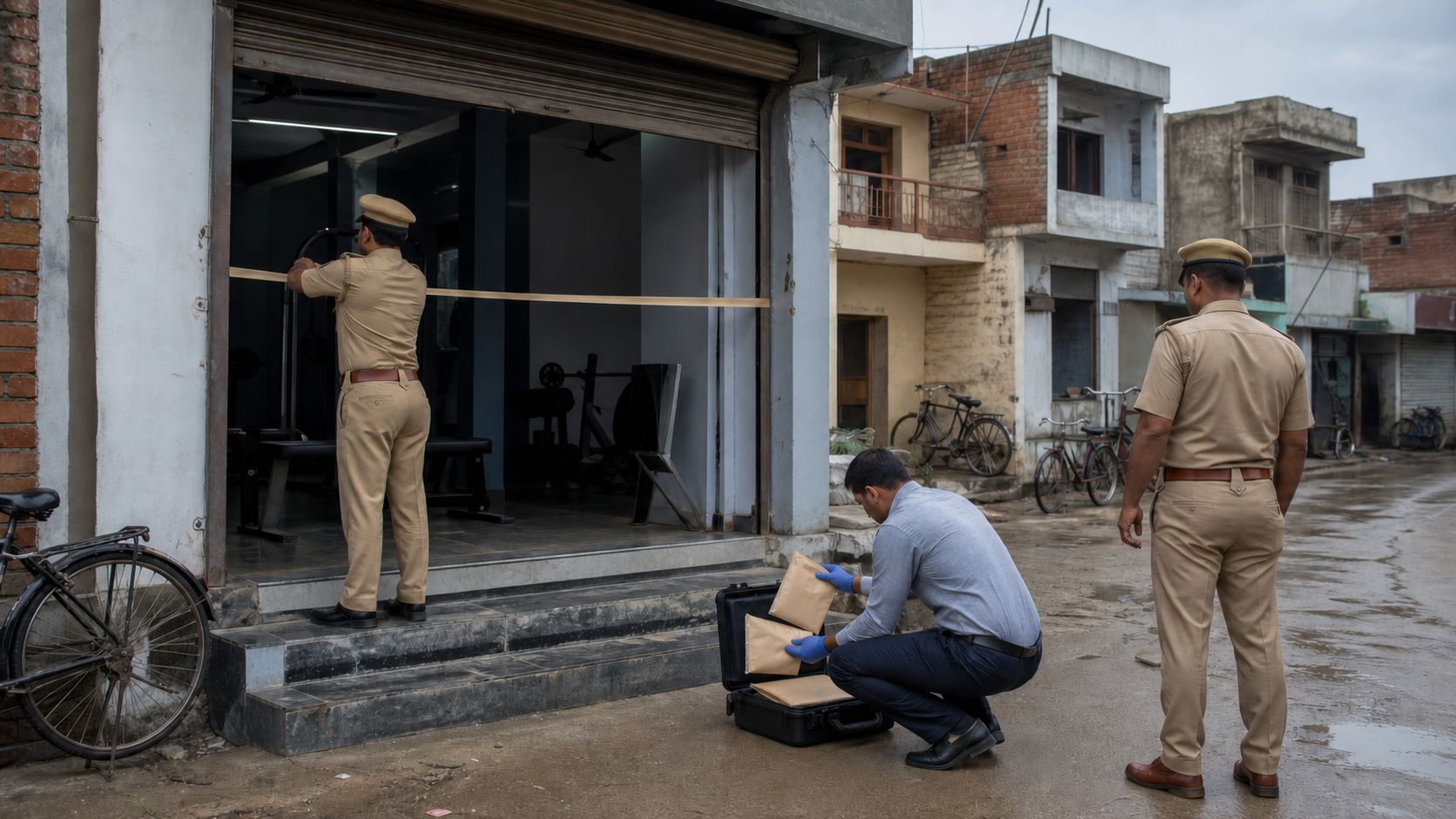
Uttar Pradesh has invoked the Gangster Act against ten individuals in Mirzapur after police inquiries into an alleged organized network linked to a local gym. Media references to a “Gym Jihad” episode highlight public anxiety, but the state’s operative frame is organized criminality and public order, not communal identity. The article explains how the UP…
-
Varanasi Vigilantism Allegations: Interfaith Rumors, Rule of Law, and Paths to Communal Harmony

Allegations of an assault in Varanasi over interfaith rumors highlight why vigilantism has no place in a constitutional democracy. This analysis explains the legal framework in Uttar Pradesh and India, including key Supreme Court judgments protecting adult autonomy and anti-lynching guidelines. It clarifies that the phrase “love jihad” lacks a legal definition and that only…
-
From ‘Fatwas’ to Vikas: Deoband as Yogi Adityanath’s Bridge to Western UP’s Unity and Growth

Deoband became a deliberate stage for reframing Western Uttar Pradesh’s political conversation from identity-first rhetoric to development-first delivery. The speech architecture—encapsulated in “No Fatwa- Only Development”—matched temple heritage with modern infrastructure, law-and-order confidence, and welfare saturation. The analysis details how connectivity (RRTS, expressways), MSME upgradation (sports goods, woodcraft), and human development (water, health, skilling) form…
-
Kada Dham’s Kaleshwar Mahadev: The Sacred Power and Symbolism of a Broken Shivling

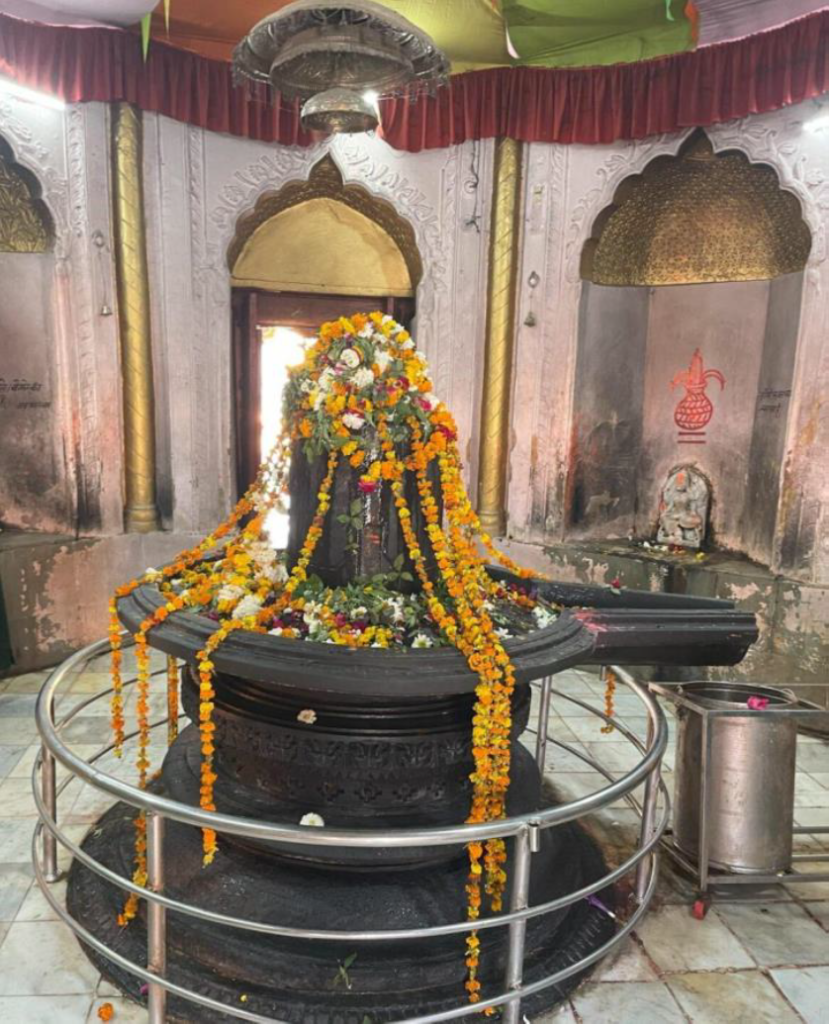
Kaleshwar Mahadev Temple at Kada Dham, Kaushambi (Uttar Pradesh) is renowned for the rare practice of venerating a broken Shivling, a tradition that blends local memory with śaiva ritual norms. The site’s sthala-purāṇa links the linga to Dharmaraja Yudhisthira during the Mahabharata’s Agyatavasa and to consecration with the Holy Ganga’s waters. While oral histories associate…
-
Naimisharanya Lalita Devi Shakti Peeth: Timeless Power, Textual Echoes, Living Devotion

Naimisharanya’s Lalita Devi Temple in Uttar Pradesh is revered in living practice as a Siddha Shakti Peeth, drawing thousands of devotees daily. A verse in the Devi Bhagavata—“Vārāṇasyāṁ Viśālākṣī Naimiśe Liṅga Dhāriṇī, Prayāge Lalitā Devī Kāmakā Gandha Mādanē…” —situates Naimisharanya within a sacred map that includes Kashi and Prayag. The temple’s theology harmonizes Shaiva and…
-
Gorakhpur’s Budhiya Mai Temple: 600 Years of Sacred Forest Devotion, Memory, and Living Heritage

Set amid the Kusmhi forest near Gorakhpur, the Budhiya Mai Temple is locally regarded as a Purvanchal heritage site with around six centuries of remembered devotion. This analysis situates the shrine within sacred ecology, showing how forest setting, ritual practice, and communal memory reinforce one another. Readers gain a careful account of the origin legend—an…
-
Banda ‘Ghar Wapsi’: Voluntary Homecoming, Vedic Rites, and India’s Religious Freedom

Local media from Banda (UP) reported a consensual Ghar Wapsi on 2 April 2026, where a Muslim family returned to the Hindu fold through Vedic rites. This analysis clarifies how India’s constitutional framework—especially Article 25—protects freedom of conscience while enabling states to curb conversions by force, fraud, or undue influence. It explains the pastoral and…
-
Bihar cleric’s arrest after remarks on Yogi Adityanath’s mother: law, free speech, and civility

A Bihar-based cleric’s arrest after remarks targeting the mother of Uttar Pradesh Chief Minister Yogi Adityanath, followed by a public apology, has reignited India’s debate over free speech, dignity, and public order. This analysis explains how Articles 19(1)(a) and 19(2) of the Constitution frame the balance between expression and legal limits. It outlines common penal…
-
UP SP leader’s arrest over Ram–Sita remarks: legal flashpoints, poll stakes, and dharmic harmony

A senior Samajwadi Party leader in Uttar Pradesh was arrested and expelled for derogatory remarks about Lord Ram and Sita, igniting a high-stakes political and legal confrontation as elections approach in UP and West Bengal. This analysis explains the applicable law (IPC 295A, 153A, 505(2)), the constitutional balance between free speech and public order, and…
-
Agra on Alert: Suspected Bovine Remains Spark Protests as Police Fortify Security, Appeals for Calm

Agra entered a period of heightened alert in March 2026 after suspected bovine remains were discovered, prompting protests and increased police deployment. This analysis explains what is known, what requires forensic confirmation, and why waiting for laboratory results is crucial. It outlines how species identification works—histology, DNA barcoding, and immunoassays—and why chain of custody and…
-
Viral Gau Raksha Video Sparks Outcry: Law, Ahimsa, and Communal Harmony Over Vigilantism

A viral Gau Raksha clip from Lucknow triggered public concern about communal tension, digital virality, and the boundary between legitimate advocacy and unlawful incitement. This analysis places the event within India’s constitutional and statutory framework, emphasizing that cow protection must operate entirely through due process. It shows how ahimsa, shared across Hinduism, Buddhism, Jainism, and…
-
Ayodhya–Pratapgarh–Prayagraj summits unite dharmic advocates to fortify legal protections

A coordinated set of legal summits in Ayodhya, Pratapgarh, and Prayagraj called advocates to unite around a rule-of-law strategy for protecting dharmic communities. The effort links Ayodhya’s cultural centrality with Prayagraj’s access to the Allahabad High Court and Pratapgarh’s district-level realities to form a scalable defense network. The framework centers on Articles 14, 19, 21,…
-
Lucknow attack on ex-Muslim YouTuber Saleem Vastik: swift police action, security lessons

A stabbing targeting ex-Muslim YouTuber Saleem Vastik in Lucknow has renewed focus on freedom of expression, targeted violence, and the standards governing police encounters in India. Initial reports indicate the two alleged assailants, Gulfam and Zeeshan, were later killed in an encounter, triggering both relief at the neutralization of an immediate threat and calls for…
-
Chaiti Chhath 2026: Definitive 4-Day Guide to Dates, Rituals, and Devotional Sunrise Offerings

Chaiti Chhath 2026 will be observed over four days—22 to 25 March—culminating in the Sandhya Arghya to the setting sun and the Usha Arghya at sunrise. Rooted in Chaitra Shukla Shashthi, the festival integrates precise Hindu calendar principles with rigorous household discipline and community worship. This guide explains each day’s rituals (Nahay-Khay, Kharna, Sandhya Arghya,…
-
UP Police Encounters After Attack on YouTuber Saleem Wastik: Law, Forensics, Community Impact

Uttar Pradesh Police reported two encounters tied to the alleged stabbing of YouTuber Saleem Wastik, with Zeeshan killed and Gulfam critically injured. This analysis explains what happens next under Supreme Court and NHRC guidelines, including mandatory FIRs, magisterial inquiries, and forensic protocols. It examines how necessity and proportionality shape lawful use of force and why…
-
Gilaharaj Ji Maharaj at Achal Taal: Hanuman’s Rare Squirrel Form and Timeless Ramayana Legacy

Gilaharaj Ji Maharaj Temple at Achal Taal in Aligarh, Uttar Pradesh, preserves a rare devotional focus: Hanuman is venerated in the form of a gilahari (squirrel), recalling the Ramayana story of Rama Setu and the power of humble seva. Set beside a historic waterbody, the shrine binds narrative memory to sacred geography in a living,…
-
Kashi’s Tilbhandeshwar Mahadev: The Shivling Said to Grow a Sesame Each Year and Its Meaning

In Varanasi’s Tilbhandeshwar Mahadev Temple, devotion, memory, and material processes meet around a unique tradition: the Shivalinga is said to grow by a sesame seed each year. The temple’s name, lore, and ritual life together illustrate how communities preserve sacred knowledge through practice. Technical factors—mineral accretion from abhishekam and subtle structural shifts—offer plausible mechanisms for…
-
Ghaziabad Attack on YouTuber Saleem Wastik: Verified Facts, Investigation, and Safety Guide

On 28 February 2026, YouTuber Saleem Wastik was reportedly stabbed in Ghaziabad, Uttar Pradesh, and remains in serious condition per initial media accounts. This report focuses on verifiable procedures rather than speculation, outlining how investigations of targeted attacks typically proceed under Indian law. It explains relevant legal provisions such as IPC Section 307 (attempt to…
-
Viral video of Ghaziabad ‘mazar’ demolition sparks detentions; police say incident older

A viral video of a “mazar” demolition in Ghaziabad, Uttar Pradesh, triggered multiple detentions, with police clarifying the event occurred about two months earlier. This report explains the legal architecture governing unauthorized religious structures and the due-process requirements that place responsibility squarely on state authorities—not private actors. It outlines potential penal provisions that may apply…