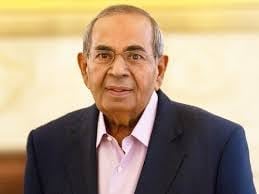
Gopichand Hinduja has passed at the age of 85. Known widely as a global business magnate and often described as “Britain’s richest man,” he was regarded within the Vaishnava community as far more than an accomplished entrepreneur. His enduring relationship with ISKCON (International Society For Krishna Consciousness) in London highlighted a life in which professional stature and spiritual practice were harmoniously integrated.
As noted by Kripamoya Prabhu, each morning before breakfast he visited London’s Radha-Krishna temple to participate in kirtan and darshan. This quiet, consistent sadhana offered a compelling portrait of dedicationan everyday discipline that placed remembrance of the Divine at the center of a full and demanding life.
Such practice exemplifies core dharmic valuesseva, humility, and steadiness of purposethat resonate across Hinduism, Buddhism, Jainism, and Sikhism. The rhythm of kirtan and the grace of darshan, observed daily, reflect a living commitment to bhakti that nurtures inner clarity and community cohesion. In this sense, his legacy speaks to the shared spiritual vocabulary of the dharmic traditions and their unity in spiritual diversity.
Within London’s Hindu diaspora, the Radha-Krishna temple serves as a vital spiritual and cultural anchor. Regular participation in temple lifethrough kirtan, darshan, and associationsustains the heritage of the Hindu community and strengthens bonds of mutual care. His presence there, day after day, underscored how devotional practices can enrich civic life, inspire ethical leadership, and elevate collective well-being.
Beyond public accolades and economic influence, the remembrance that endures is one of devotion expressed through action. Many who witnessed this morning routine recall the quiet dignity of a devotee whose priorities were ordered by dharma. Such testimony anchors a broader understanding of successone measured not only by worldly accomplishment but also by fidelity to spiritual duty.
May this remembrance inspire renewed commitment to daily practice, compassionate service, and unity among dharmic traditions. In honoring Gopichand Hinduja’s spiritual discipline, the community affirms values that transcend sect or status, fostering harmony, resilience, and shared purpose.
Inspired by this post on Dandavats.