R.C. Majumdar’s landmark History of the Freedom Movement in India continues to serve as an essential reference for understanding the many strands of the Indian independence movement, including a measured yet unsparing assessment of Mohandas Gandhi’s legacy. The analysis situates Gandhi’s influence within a broader historiographical debate, encouraging readers to evaluate both transformative achievements and complex consequences with clarity and care.
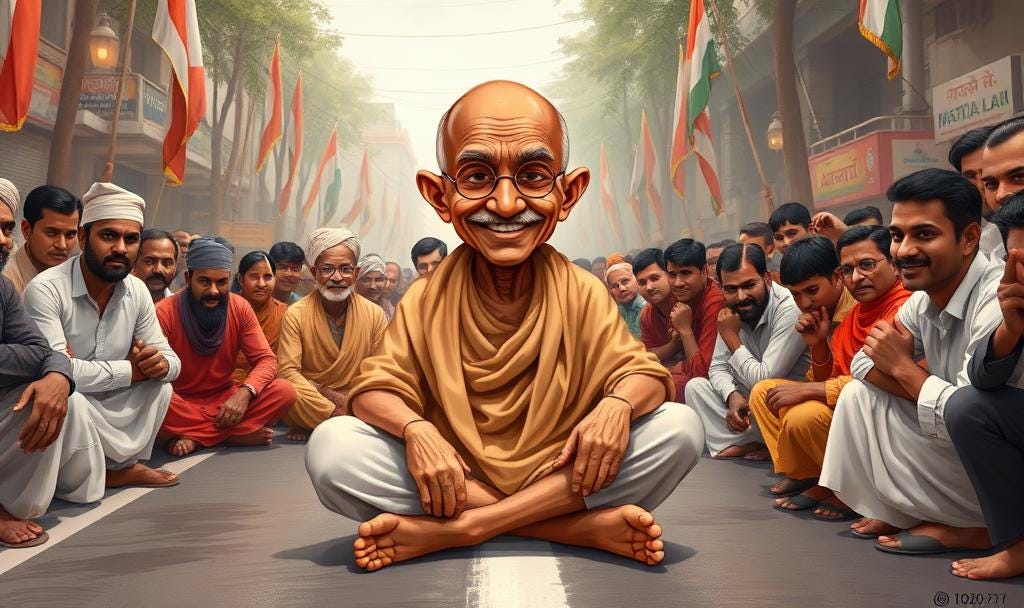
Years before Majumdar’s synthesis, the philosopher-litterateur D.V. Gundappa, in Vruttapatrike (Newspaper), observed a distinct shift in public discourse with Gandhi’s rise to national prominence. He noted that an earlier culture of open debate gave way to a new mass-political ethos that changed how ideas circulated and how consensus was formed. This shift did not erase the plurality of viewpoints; rather, it reconfigured them within a powerful moral framework centered on ahimsa and satyagraha.
Majumdar’s assessment, read alongside Gundappa’s observations, invites a deeper understanding of how leadership, communication, and mass mobilization reshaped India’s public sphere. The perspective recognizes Gandhi’s extraordinary role in awakening moral agency while also examining the tensions that can arise when charismatic authority intersects with institutional deliberation and civil debate.
For many families across dharmic traditions—Hinduism, Buddhism, Jainism, and Sikhism—memories of the freedom era are carried through personal stories, heirlooms, and community narratives. Engaging rigorously with differing historical interpretations strengthens a shared appreciation for values such as ahimsa, satya, karuna, and seva. This approach transforms historical study into a unifying practice that honors plurality while nurturing social cohesion.
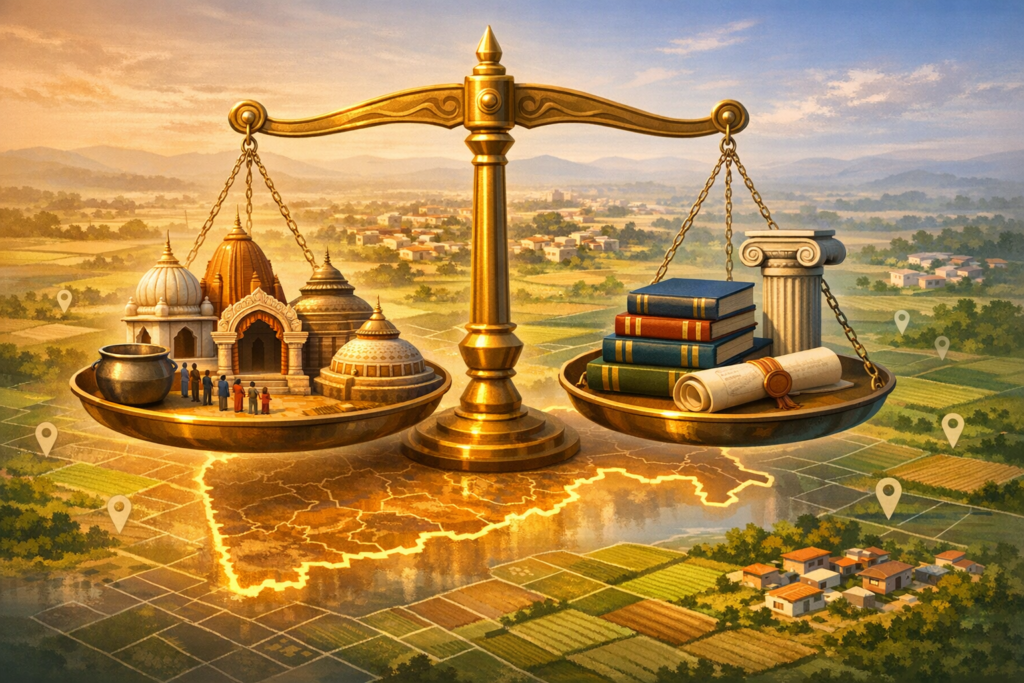
Within this framework, Gandhi’s legacy can be approached through dual lenses: the extraordinary moral force that galvanized a nation and the practical outcomes of strategies like non-cooperation and civil disobedience. Such an inquiry neither sanctifies nor dismisses; it weighs evidence, asks careful questions, and recognizes that major movements often carry both intended and unintended effects on public discourse, institutional culture, and long-term political negotiation.
Sustained, respectful debate—grounded in primary sources and balanced historiography—offers a constructive path forward. Reading Majumdar and Gundappa together exemplifies how Indian historiography thrives when multiple voices are placed in conversation, revealing the complexity of events without fragmenting shared purpose. This method accords with the civilizational ethic of unity in diversity that undergirds dharmic traditions.
Approached in this spirit, critical assessments of Gandhi’s influence become opportunities to deepen mutual understanding across communities, reinforce a culture of evidence-based discussion, and cultivate unity. The result is a historically grounded, ethically informed perspective that strengthens both scholarship and social harmony.
Inspired by this post on Dharma Dispatch.