Tag: Indian independence movement

  • Bahadur Shah Zafar and 1857: Evidence-Driven Reassessment Beyond Heroics and Betrayal

    Bahadur Shah Zafar and 1857: Evidence-Driven Reassessment Beyond Heroics and Betrayal

    Bahadur Shah Zafar’s role in the Revolt of 1857 defies simple labels. Rather than casting him as either a heroic liberator or a betrayer, this analysis situates the last Mughal emperor within the material constraints of siege warfare, fractured command, and colonial-era power asymmetries. It traces the uprising’s structural causes—from annexations and revenue extraction to…

  • Discover R.C. Majumdar’s Unsparing, Evidence-Based Assessment of Gandhi’s Legacy

    Discover R.C. Majumdar’s Unsparing, Evidence-Based Assessment of Gandhi’s Legacy

    R.C. Majumdar’s authoritative study offers an unsparing, evidence-based assessment of Mohandas Gandhi’s legacy within the broader Indian freedom movement. Read alongside D.V. Gundappa’s Vruttapatrike, it illuminates how Gandhi’s rise reshaped public discourse and mass mobilization. The discussion balances admiration for moral leadership with a careful appraisal of practical outcomes and unintended effects. Readers gain a…

  • How the Fanatic Syed Ahmad Barelvi Met his Maker at Balakot

    How the Fanatic Syed Ahmad Barelvi Met his Maker at Balakot

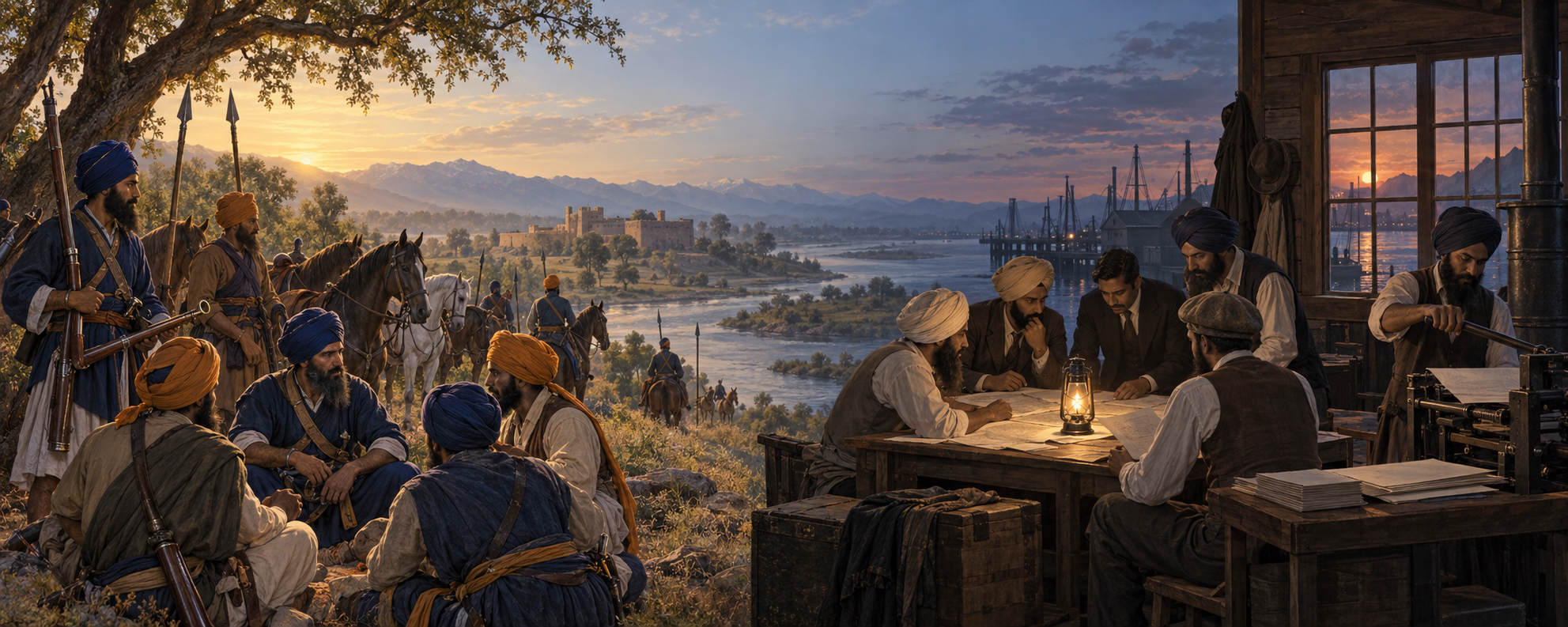
    The blog post discusses the historical narrative of post-Mughal India, highlighting the glorification of figures like Tipu Sultan as freedom fighters against British rule while sidelining others like Siraj-ud-Daulah. It delves into the controversial figures of Shah Waliullah, Abdul Aziz, and Syed Ahmad Barelvi, who are often depicted as “Muslim revivalists” but had a more…