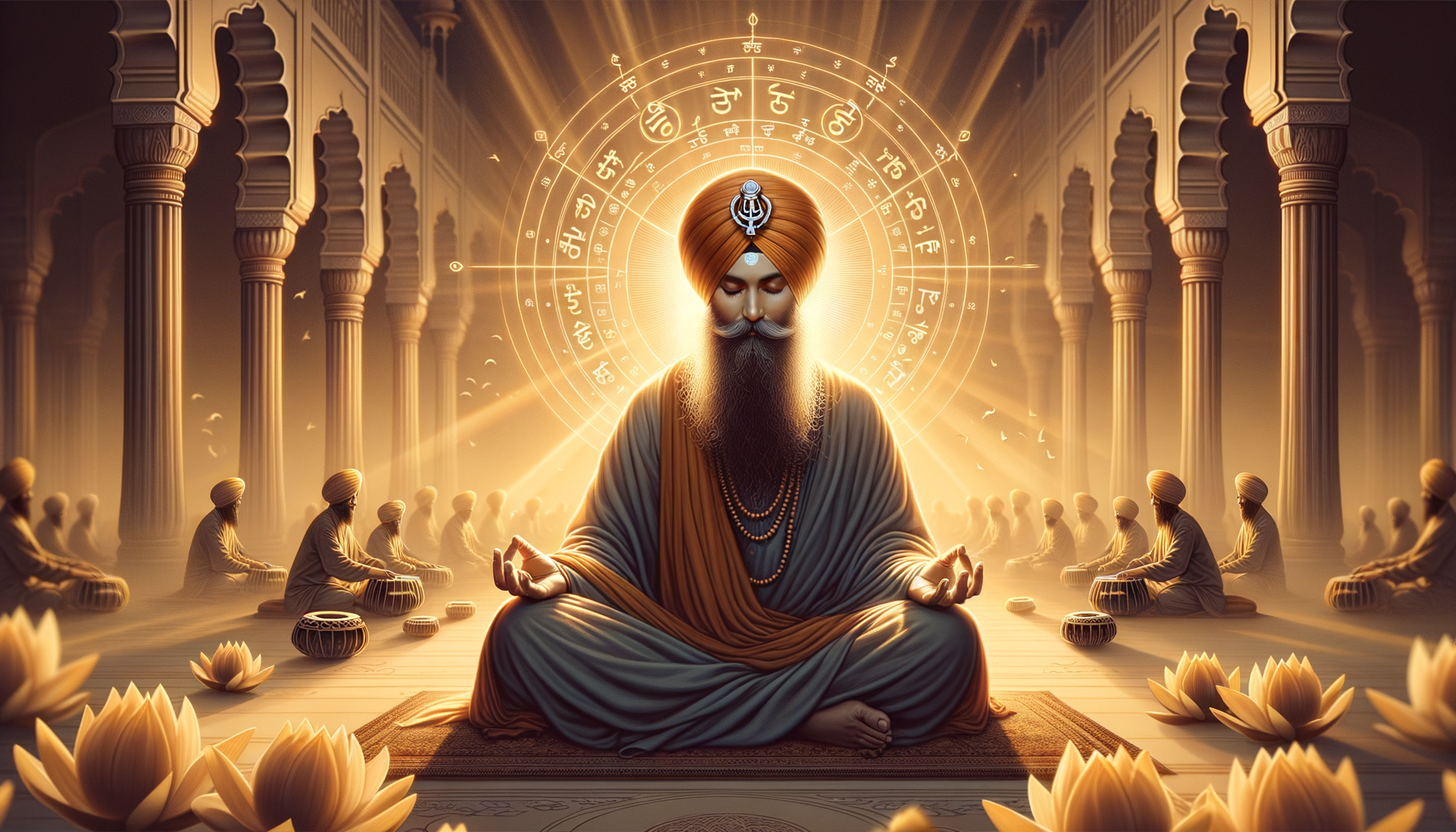
“ਗੁਰੂ ਲਾਧੋ ਰੇ!” evokes a centuries-old call to seek the guiding presence of the True Guru. At its heart rests the idea of ਸੱਚੇ ਗੁਰੂ ਦਾ ਪ੍ਰਕਾਸ਼an inner illumination that steadies the mind, clarifies ethics, and nurtures compassion. Within Sikh tradition, this luminous guidance is inseparable from the life and teachings of Guru Teg Bahadur, whose courageous stand for freedom of conscience exemplifies what it means to anchor life in truth.
In devotional settings, the refrain “Guru Ladho Re” often resonates with a gentle urgency. Listeners describe a shared stillness when the kirtan swells, as if a doorway opens between everyday routine and a deeper moral clarity. Such moments reveal why the search for a True Guru remains enduring: it promises discernment amid confusion, resilience amid hardship, and a sense of belonging that transcends identity markers.
Historically, Guru Teg Bahadur’s example offers a rigorous, academic lens on spiritual leadershipembodying principled courage, commitment to justice, and unwavering respect for diverse paths. This legacy affirms a core dharmic insight: unity is strengthened, not weakened, by plurality. The call “ਗੁਰੂ ਲਾਧੋ ਰੇ!” therefore harmonizes with shared values across Hinduism, Buddhism, Jainism, and Sikhism, inviting seekers to honor truth, non-violence, and the dignity of every conscience.
In lived practice, seekers often note that the light of ਸੱਚੇ ਗੁਰੂ ਦਾ ਪ੍ਰਕਾਸ਼ becomes most tangible in ordinary actsspeaking truth gently, serving without display, and listening with humility. These habits transform devotion from a private sentiment into public ethics. They also mirror the Sikh emphasis on integrating spirituality with daily responsibility, aligning inner conviction with outer conduct.
Today, the phrase carries contemporary relevance. Social complexity and rapid change can fragment attention and erode trust. The remembrance of Guru Teg Bahadur’s life re-centers that attention, guiding communities toward truthful speech, fair dealing, and steadfast protection of religious freedom. Such virtues foster social harmony and deepen interfaith respect, demonstrating how spiritual insight can stabilize public life.
Ultimately, “ਗੁਰੂ ਲਾਧੋ ਰੇ!” is not a slogan but a disciplined orientation. It directs seekers beyond rhetoric to ethical action; beyond sectarian rivalry to a shared dharmic horizon; beyond mere inspiration to steady transformation. In this light, ਸੱਚੇ ਗੁਰੂ ਦਾ ਪ੍ਰਕਾਸ਼ becomes a living inheritanceone that strengthens the unity-in-diversity at the heart of South Asia’s spiritual traditions.
Inspired by this post on SikhNet – Children Stories.