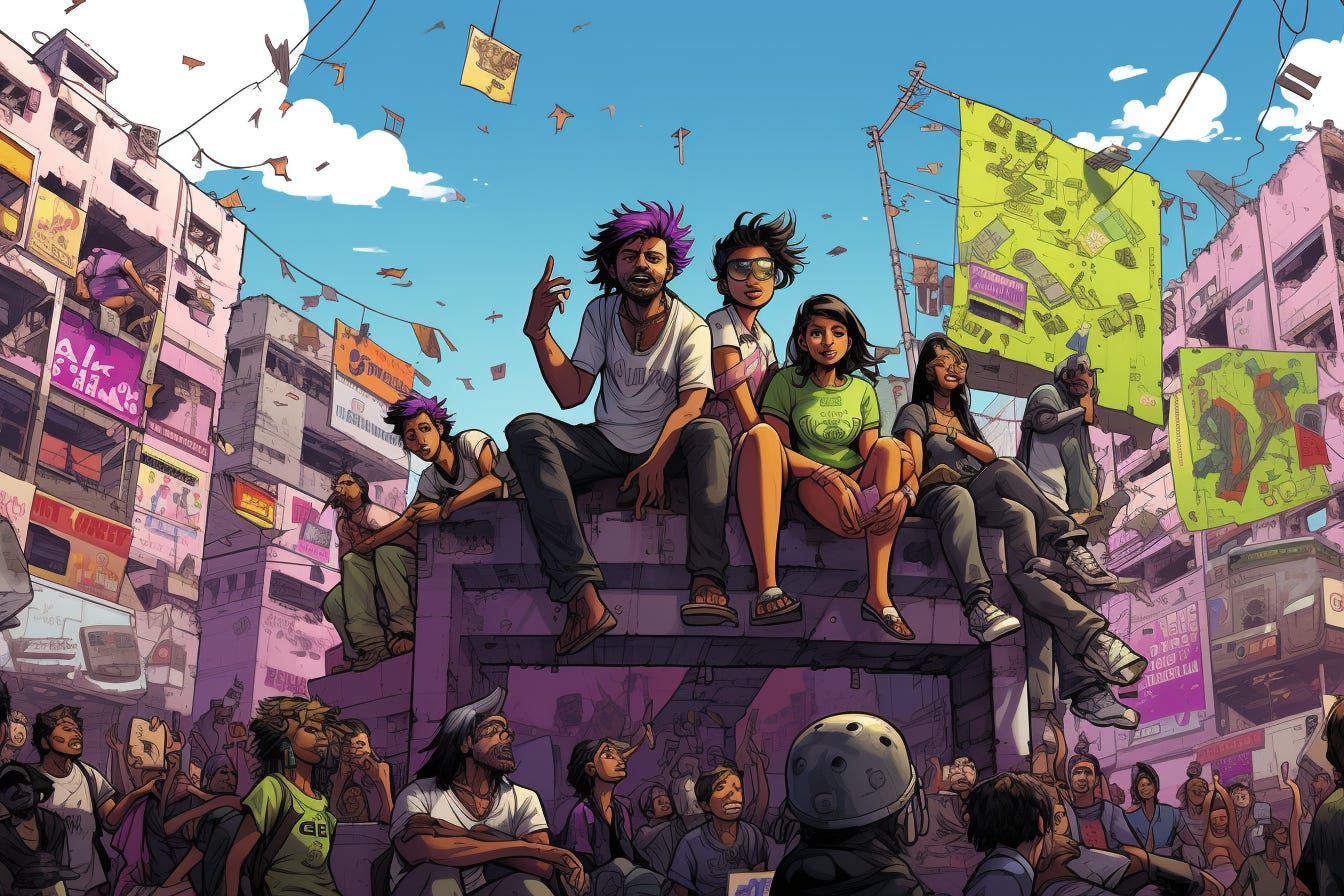
Early socialization into prevailing ideologies begins long before adulthood, often through formal schooling and media exposure. In the Indian education system, choices made by parents during early childhoodsuch as school selection, teacher engagement, and home learningsignificantly shape a child’s understanding of heritage, ethics, and identity. An academic look at this trajectory shows why deliberate, values-based parenting is crucial for families seeking to preserve Dharmic traditions while preparing children to thrive in a rapidly changing world.
In the primary years, children encounter narratives about history, culture, and society through textbooks, assignments, and classroom conversations. When these materials overlook or oversimplify India’s civilizational depth, children can internalize distorted impressions of their own ancestors and practices. If questioning is discouraged, even mildly, the result may be public embarrassment or quiet conformity. Constructive stepssuch as discussing lessons at home, providing supplementary readings, and respectfully engaging teachershelp restore balance, strengthen critical thinking, and protect a child’s confidence.
With adolescence, content intensity and social pressures typically increase. Students may experience an expanding emphasis on ideological framing in the humanities as well as in social media spaces. Labels such as “woke” become shorthand for debates about justice, identity, and tradition, sometimes fostering polarization rather than dialogue. A disciplined approachteaching children to distinguish evidence from opinion, to read primary sources, and to compare multiple perspectivesencourages intellectual integrity and reduces susceptibility to fad-driven narratives.
At the senior secondary stage, stream selection (science, commerce, or humanities) should not be approached as a hierarchy of worth but as a pathway to purposeful contribution. Both science and humanities can be aligned with Dharmic values when guided by competence, ethics, and service. Parents can help by connecting coursework to India’s knowledge systemsmathematics, astronomy, linguistics, aesthetics, philosophyand by encouraging projects that link academic theory with real-world impact and community well-being.
University years often magnify identity and ideology debates. Some students become deeply alienated from family histories or spiritual roots, while others adopt a narrow, adversarial posture toward tradition. Observable patterns include constant online outrage cycles, performative activism that substitutes for scholarship, and neglect of core skills. A balanced countermeasure blends academic rigor with inner cultivation: mentorships, guided reading groups on Indian intellectual traditions, internships, community seva, and reflective practices such as Yoga, meditation, and mindfulness.
Digital environments add a further layer. Social media platforms reward sensationalism, encourage imagined grievance, and compress complex issues into hashtags, which can erode nuance and patience. Families benefit from establishing digital hygiene: time boundaries, curated follows, scheduled “media sabbaths,” and shared discussions that unpack claims using verifiable sources. Teaching adolescents how algorithms shape attention helps them reclaim focus and resist reactive consumption.

Another area requiring care is age-appropriate life education. When external programs introduce sensitive material prematurely or without cultural context, confusion and anxiety can follow. Evidence-based, developmentally appropriate conversationsanchored in dignity, consent, health, and responsibilityensure that children receive accurate information without sensationalism. Framing these topics within the Dharmic emphasis on self-mastery (samyama), non-harm (ahimsa), and respect supports healthy boundaries and mutual respect.
Foundational learning outcomes remain non-negotiable. Across several systems worldwide, concerns have been raised about declining proficiency in reading comprehension, numeracy, handwriting or presentation skills, and historical awareness. Parents can reinforce fundamentals by encouraging daily reading in the mother tongue and English, improving basic arithmetic fluency, and nurturing cultural literacy through biographies, epics, and primary sources. Regular exposure to libraries, archives, and museums complements classroom learning and builds intellectual self-reliance.
Practical, values-aligned routines provide the strongest long-term protection. Families may consider daily home practices such as shared meals, recitation or reflection, and simple rituals that build continuity. Weekend projects can include language study (e.g., Samskritam, Pali, Prakrit, Gurmukhi), temple and heritage visits, classical arts, and nature-based learning. Forming peer circles oriented toward scholarship and seva gives adolescents positive community. When combined with transparent parent–teacher partnerships, these habits cultivate resilience against ideological swings while deepening belonging.
A unifying frame across Hinduism, Buddhism, Jainism, and Sikhism emphasizes inner discipline, compassion, truth-seeking, and pluralism. Reinforcing these shared Dharmic principles at home helps children engage diverse viewpoints with civility and courage. Rather than treating contemporary ideological trends as battles to be won, families can model inquiry, humility, and responsibilitypreparing the next generation to preserve civilizational continuity while contributing wisely to a modern, inclusive society.
Inspired by this post on Dharma Dispatch.