Across India’s vast oral tradition, Kerala preserves a striking Ramayana variant in which Surpanakha is portrayed as killing her husbanda folktale that reframes a well-known character through a local moral lens. This Kerala folktale, nested within the living ecology of Hindu folklore, underscores how regional narratives expand the emotional and ethical range of the Indian epics while sustaining cultural diversity and shared values across Dharmic traditions.
Surpanakhaliterally “having nails like winnowing fans”is introduced in the broader Ramayana corpus as a powerful rakshasa princess. She belongs to the revered lineage of Pulastya, one of the Sapta Rishis, and is the daughter of Sage Vishrava and sister to Ravana, the ten-headed king of Lanka. This lineage grounds the figure in a sacred genealogy, even as regional storytelling grants her distinctive motivations, agency, and consequences.
In some Kerala oral tellings, Surpanakha’s marital life becomes the crucible of the narrative. A husbandnamed Vidyutjihva in certain traditionsis drawn into a conflict marked by jealousy, humiliation, or political rivalry. Unlike mainstream strands where culpability often shifts to Ravana, these Kerala variants imply that Surpanakha herself directly causes or orchestrates her husband’s death. The folktale’s force lies not in historical finality but in its ethical provocation: as a cultural mirror, it asks how power, desire, and wounded pride can spiral into transgression.
Read through an aesthetic and ethical lens, the narrative works with raudra rasa (the rasa of fury) and explores the consequences of krodha (anger) within the dharma–adharma dialectic. By casting Surpanakha’s act as a moral rupture, Kerala’s version invites contemplation on responsibility, repentance, and the social costs of unrestrained passion. For many listeners, the tale evokes empathy for a complex figure while cautioning against the tragic momentum of unprocessed humiliation.
Comparatively, the Valmiki Ramayana and other major retellings tend to position Surpanakha’s story around the Panchavati episode and its aftermath. The Kerala folktale does not replace these accounts; rather, it exemplifies the Ramayana’s plural narrative field, in which female agency is accentuated, motives are reinterpreted, and ethical weight is redistributed. Such regional variants illuminate how Indian epics remain dialogic, inviting layered readings without collapsing into a single authoritative version.
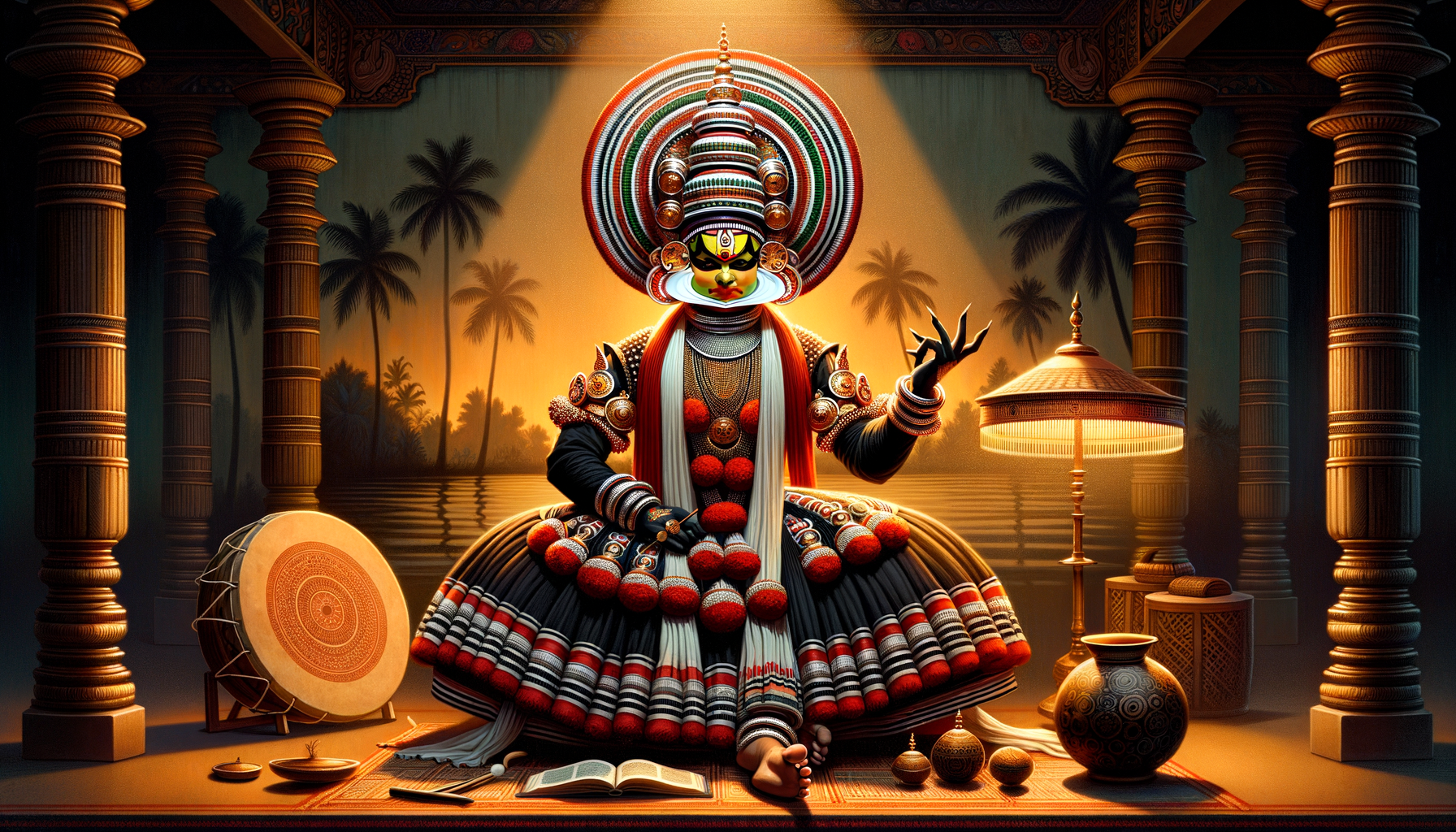
Kerala’s cultural context helps explain this narrative elasticity. Performance traditionsKathakali and Ottamthullal among themhave long adapted Ramayana episodes, translating epic psychology into embodied gesture and musical rhythm. Within this performative milieu, localized subplots and character arcs surface naturally, sustaining an oral tradition where Ramayana, Hindu folklore, and community ethics converse in living time.
For contemporary audiences, the folktale resonates as a study in emotional governance. Many may recognize how shame or betrayal, left unattended, can harden into violence; the story’s enduring value is its quiet counsel toward self-mastery, compassion, and accountability. Seen alongside Jain anekantavada (many-sided truth), Buddhist upaya (skillful means), Sikh commitments to compassion and seva, and Hindu accommodations of narrative plurality, this Kerala telling reinforces a shared Dharmic insight: diverse paths can converge on ethical clarity and communal harmony.
Ultimately, the Surpanakha folktale from Kerala enriches the Ramayana landscape by honoring regional memory while reaffirming a unifying moral horizon. It invites readers to value narrative plurality as strength, to approach difference with humility, and to recognize that across Hinduism, Buddhism, Jainism, and Sikhism, stories function as ethical laboratoriesguiding communities toward restraint, empathy, and the steady practice of dharma.
Inspired by this post on Hindu Blog.