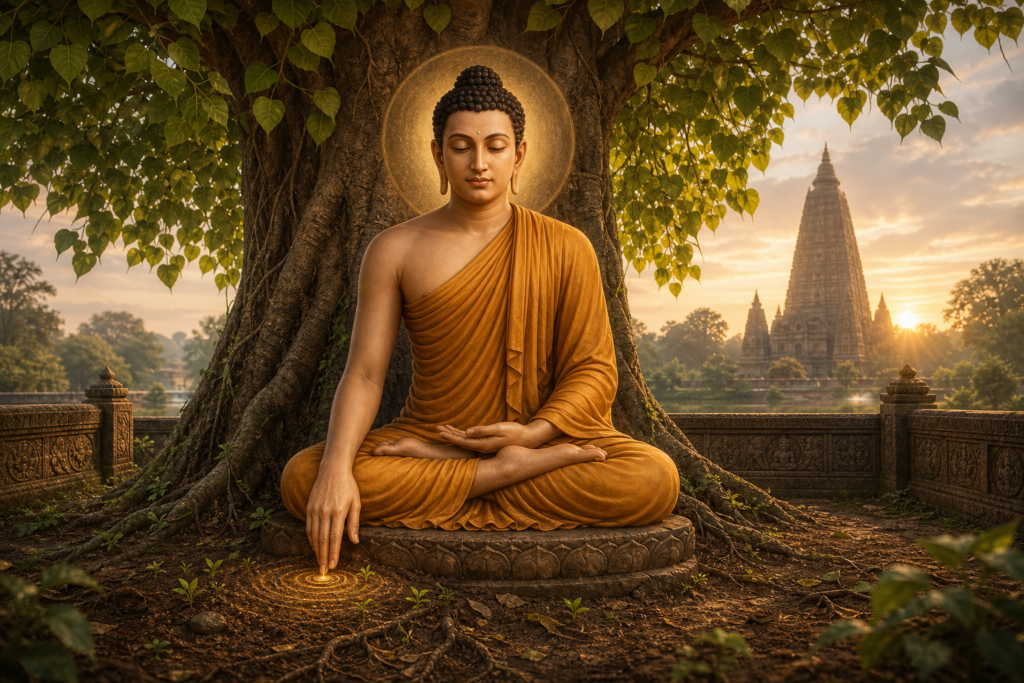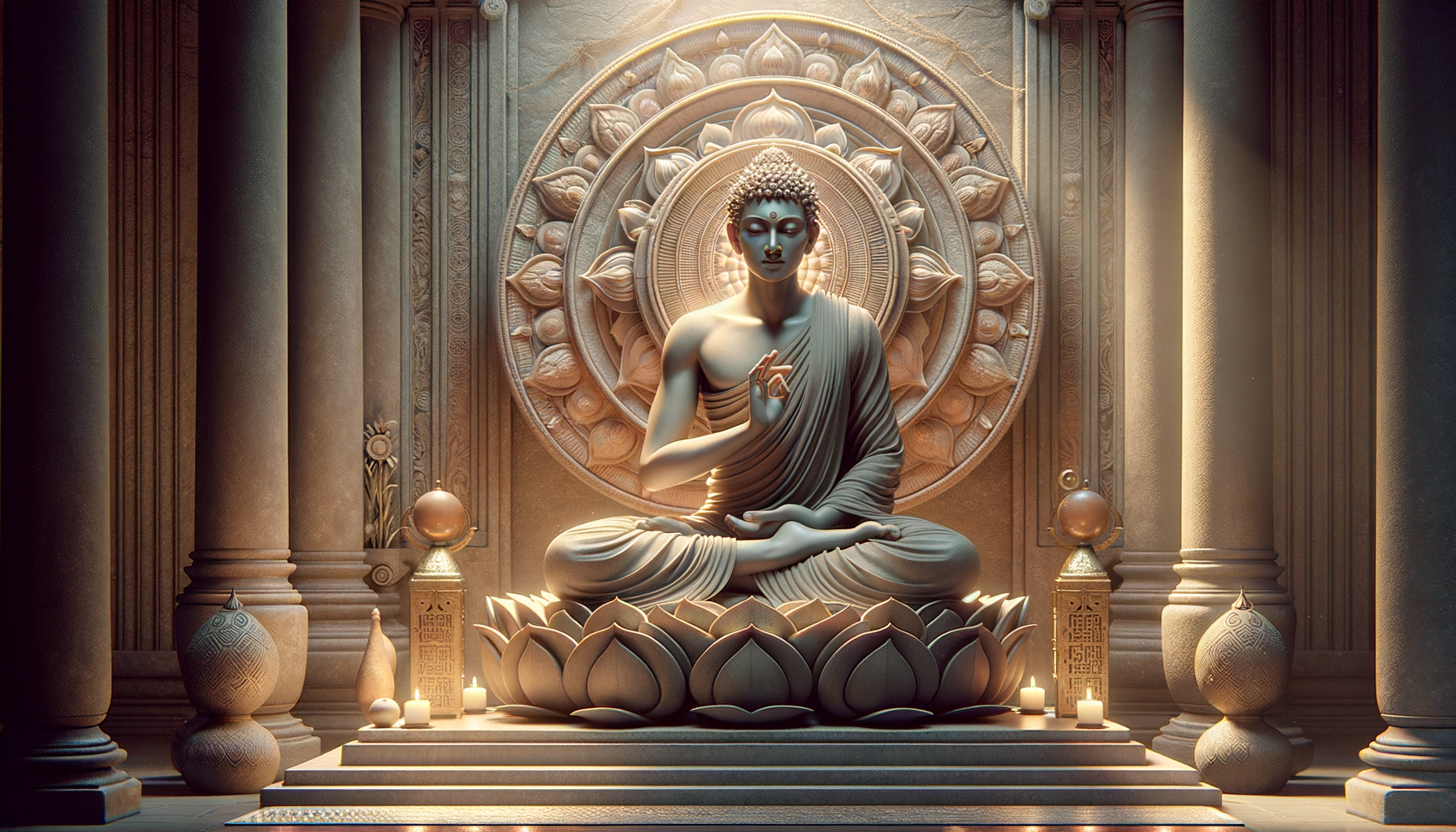
Ardhaparyanka, literally translating to “half-seated,” denotes a semi-seated, semi-reclined posture prominent in the tantric and classical iconography of Hinduism and Buddhism. As a visual language, it presents the deity in poised reposecalm yet alertintegrating the stillness of meditation with the potential energy of action. This balanced stance allows iconography to communicate nuanced theological ideas through the body’s geometry and alignment.
Symbolically, the Ardhaparyanka posture blends approachability with authority. The relaxed leg and gentle torso convey compassion and accessibility, while the supported, upright alignment suggests vigilance, readiness, and self-mastery. In this way, the posture becomes a statement of divine intimacy without diminishing sovereigntya visual assurance that benevolence and power co-exist in equilibrium.
Across dharmic traditions, this aesthetic of balance resonates deeply. While most visible in Hindu and Buddhist art, its core messagean integration of contemplation and engagementharmonizes with the broader dharmic ethos also honored in Jain and Sikh spiritual cultures. Such shared symbolism supports unity among these traditions by emphasizing common values of mindfulness, compassionate service, and disciplined awareness.
In temple and shrine settings, Ardhaparyanka often functions as a threshold gesture that invites darshan. The form guides the gaze from the grounded seat to the lifted torso and composed head, creating an intentional visual ascent. Within tantric visual grammar, this “half-seated” arrangement signals dynamic energy under conscious control, a state where inner stillness steadies outward responsiveness.
Devotees frequently describe a felt sense of calm confidence when encountering deities depicted in Ardhaparyanka. The posture’s openness can evoke emotional closeness, while its structure communicates psychological steadiness. In both temple halls and museum galleries, viewers often experience a quiet, meditative spaciousness, as though the image itself models balanced breath, attentive presence, and gentle strength.
From the perspective of yogic psychology, Ardhaparyanka mirrors a refined mental attitude: inwardly collected (as in pratyahara and dharana) yet outwardly ready to respond with clarity. Unlike full shayana (complete recline) or padmasana (formal seated meditation), this half-seated form bridges repose and engagement. It embodies the insight that authentic meditation supports purposeful action rather than withdrawal, aligning with practices of meditation and mindful living across the dharmic spectrum.
Comparatively, the posture speaks to a “middle path” of aesthetics and ethics. It avoids the extremes of rigidity and languor, presenting instead a composure that is both humane and sovereign. For iconographers and historians, it becomes a key to interpreting narrative contexts: the deity is approachable yet alert, serene yet capablean ideal for ethical leadership and compassionate service.
In contemporary relevance, Ardhaparyanka offers a living template for balance. For spiritual practitioners, it models how inner equanimity sustains courageous action. For communities, it affirms a shared dharmic heritage that honors unity in diversity. For students of Hindu Art and Culture and Buddhist visual traditions, it provides a clear interpretive framework to read symbolism with accuracy and depth.
Ultimately, Ardhaparyanka is more than a pose; it is a philosophy rendered in form. By uniting meditation and dynamism, it communicates a timeless lesson: serenity and strength are not opposites but partners. This insightrooted in Hindu and Buddhist iconography and resonant across dharmic traditionscontinues to inspire seekers, scholars, and devotees toward harmony, understanding, and shared spiritual uplift.
Inspired by this post on Hindu Blog.