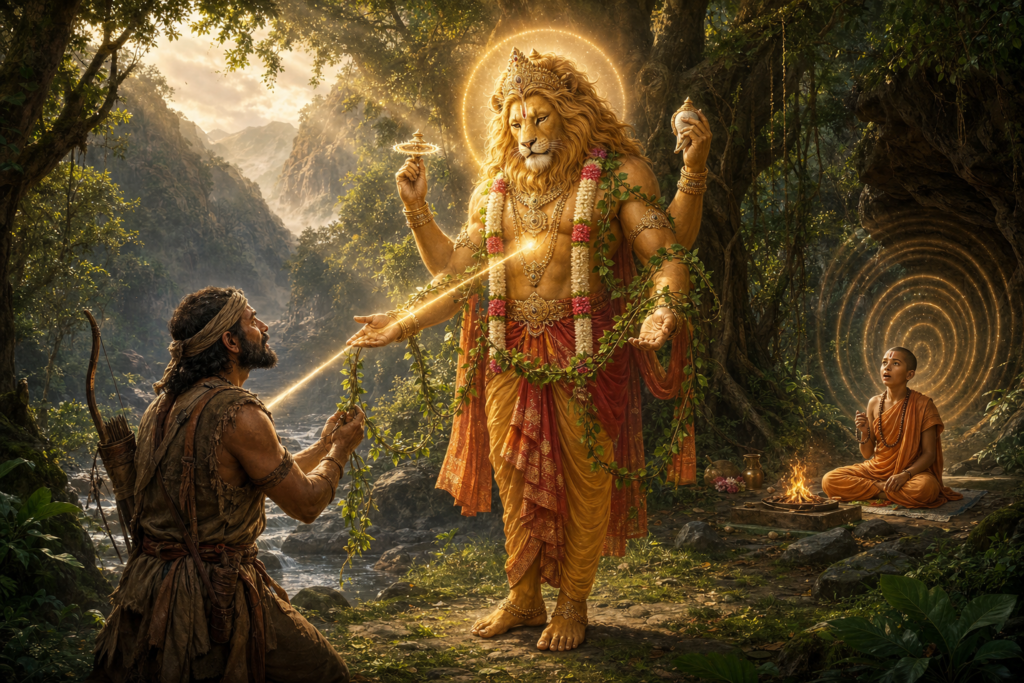
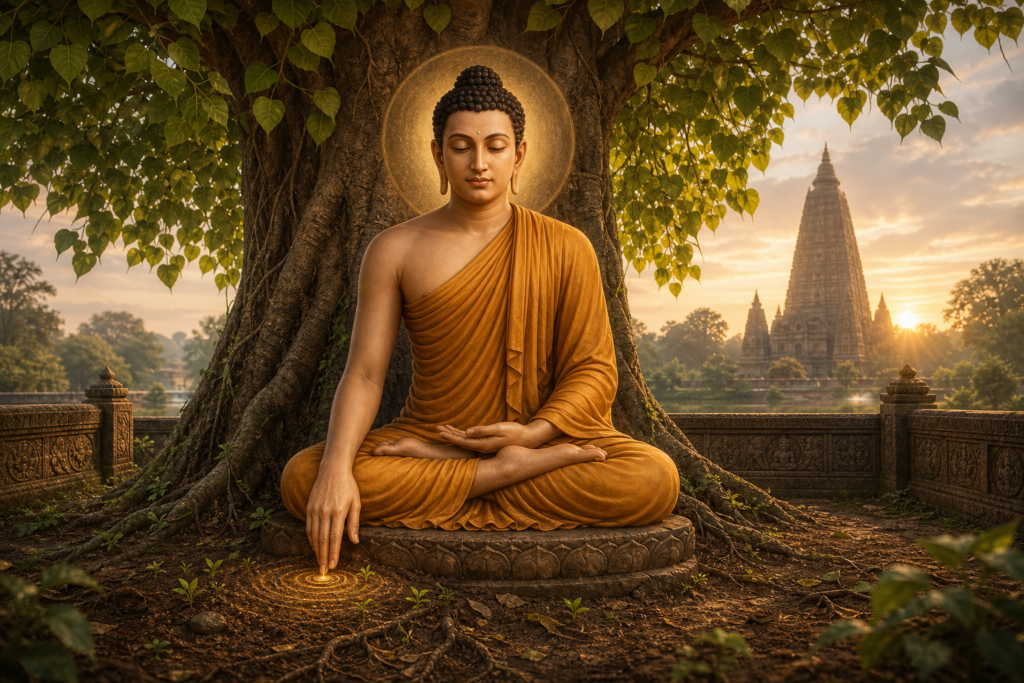
Thai Amavasya (Thai Amavasai) is the no-moon day in the Tamil month of Thai and, in 2026, falls on January 18. Recognized within the Hindu calendar as the first Amavasya of Utharayanam (the sun’s northward journey), this date carries heightened auspiciousness for remembrance and offerings to ancestors.
As Utharayanam begins soon after Makara Sankranti and Pongal, the transition into Thai is culturally and spiritually significant across Tamil Nadu and the broader Tamil diaspora. Within this seasonal turning, Thai Amavasya is approached with solemnity and gratitude, aligning cosmic movement with personal intention. Many observe it as a time to reset family rhythms after harvest festivities, integrating devotion with everyday life.
The central observance on Thai Amavasya is Tharpanam (Pitru Tarpanam)offerings made with devotion to departed ancestors. Households often practice simple austerities, maintain cleanliness in the home, and perform prayers with water and sesame, while some visit sacred waterbodies or temples. Customs vary by region and family tradition; therefore, consulting a reliable Panchang for local Tithi timings is recommended to ensure accuracy.
Beyond rite and ritual, Thai Amavasya nurtures a shared dharmic ethos of remembrance, gratitude, and service. Respect for elders and the honoring of lineage resonate across Hinduism, Buddhism, Jainism, and Sikhism as ethical commitments to seva, dana, and collective well-being. Observing the day with a spirit of unity strengthens bonds within families and across communities.
Many families integrate reflective practices: setting a calm intention at dawn, offering prayers for the welfare of all beings, and supporting community kitchens or local charities. These actions harmonize tradition with contemporary life, allowing observances to be both meaningful and accessible. Maintaining simplicity, ecological sensitivity in offerings, and kindness in speech and conduct are widely appreciated approaches.
For planners and travelers, January 18, 2026 is the civil date to note, with local observance refined by sunrise, sunset, and Tithi transitions. In some regions of India, the same date also aligns with the new moon of the Magh Month, illustrating how regional calendars and nomenclature vary while the spiritual core remains consistent. Such diversity exemplifies unity in spiritual plurality across dharmic traditions.
Approached with mindfulness, Thai Amavasya becomes an invitation to reconcile past and presenthonoring those who came before, seeking their blessings, and dedicating the merits of the day to collective harmony. In the quiet of the new moon and the promise of Utharayanam, devotees find steadiness, gratitude, and renewed purpose.
Inspired by this post on Hindu Pad.